A Field Guide to the 4 Side Seal Bag: What Buyers Should Really Know
Four-side sealing has quietly become the no-drama hero of flexible packaging. To be honest, the format isn’t flashy—but it’s efficient, flat, stackable, and tough. From snack startups to pharma lines, many customers say they pick the 4 Side Seal Bag because it simply closes the loop on protection and presentation.
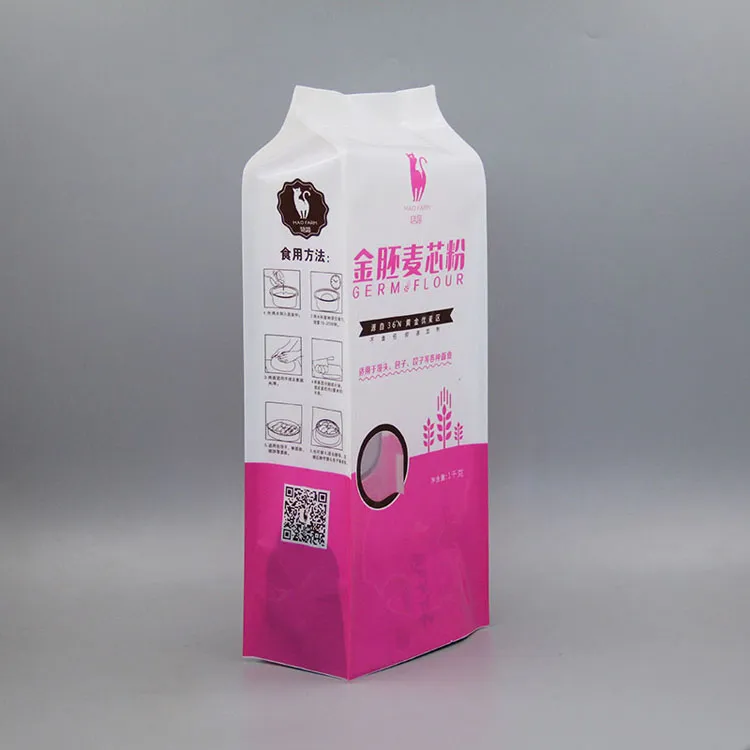
Why this format is trending
In fact, the shift is structural: e-commerce distribution punishes weak seams; retailers love uniform facings; regulators want cleaner materials and better traceability. The 4 Side Seal Bag answers with rigid edges, high print real estate, and barrier options that hold up in long supply chains. Origin matters too—this line is produced in Xiongxian Economic Development Zone (East Zone), Xiongan New Area, Hebei Province, China, where converting capacity and QC discipline are… surprisingly robust.
Typical specifications
| Parameter |
Spec (≈, real-world use may vary) |
| Structures |
PET/PE, PET/AL/PE, PET/NY/PE, MDO-PE mono options |
| Total Thickness |
70–150 μm ≈ |
| OTR (ASTM D3985) |
|
| WVTR (ASTM F1249) |
|
| Seal Strength (ASTM F88) |
≥4.5 N/15 mm typical |
| Operating Temp |
-20°C to 85°C around |
| Print |
Gravure up to 10 colors; matte/spot varnish |
| Compliance |
FDA 21 CFR; EU 10/2011; GB 4806; ISO 9001 |
Where it’s used
Food (snacks, spices, instant sauces), coffee and tea sachets, nutraceuticals, medical devices (sterile pouches per ISO 11607-1), pet treats, powders and desiccants, cosmetics and travel refills. The 4 Side Seal Bag keeps moisture and dust out, which, I guess, is half the battle for shelf life.
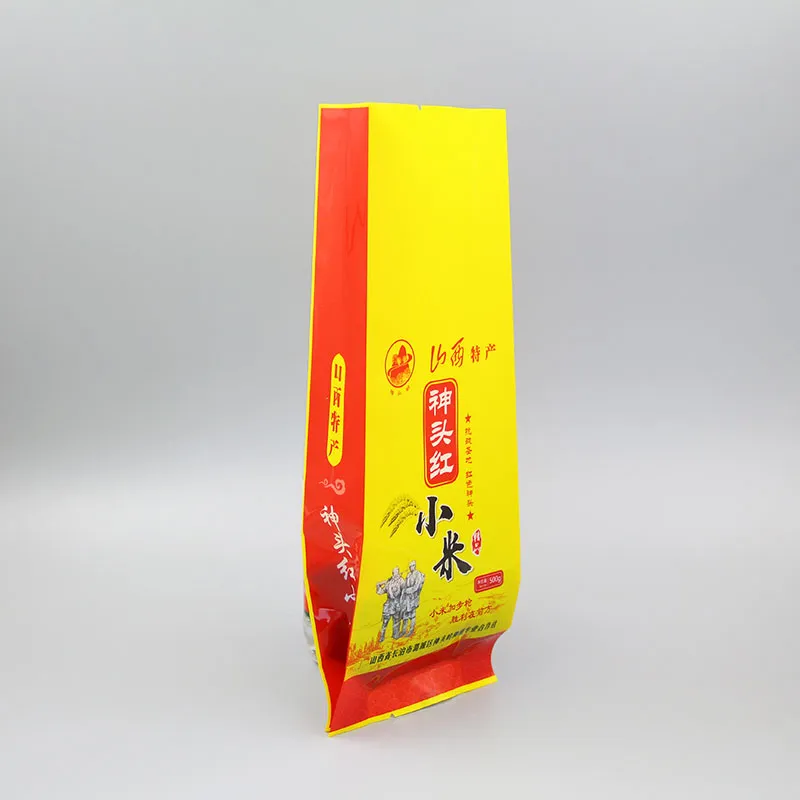
Process flow (how it’s actually made)
- Materials: film selection (PET, NY, AL foil, PE; or MDO-PE mono for recyclability).
- Lamination: solventless or low-solvent adhesive; cure 24–48 h.
- Printing: high-line gravure; color proofing and delta-E checks.
- Slitting: web tension control to avoid curl.
- 4-side sealing: precision heat bars form flat, squared edges; optional tear notch/Euro hole/zip.
- Inspection: inline vision for registration; sample tensile and seal-strength pulls.
- Packaging: carton + pallet with humidity control.
Testing standards used: ASTM F88 (seals), ASTM F1249 (WVTR), ASTM D3985 (OTR), migration per EU 10/2011 and FDA 21 CFR, and, when relevant, ISO 11607-1 for sterile barrier systems.
Advantages we keep hearing about
- Flat profile ships dense; fewer transit dents than 3-side pouches.
- High-barrier options stretch service life to ≈12–24 months (product dependent).
- Clean, premium panels for branding; easy batch coding.
- Consistent tear and opening—less consumer frustration.
Vendor landscape (quick comparison)
| Vendor |
Barrier (WVTR ≈) |
Lead Time |
MOQ |
Certifications |
Print Quality |
| Junlan Pack (Xiongan) |
| 12–20 days around |
≈10,000 pcs |
ISO 9001, FDA, EU |
High (up to 10 colors) |
| Generic A |
1–3 g/m²·day |
3–5 weeks |
20,000–30,000 |
ISO only |
Medium |
| Generic B |
2–5 g/m²·day |
4–6 weeks |
≥30,000 |
Limited |
Basic |
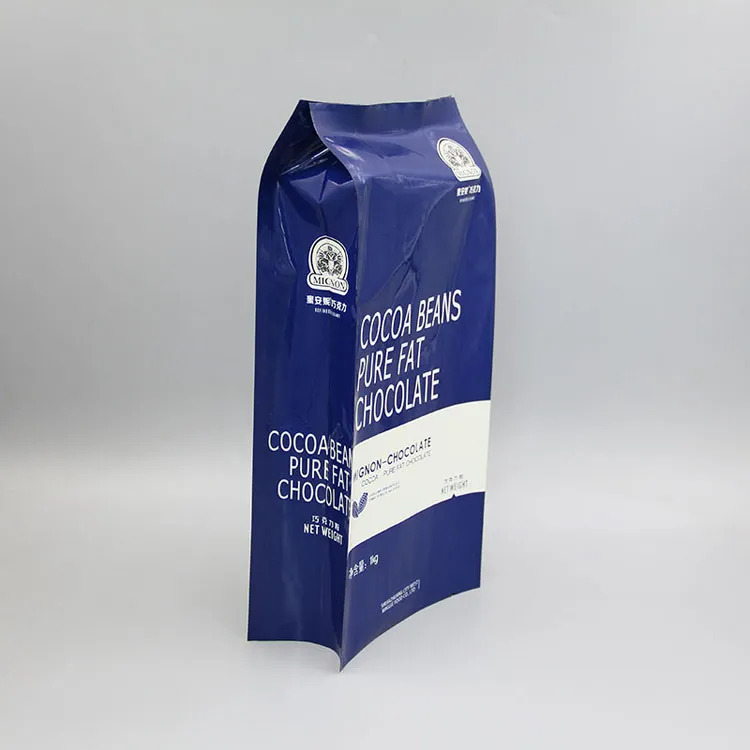
Customization and real-world notes
Options include laser scoring, zipper, hang hole, degassing valve (coffee), antimicrobial inks, recyclable mono-PE builds. One snack brand reported returns dropping by ~18% after switching to the 4 Side Seal Bag with improved seal integrity; a pharma kit maker achieved ISO 11607-1 validation on the first pass—rare, but it happened.
Final checks before you buy
- Request OTR/WVTR certificates and F88 seal pull data.
- Confirm food-contact declarations (FDA/EU/GB) and lot traceability.
- Ask for transport simulation or at least drop/compression data.
Citations:
[1] ASTM F88/F88M – Seal Strength of Flexible Barrier Materials
[2] ASTM F1249 – Water Vapor Transmission Rate (WVTR)
[3] ASTM D3985 – Oxygen Transmission Rate (OTR)
[4] ISO 11607-1 – Packaging for Terminally Sterilized Medical Devices
[5] FDA 21 CFR 177 – Indirect Food Additives, Polymers
[6] EU Regulation No 10/2011 – Plastic Materials Intended to Contact Food
[7] GB 4806 & GB 9685 – China Food-Contact Materials and Additives

