The Insider’s Guide to Bulk Stand-Up Pouches
If you’ve priced rigid packaging lately, you already know why brands are pivoting to bulk stand up pouches. The math (and the logistics) do add up. I’ve toured a few factories this year—including one in Xiongxian Economic Development Zone (East Zone), Xiongan New Area, Hebei, China—and the story is the same: lighter formats, smarter barriers, faster changeovers.
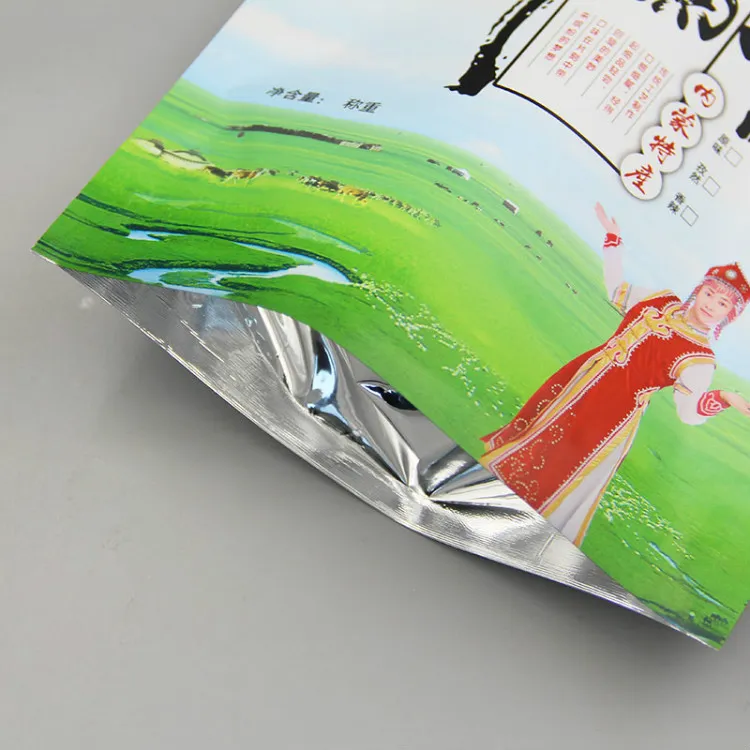
What’s Trending (and why it matters)
- Shift from rigid to flexible, driven by freight savings and shelf impact.
- Monomaterial PE structures for easier recycling—real-world use may vary by region.
- High-barrier laminates for coffee, pet treats, and functional powders.
- Short runs with digital/rotogravure hybrids; variable data for lot coding and promos.
Junlan’s Standing Packaging Bag (their term for bulk stand up pouches) leans into all of this: clean print, reliable zips, and those punchy gussets that, honestly, still make merchandisers smile.
Quick Specs (typical configurations)
| Parameter |
Spec (≈ range) |
Notes |
| Materials |
PET/PE, PET/AL/PE, PET/NY/PE, MOPP/CPP |
Monomaterial PE available for recyclability |
| Thickness |
90–180 μm |
Higher for heavy pet food or sharp granules |
| OTR/WVTR |
OTR ≤ 0.5; WVTR ≤ 0.1 (foil); OTR ≤ 5; WVTR ≤ 2 (high-barrier PE) |
ASTM D3985 / F1249 test methods |
| Zippers/Features |
Press-to-close, velcro-style, child-resist, degassing valve |
Rounded corners, tear notches, hang holes |
| Print |
Rotogravure up to 10 colors |
Matte/gloss hybrids; metallic & spot varnish |
How they’re made (short version)
Materials → solventless lamination → curing → slitting → pouch forming (doyen/k-seal/3-side) → zipper/valve application → QC → packing.
Testing: tensile (ASTM D882), seal strength (ASTM F88), burst and drop/transport (ISTA 3A), OTR (ASTM D3985), WVTR (ASTM F1249). Food-contact compliance typically follows FDA 21 CFR parts for polymers; plants often carry ISO 22000 or BRCGS Packaging certification. Service life: around 12–24 months, depending on barrier and fill product.
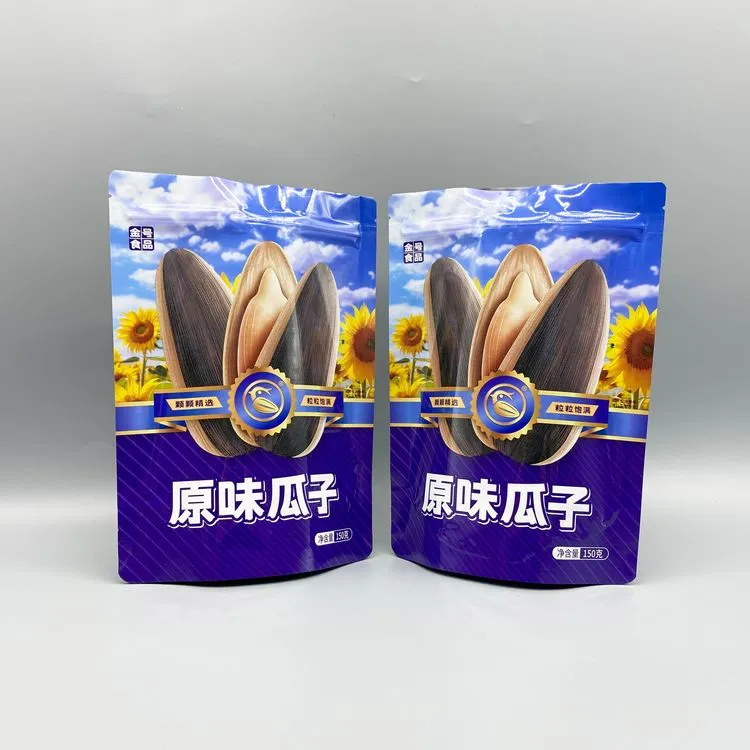
Where they shine
- Coffee and tea (valve + foil or high-barrier film)
- Snacks, nuts, confections (oil and aroma barriers)
- Pet treats and kibbles (stability + zip reuse)
- Nutraceutical powders and supplements
- DIY, garden, and refills—powders, granules, even small hardware
Advantages: weight reduction (often 70–90% vs. rigid), fewer breakages, premium billboard for graphics, and that easy-open, easy-reseal consumer experience. Many customers say their repeat rates ticked up after switching to bulk stand up pouches—not scientific, but I’ve heard it a lot.
Vendor snapshot (my notes)
| Vendor |
MOQ |
Lead Time |
Certs |
Strengths |
| Junlan Pack (Xiongan, Hebei) |
≈10–20k |
15–25 days |
ISO 22000/BRCGS (typical) |
Solid lamination control; coffee/pet niches |
| Regional Converter |
≈5–10k |
10–20 days |
GFSI-based |
Fast reorders; local warehousing |
| Trading Aggregator |
≈30k+ |
25–40 days |
Varies |
Price leverage; mixed factory network |
Customization and real-world results
Options: structures (including recyclable PE), matte windows, tactile varnish, laser scoring, spouts, child-resistant zips, nitrogen flush compatibility, and pallet-optimized case packs. Print proofs are worth the extra day—color drift can happen, to be honest.
- Case A (coffee): switched to bulk stand up pouches with one-way valve; OTR verified ≤0.5 cc/m²·day; shelf life extended from ≈6 to ≈12 months.
- Case B (pet treats): went from pillow packs to gusseted; reseal rate improved; damages in transit dropped ≈30% per ISTA-style audits.
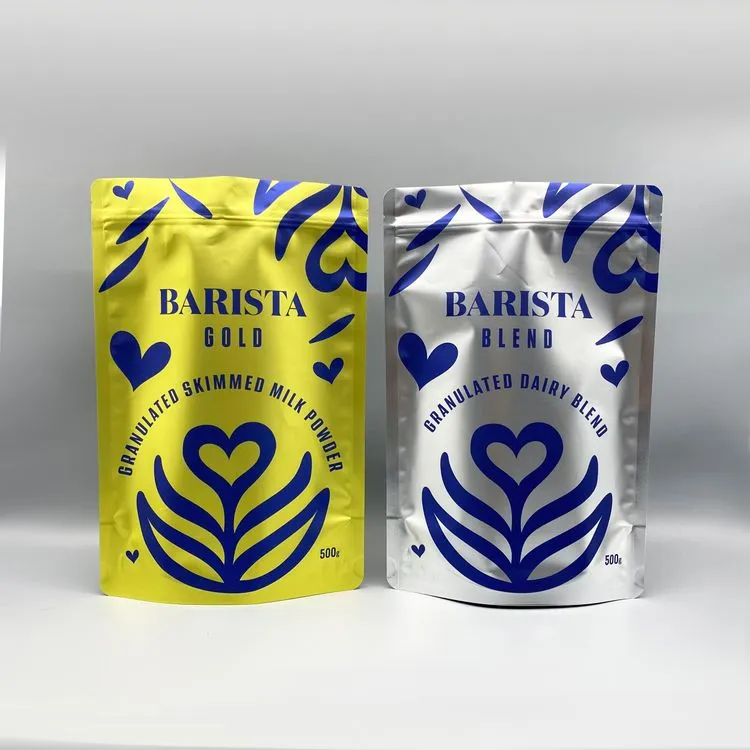
Quality signals to ask for
- Certificates: ISO 22000 or BRCGS Packaging; food-contact declarations (e.g., FDA 21 CFR).
- Test reports: ASTM D882, F88, D3985, F1249; migration and organoleptics for sensitive foods.
- Retain samples and lot traceability; ideally mock shipping under ISTA 3A.
In practice, spec the pouch to the product, not the other way around. It sounds obvious, yet it’s where most failures happen.
References
- ASTM International: D882, F88, D3985, F1249 test methods. https://www.astm.org
- U.S. FDA Food Contact Regulations (21 CFR). https://www.ecfr.gov/current/title-21
- ISO 22000 Food Safety Management Systems. https://www.iso.org/standard/65464.html
- BRCGS Packaging Materials Standard. https://www.brcgs.com
- ISTA 3A Packaged-Products for Parcel Delivery. https://ista.org

