The Evolving Landscape of Flexible Packaging: Focusing on zipper packaging bag Solutions
In the dynamic realm of modern packaging, the quest for enhanced product preservation, consumer convenience, and brand differentiation has led to significant innovations. Among these, the zipper packaging bag stands out as a cornerstone of flexible packaging technology. This comprehensive overview delves into the technical intricacies, market relevance, and strategic advantages offered by these advanced packaging solutions, providing insights critical for B2B decision-makers and technical engineers navigating the complexities of product presentation and protection.
Modern consumers prioritize ease of use and reusability, driving the widespread adoption of zipper packaging bag formats across diverse industries. From securing freshness in food products to ensuring the integrity of industrial components, these bags offer a robust, adaptable, and cost-effective alternative to traditional packaging methods. This article explores the manufacturing excellence, material science, and strategic implications that define contemporary zipper packaging bag solutions.
Industry Trends and Market Dynamics in Zipper Packaging
The global flexible packaging market, valued at approximately USD 248.8 billion in 2022, is projected to reach USD 367.6 billion by 2030, growing at a CAGR of 5.0% (Grand View Research). This growth is significantly fueled by the increasing demand for convenience packaging, extended shelf life, and sustainable solutions. Zipper packaging bag products are at the forefront of this expansion, particularly within the food and beverage, pet food, pharmaceutical, and personal care sectors.
Key trends influencing the zipper packaging bag segment include:
- Sustainability Imperative: A growing emphasis on recyclable, compostable, and bio-based materials for zip pouch food packaging to meet consumer demand and regulatory pressures. Innovations in mono-material structures designed for circularity are prevalent.
- Enhanced Barrier Properties: Development of advanced laminates with improved oxygen transmission rate (OTR) and water vapor transmission rate (WVTR) to extend product shelf life without relying on aluminum foil, responding to demands for transparency and microwaveability.
- E-commerce Optimization: Design of durable, stackable, and tamper-evident custom packaging zip bags suitable for shipping and logistics challenges inherent in online retail.
- Smart Packaging Integration: Exploration of technologies like QR codes, NFC tags, and time-temperature indicators embedded within the packing zipper design for traceability, authenticity verification, and improved consumer engagement.
- Customization and Aesthetics: High-definition printing, matte and gloss finishes, and unique bag structures to enhance brand appeal and stand out on crowded retail shelves.
The market's trajectory indicates a sustained shift towards sophisticated flexible solutions that balance functionality, cost-effectiveness, and environmental responsibility, positioning the zipper plastic bags for packaging as a critical component of future-proof strategies.
Manufacturing Process Flow of Zipper Packaging Bags
The production of a high-quality zipper packaging bag is a multi-stage, precision-engineered process that demands expertise in material science, printing, lamination, and converting technologies. The typical manufacturing flow ensures optimal structural integrity, barrier performance, and aesthetic appeal.
Key Product Materials:
- Polyethylene (PE): Common for inner sealant layers due to excellent heat-sealing properties and moisture barrier. Used in low-density (LDPE) and high-density (HDPE) forms.
- Polypropylene (PP): Offers good clarity, stiffness, and heat resistance. Often used as an outer layer (BOPP) or middle layer.
- Polyethylene Terephthalate (PET): Provides excellent strength, stiffness, clarity, and printability, often serving as the outer printed layer.
- Nylon (PA): Imparts puncture resistance and superior oxygen barrier properties, critical for vacuum-sealed or heavy-duty applications.
- Ethylene Vinyl Alcohol (EVOH): A high-performance co-polymer known for exceptional oxygen barrier, essential for extending the shelf life of oxygen-sensitive products.
- Aluminum Foil (AL): Provides an absolute barrier against moisture, oxygen, light, and aroma. Used when maximum product protection is required.
- Adhesives: Solvent-based or solventless laminating adhesives to bond multiple film layers.
- Zipper Profiles: Typically made from PE or PP, available in various configurations such as press-to-close or slider zippers.
Detailed Manufacturing Process Steps:
-
Film Extrusion & Co-extrusion: Raw polymer pellets are melted and extruded into thin films. Co-extrusion allows multiple layers of different polymers to be formed simultaneously into a single film, creating specific barrier and sealing properties (e.g., PE/EVOH/PE).
-
Printing: The selected outer film layer (often PET or BOPP) is precisely printed using gravure or flexographic techniques. Gravure offers high-quality, consistent print for large volumes, while flexography is versatile for various substrates and shorter runs. Up to 12 colors can be applied for intricate designs.
-
Lamination: Printed films are then laminated with barrier and sealant layers (e.g., PET/AL/PE, PET/Nylon/PE) using specialized adhesives. This multi-layer structure provides mechanical strength, barrier properties, and heat-sealability. Curing ovens ensure optimal bond strength.
-
Zipper Integration: The pre-manufactured zipper profile, a continuous strip, is precisely fed and heat-sealed onto the film web. The specific placement ensures that when the bag is formed, the zipper is correctly positioned for easy opening and reclosing. Advanced machinery ensures consistent seal integrity.
-
Bag Forming & Converting: The laminated and zippered film web is fed into a bag-making machine. Here, it is cut, folded, and heat-sealed to form the desired bag style (e.g., stand-up pouch with gusset, 3-side seal flat pouch, quad seal bag). This includes creating bottom gussets, side seals, and any specific structural elements.
-
Punching and Finishing: Depending on requirements, features like hang holes, tear notches, or rounded corners are punched into the finished bags.
-
Quality Control & Inspection: Each batch undergoes rigorous quality checks, including seal strength testing (e.g., ASTM F88), leak detection (e.g., ASTM D3078), visual inspection for print accuracy, and dimensional verification.
Testing Standards & Certifications:
- ISO 9001: Quality Management Systems, ensuring consistent product quality.
- FDA Compliance: For materials intended for direct food contact, ensuring safety and non-toxicity.
- BRCGS Global Standard for Packaging Materials: Specifies hygiene and quality requirements for packaging manufacturers, particularly for food-grade applications.
- ASTM Standards: A wide range of tests for material properties (e.g., tensile strength, puncture resistance) and packaging performance (e.g., seal integrity, permeation rates).
- REACH & RoHS Compliance: Ensuring compliance with regulations regarding chemical substances and hazardous materials.
Service Life & Target Industries:
The service life of a zipper packaging bag typically ranges from 1 to 5 years under optimal storage conditions, depending on material composition and product requirements. These bags are widely adopted across:
- Food & Beverage: Snacks, coffee, pet food, frozen foods, spices, dried fruits, cereals.
- Pharmaceuticals: Medical devices, powders, sterile components.
- Cosmetics & Personal Care: Powders, creams, wipes, soaps.
- Industrial & Chemical: Small parts, adhesives, fertilizers, detergents.
- Agriculture: Seeds, specialty grains, gardening supplies.
Advantages in typical scenarios include superior product preservation, extended shelf life, enhanced consumer convenience through reclosability, and excellent brand visibility.
Technical Specifications and Performance Parameters
The efficacy of a zipper packaging bag is defined by a rigorous set of technical specifications and performance parameters. These metrics ensure that the packaging meets the specific protection, safety, and logistical requirements of the product it contains.
Key Product Specifications:
| Parameter |
Typical Range/Value |
Measurement Standard |
Significance |
| Material Composition |
PET/AL/PE, BOPP/MET-CPP, PET/Nylon/PE, Mono-PE |
Internal Specifications, ASTM D1248 |
Determines strength, barrier, and heat-sealing properties. |
| Thickness (Total) |
50 - 200 microns (µm) |
ASTM D374 |
Influences durability, barrier, and cost. |
| Oxygen Transmission Rate (OTR) |
0.5 - 100 cc/m²/24hr (at 23°C, 0% RH) |
ASTM D3985 |
Critical for oxygen-sensitive products (e.g., coffee, meat). Lower is better. |
| Water Vapor Transmission Rate (WVTR) |
0.5 - 10 g/m²/24hr (at 38°C, 90% RH) |
ASTM F1249 |
Critical for moisture-sensitive products (e.g., snacks, powders). Lower is better. |
| Seal Strength |
> 10 N/15mm (for heat seals) |
ASTM F88 |
Ensures package integrity and prevents leaks during handling and transport. |
| Puncture Resistance |
> 15 N |
ASTM D5748 |
Ability to withstand piercing by sharp objects, crucial for industrial applications. |
| Tensile Strength |
> 40 MPa |
ASTM D882 |
Measures the force required to pull the film apart, indicating overall strength. |
These parameters collectively define the performance profile of custom packaging zip bags, allowing for precise material selection and structural design to meet stringent application demands. Expertise in interpreting and applying these technical data points is crucial for successful packaging development.
Technical Advantages of Zipper Packaging Bags
The inherent design and material science behind zipper plastic bags for packaging confer a range of significant technical and operational advantages for businesses:
- Superior Product Preservation: Multi-layer laminates combined with effective reclosable zippers create excellent barriers against oxygen, moisture, UV light, and odors. This extends shelf life, maintains product freshness, and prevents spoilage, leading to reduced waste and enhanced product quality.
- Enhanced Consumer Convenience & Reusability: The reclosable feature allows consumers to open and reseal the bag multiple times, preventing spills, maintaining freshness between uses, and improving user experience. This translates to higher customer satisfaction and brand loyalty.
- Versatility in Application: Available in numerous configurations (stand-up pouches, flat pouches, 3-side seal, quad seal), and compatible with various products from solids and powders to liquids and gels, offering immense flexibility in packing zipper solutions.
- Excellent Brand Visibility & Marketing Real Estate: The flat, expansive surfaces of these bags, especially stand-up pouches, provide ample space for high-quality graphics, branding, and product information, making them highly effective marketing tools on retail shelves.
- Reduced Material Usage & Transport Costs: Being lightweight and flexible, these bags typically require less material than rigid packaging, reducing overall packaging weight and leading to lower shipping costs and a smaller carbon footprint during transport.
- Puncture and Tear Resistance: Advanced film structures incorporate materials like Nylon or specialized PE blends to significantly improve the bag's resistance to punctures and tears, ensuring product integrity throughout the supply chain.
- Tamper Evidence: Many zipper plastic bags for packaging are designed with tear notches above the zipper, providing clear tamper evidence before initial opening, crucial for consumer safety and trust.
These technical merits position zipper packaging bags as a strategic choice for businesses seeking to optimize product protection, enhance consumer appeal, and streamline operational efficiencies.
Diverse Application Scenarios
The versatility of zipper packaging bags makes them indispensable across a multitude of industries and product categories. Their adaptability to various product forms and environmental conditions underscores their functional excellence.
- Food & Beverage Industry:
- Snacks & Confectionery: Protecting chips, cookies, candies from moisture and air to maintain crispness and flavor.
- Coffee & Tea: High-barrier zip pouch food packaging with one-way degassing valves preserve aroma and freshness.
- Pet Food: Durable, large-format bags for dry kibble, ensuring freshness over extended periods.
- Frozen Foods: Materials designed to withstand freezing temperatures without compromising seal integrity.
- Dried Fruits, Nuts & Cereals: Preventing desiccation and spoilage, allowing for portion control.
- Pharmaceutical & Medical Sector:
- Medical Devices: Sterile packaging for small instruments, offering protection and tamper evidence.
- Supplements & Powders: Moisture-sensitive products requiring precise dosing and reclosability.
- Cosmetics & Personal Care:
- Sachets & Samples: Stand-up pouches for lotions, shampoos, and facial masks, enhancing portability and shelf appeal.
- Wipes & Pads: Maintaining moisture content and hygiene.
- Industrial & Chemical Applications:
- Small Components: Packaging for electronics, hardware, or automotive parts, preventing corrosion and loss.
- Powdered Chemicals & Adhesives: Protecting sensitive materials from environmental degradation.
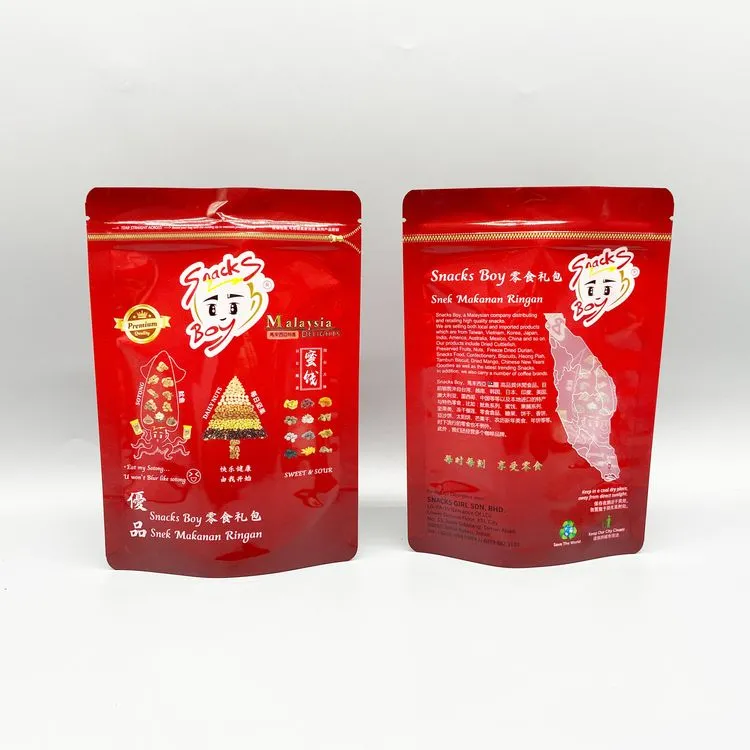
These scenarios highlight how custom packaging zip bags offer tailored solutions for diverse product requirements, demonstrating their adaptability and critical role in modern supply chains.
Customized Solutions for Zipper Packaging Bags
Recognizing that off-the-shelf packaging rarely fits every unique product, manufacturers specializing in zipper plastic bags for packaging offer extensive customization options. This bespoke approach ensures that packaging not only protects the product but also reinforces brand identity and optimizes consumer interaction.
Areas of Customization:
- Material Composition: Tailoring multi-layer laminates (e.g., PET/AL/PE, Kraft/PLA, BOPP/EVOH/PE) to achieve specific barrier properties (OTR, WVTR), puncture resistance, or sustainability goals (recyclable, compostable).
- Size and Shape: Producing bags in precise dimensions to match product volume and fit retail displays, including custom gusset designs (bottom, side) for stand-up stability or unique contours.
- Printing and Graphics: High-definition flexographic or gravure printing with up to 12 colors, matte or gloss finishes, spot UV, metallic inks, and custom window designs to showcase the product.
- Zipper Type and Placement: Selection from various zipper types (e.g., press-to-close, slider zippers, child-resistant zippers) and strategic placement to optimize reclosability and access for specific product applications.
- Additional Features:
- Tear Notches: For easy, clean opening.
- Hang Holes: Euro slot or round for retail display.
- Degassing Valves: Essential for coffee packaging to release CO2 while preventing oxygen ingress.
- Spouts & Fitments: For liquid or pourable products.
- Laser Scoring: For precise, easy-opening lines.
- Sustainable Options: Offering compostable (PLA, PBAT), recyclable (mono-PE, mono-PP), or post-consumer recycled (PCR) content options for environmentally conscious brands.
Engaging with a manufacturer that provides comprehensive R&D and design services is paramount to developing custom packaging zip bags that excel in both function and market appeal.
Vendor Comparison: Selecting the Right Partner for Zipper Packaging Bags
Choosing the right manufacturing partner for custom packaging zip bags is a strategic decision that impacts product quality, supply chain efficiency, and brand reputation. A comparative analysis based on key criteria is essential.
Comparative Factors for Suppliers of Zipper Packaging Bags:
| Criteria |
Supplier A (Typical Tier-1) |
Supplier B (Mid-Tier Specialized) |
Supplier C (Emerging/Cost-Focused) |
| Certifications |
ISO 9001, BRCGS, FDA, GMP |
ISO 9001, FDA, HACCP |
Basic ISO 9001 |
| Customization Capability |
Full R&D, advanced material/feature options, complex structures |
Good material/size/print customization, standard features |
Limited to standard sizes/materials, basic printing |
| Minimum Order Quantity (MOQ) |
50,000 - 100,000+ units |
10,000 - 50,000 units |
5,000 - 10,000 units |
| Lead Time (Production) |
4-8 weeks (complex custom) |
3-6 weeks (standard custom) |
2-4 weeks (basic) |
| Technical Support |
Dedicated project managers, material science engineers |
Responsive sales team, technical consultation |
Standard customer service |
| Sustainability Initiatives |
Active R&D in mono-materials, compostables, PCR. Certifications. |
Offers some recyclable options. |
Limited options. |
Businesses should align their selection with their specific needs regarding volume, budget, customization complexity, and commitment to quality and sustainability. A thorough vetting process ensures a reliable partnership for high-performance zipper plastic bags for packaging.
Application Case Studies
Real-world applications demonstrate the tangible benefits of well-engineered zipper packaging bags. These case studies highlight their impact on product integrity, consumer engagement, and market performance.
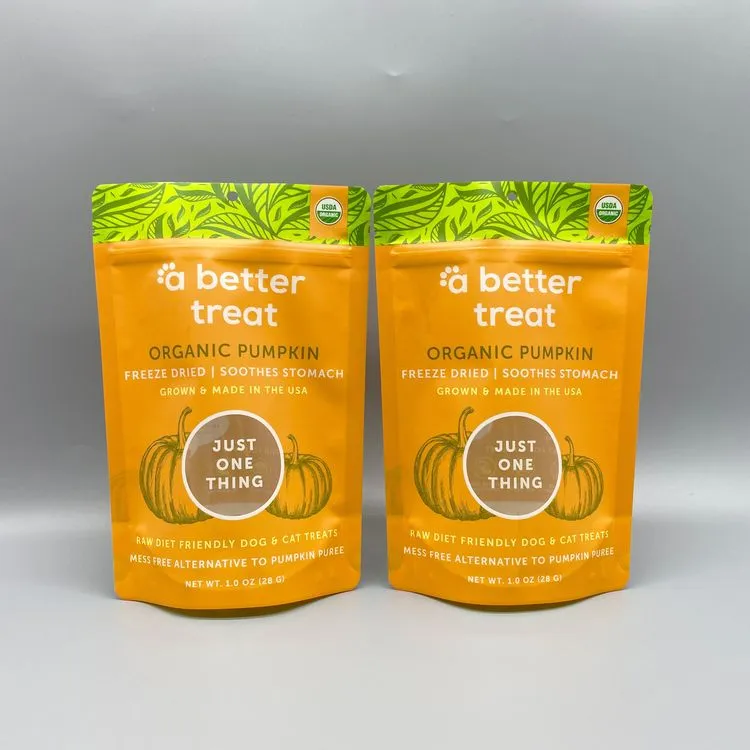
Case Study 1: Premium Coffee Roaster
A specialty coffee brand sought to extend the shelf life of their freshly roasted beans while providing a premium unboxing experience. They transitioned from traditional tin tie bags to high-barrier, stand-up zipper packaging bags. The custom packaging zip bags featured a multi-layer laminate (PET/AL/PE) with an integrated one-way degassing valve and a durable press-to-close zipper. The results were significant:
- Extended Freshness: Oxygen levels inside the bags remained consistently below 1%, maintaining bean aroma and flavor for over 12 months, compared to 6 months with previous packaging.
- Consumer Satisfaction: Customer feedback indicated a 40% increase in satisfaction related to the ease of use and reclosability of the new bags, reducing product waste at home.
- Brand Perception: The high-quality print and tactile finish of the custom packaging zip bags reinforced the brand's premium image, leading to a 15% increase in market share within the premium coffee segment.
Case Study 2: Industrial Component Manufacturer
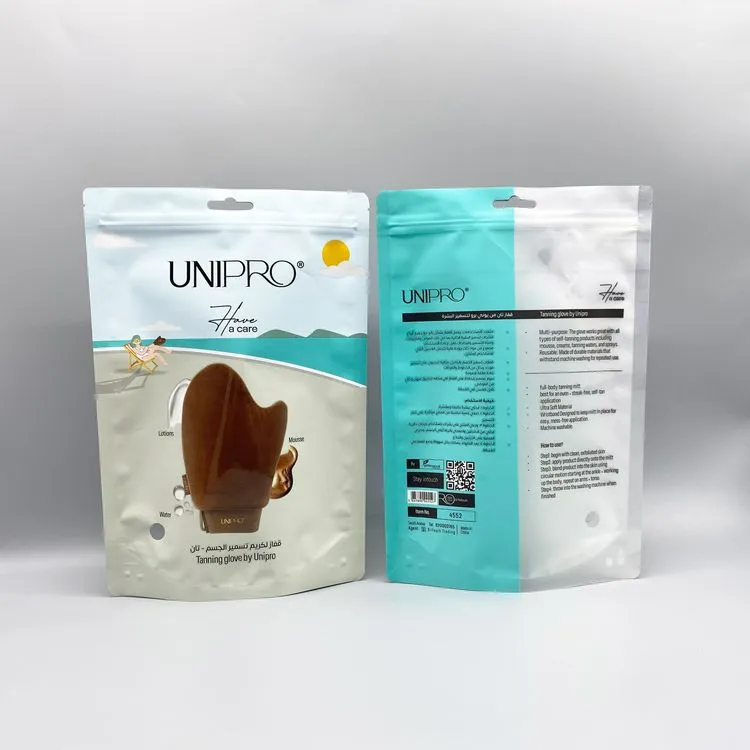
A manufacturer of sensitive electronic components faced issues with moisture damage and static discharge during transit to assembly plants. They implemented custom zipper plastic bags for packaging constructed with an anti-static, high-barrier metalized PET/PE laminate. These bags were designed as 3-side seal flat pouches with a robust zipper and tear notch.
- Damage Reduction: The specialized packing zipper material reduced static discharge incidents by 95% and eliminated moisture ingress, resulting in a 30% reduction in component damage during shipping.
- Inventory Management: The clear window (with selective metalization) on the bag allowed for easy visual identification of components without opening, streamlining inventory and reducing handling time at receiving docks.
- Cost Savings: While the initial unit cost was slightly higher, the significant reduction in damaged goods and improved operational efficiency led to an overall 10% cost saving for the company.
These examples underscore the critical role of carefully designed and manufactured zipper packaging bag solutions in addressing specific industry challenges and delivering measurable business value.
Quality Assurance & Certifications
Commitment to quality is paramount in flexible packaging manufacturing. Reputable suppliers of zipper packaging bags adhere to stringent quality management systems and hold industry-recognized certifications to ensure product safety, performance, and compliance.
Key Certifications and Quality Practices:
- ISO 9001:2015: Certifies a robust Quality Management System, ensuring consistent processes from design to delivery.
- BRCGS Global Standard for Packaging Materials: A globally recognized food safety and quality standard, critical for suppliers of food-grade custom packaging zip bags.
- FDA/EU Food Contact Compliance: Assures that all materials used in packaging intended for food contact meet strict regulatory requirements for safety and non-toxicity.
- cGMP (current Good Manufacturing Practices): Ensures that products are consistently produced and controlled according to quality standards.
- Hazard Analysis and Critical Control Points (HACCP): A systematic preventive approach to food safety from biological, chemical, and physical hazards.
- Internal Quality Control: Includes comprehensive checks at every stage: raw material inspection, in-process monitoring (print registration, seal integrity), and final product testing (burst strength, leak tests, OTR/WVTR).
Partnerships with certified manufacturers provide assurance of consistent quality, risk mitigation, and adherence to international standards, building trust and reliability in the supply chain.
Frequently Asked Questions (FAQ)
- Q: What is the typical lead time for custom zipper packaging bags?
- A: Lead times vary based on customization complexity, order volume, and material availability. Generally, for fully customized orders, expect 4-8 weeks for production after design approval. Rush orders may be accommodated at an additional cost.
- Q: What is the minimum order quantity (MOQ) for custom zipper plastic bags for packaging?
- A: Our MOQ typically starts from 10,000 units for fully customized printed bags. For specific specialty materials or complex structures, the MOQ might be higher. Please contact our sales team for a detailed quote based on your specific requirements.
- Q: What kind of warranty is offered on your zipper packaging bag products?
- A: We offer a comprehensive warranty against manufacturing defects in materials and workmanship. Our products are guaranteed to meet agreed-upon technical specifications (e.g., seal strength, barrier properties) and comply with all relevant industry standards for a period of 12 months from the date of shipment, provided they are stored and handled correctly. Full warranty terms are provided with each order.
- Q: What after-sales support do you provide?
- A: Our commitment extends beyond delivery. We provide dedicated customer support, technical assistance for any packaging line integration issues, and consultation for optimizing packaging performance. In case of any concerns, our quality assurance team is ready to investigate and provide solutions promptly.
- Q: Can you help with sustainable packaging solutions?
- A: Absolutely. We offer a range of sustainable options including recyclable mono-material films (e.g., all-PE, all-PP), compostable materials (e.g., PLA, PBAT), and packaging incorporating post-consumer recycled (PCR) content. Our R&D team can assist in selecting the best eco-friendly solution for your product.
Conclusion
The advanced zipper packaging bag stands as a testament to innovation in flexible packaging. Offering an unparalleled blend of product protection, consumer convenience, and brand presentation, these bags are critical assets for businesses striving for excellence in competitive markets. By understanding the intricate manufacturing processes, technical specifications, and vast customization possibilities, companies can strategically leverage these solutions to enhance product value, streamline logistics, and meet evolving consumer and environmental demands. The investment in high-quality, technically sound zipper packaging bags is an investment in product integrity, brand reputation, and future growth.
References
- Grand View Research. "Flexible Packaging Market Size, Share & Trends Analysis Report By Material (Plastics, Paper, Metal), By Product (Pouches, Bags, Films, Wraps), By Application (Food & Beverage, Pharma & Healthcare), By Region, And Segment Forecasts, 2023 - 2030."
- ASTM International. "ASTM Standards for Flexible Packaging." (Various standards referenced in the text, e.g., ASTM F88, D3985, F1249).
- ISO. "ISO 9001:2015 Quality Management Systems – Requirements."
- BRCGS. "BRCGS Global Standard for Packaging Materials Issue 6."
- Food and Drug Administration (FDA). "Food Packaging and Contact Materials."

