The snack aisle has quietly turned into a laboratory. Shelf-stable fruit, clean labels, e‑commerce-ready formats—every week, buyers ask for shorter lead times and greener materials. I’ve toured plants from Hebei to Hamburg; the most consistent feedback is simple: keep the fruit crunchy, keep oil rancidity at bay, and make the pack look good on Instagram. That’s exactly where modern dried fruit packaging bags shine.

Industry trends you can’t ignore
- Recyclable mono-PE or paper/PE lines for “store drop-off” programs; brands trialing ≈30–60% PCR content.
- High-barrier without foil for metal detector compatibility and better QR/NFC printing.
- Digital print for small MOQs and seasonal flavors; variable data for traceability.
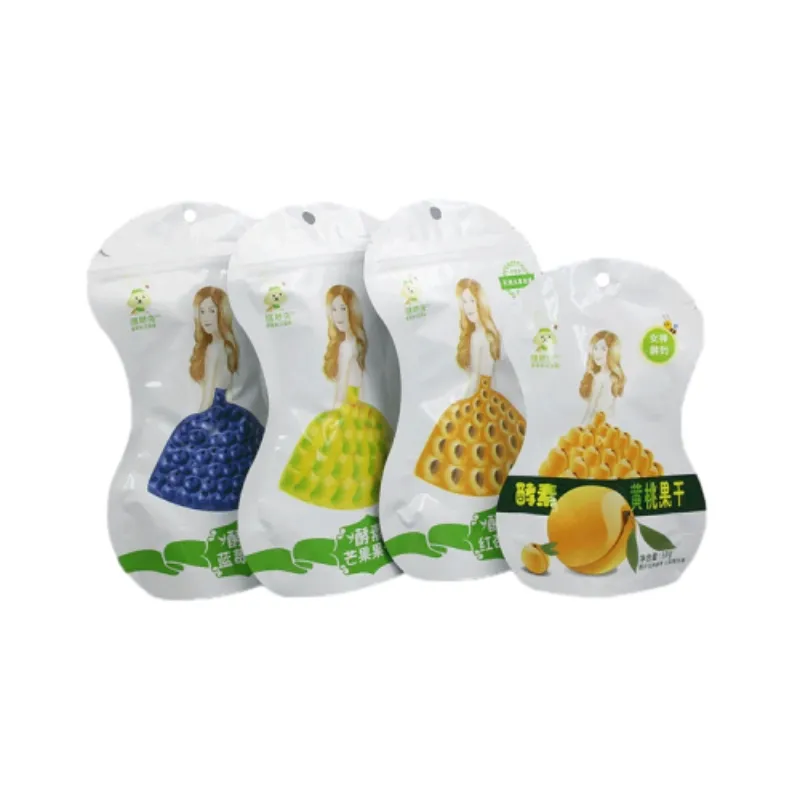
Technical specification (typical builds)
| Structure |
Thickness (µm) |
Barrier (OTR/MVTR) |
Use case |
| PET/AL/PE |
80–120 |
OTR ≈0; MVTR ≈0.1 g/m²·day (real-world may vary) |
Max shelf-life nuts, oily dried fruit |
| MOPP/Kraft/VMPET/PE |
110–130 |
High barrier, paper touch |
Premium natural look |
| Mono-PE (recyclable) with EVOH |
90–120 |
OTR ≈1–3; MVTR ≈1–3 |
Eco claims + good barrier |
Formats: stand-up/doy, flat-bottom, quad-seal, and single-serve. Options include recloseable zipper, laser score, euro hole, matte/gloss combo, and windows. Origin: Xiongxian Economic Development Zone (East Zone), Xiongan New Area, Hebei Province, China—an established converting hub with serious speed.
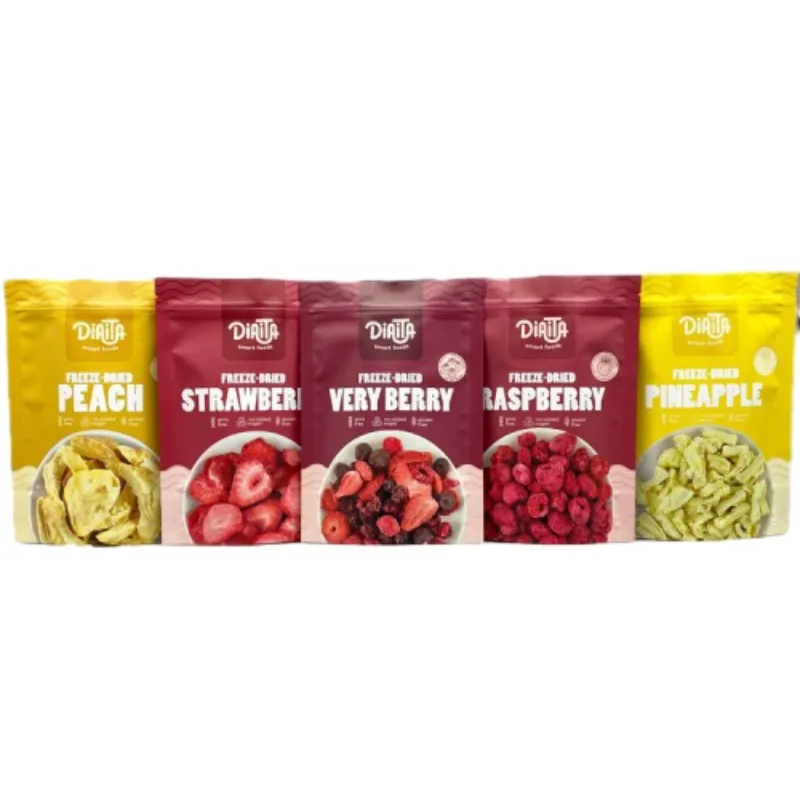
Process flow and testing
- Material selection: food-contact films (FDA/EU compliant), inks/adhesives low-migration.
- Lamination: solvent-free or low-solvent; curing 24–48h.
- Printing: rotogravure/digital up to 10 colors; color ΔE checks.
- Conversion: pouch-making, zippers fitted, laser scoring, anti-leak corners.
- QC: OTR (ASTM D3985), WVTR (ASTM F1249), seal strength (ASTM F88), drop test (ASTM D5276).
Service life: typically 12–18 months for dried fruit packaging bags, depending on water activity (aw), oil content, and supply chain temps.
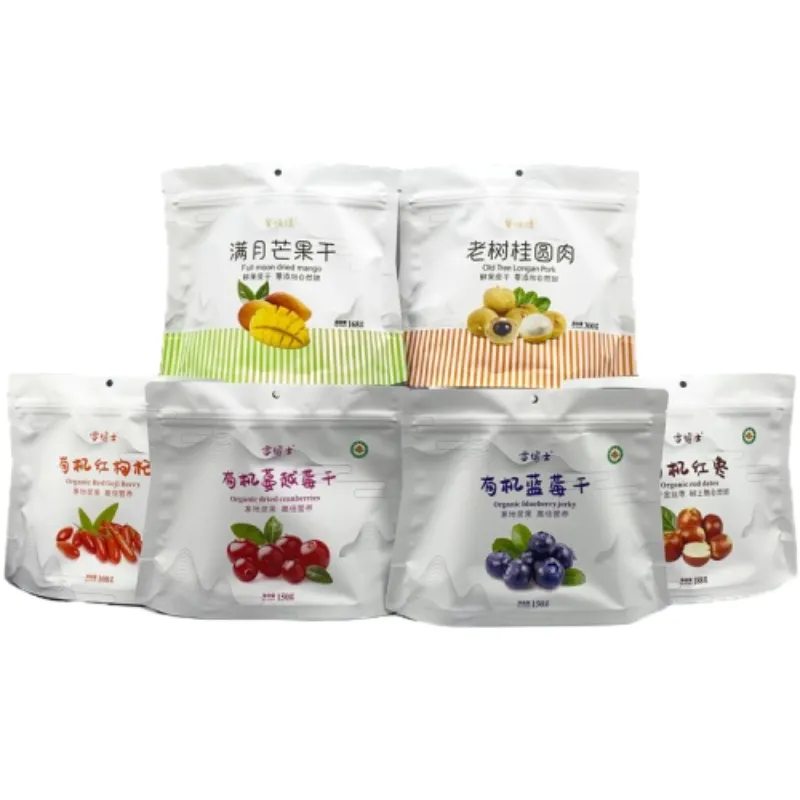
Where they’re used (and why)
- Retail snacks: almonds, raisins, mango—zipper keeps repeat crunch.
- Private label: fast changeovers, small MOQ artwork.
- E-commerce: durable pouches cut damages by ≈20–30% vs. rigid jars, in my experience.
Many customers say matte kraft fronts “feel more artisanal,” yet still want metal-level barrier. With hybrid builds, you can actually have both.
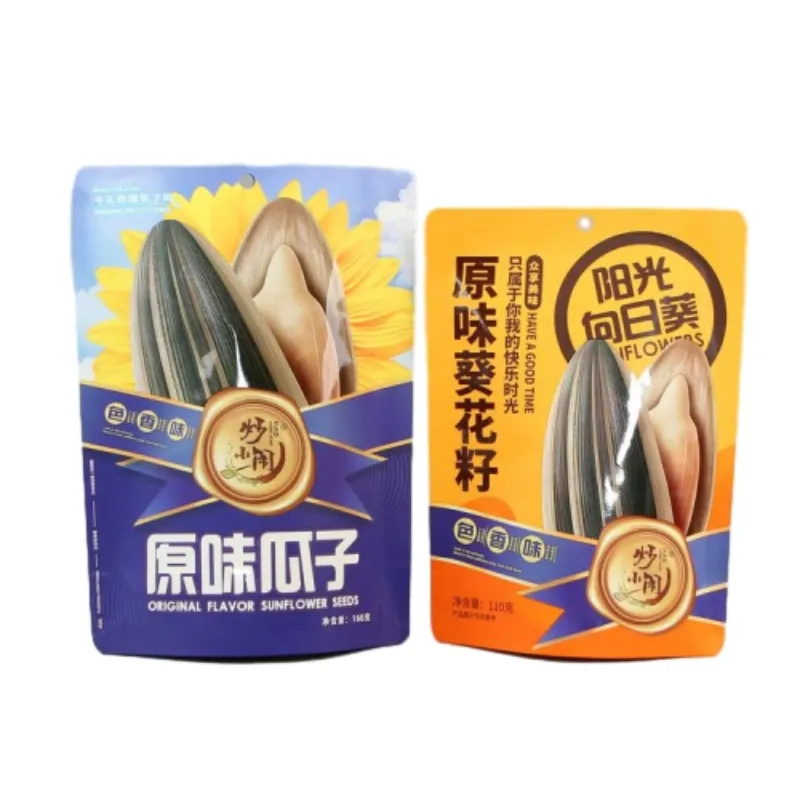
Vendor comparison (quick take)
| Vendor |
Lead time |
Certs |
Strengths |
| JunlanPack (Xiongan) |
2–4 weeks |
ISO 9001, BRCGS PM, FDA food-contact docs |
High-barrier range, strong color, custom dielines |
| Regional Converter A |
4–6 weeks |
ISO 22000 |
Mono-PE focus, limited finishes |
| Global Player B |
6–8 weeks |
BRCGS PM, FSC (paper) |
Huge capacity, higher MOQs |
Customization and results
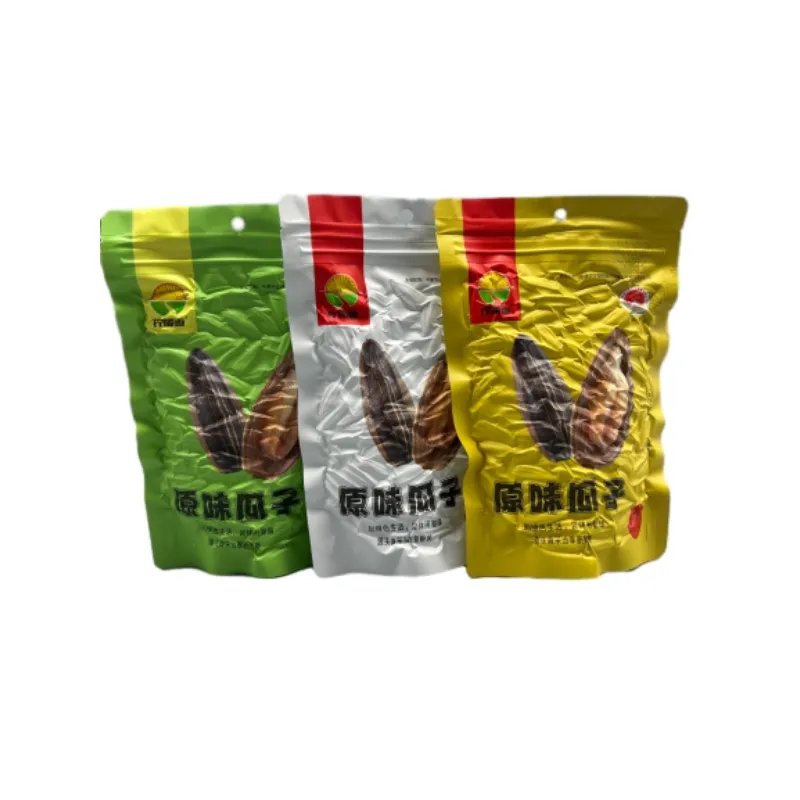
Options for dried fruit packaging bags: soft-touch/matte, metallic accents, clear windows for color cues, degassing valves for nut roasts (yes, it helps), and tamper-evidence. One brand I worked with cut stale returns by 32% after moving to VMPET builds; another extended shelf-life from 9 to 15 months by dialing OTR from ≈5 to ≈1 with EVOH layers. To be honest, dialing zipper spec (5 mm vs 3 mm) made nearly as much difference in customer satisfaction as graphics.
Compliance and documentation
Expect migration testing on request, FDA 21 CFR food-contact declarations, EU 10/2011 compliance, and batch COAs. Ask for OTR/WVTR test sheets and seal-strength data; real-world distribution can be rough.
Authoritative citations
- FDA 21 CFR 175.300 & related food-contact regulations: https://www.ecfr.gov/
- EU Regulation No 10/2011 on plastic materials for food contact: https://eur-lex.europa.eu/
- ASTM D3985 (Oxygen Transmission Rate): https://www.astm.org/d3985
- ASTM F1249 (Water Vapor Transmission Rate): https://www.astm.org/f1249
- ASTM F88 (Seal Strength): https://www.astm.org/f0088
- BRCGS Packaging Materials Standard: https://www.brcgs.com/

