Navigating the Landscape of PE Packaging Solutions
In the dynamic realm of industrial and commercial packaging, the choice of material and design is paramount for product integrity, brand presentation, and supply chain efficiency. Polyethylene (PE) packaging stands as a cornerstone, offering unparalleled versatility and performance. This discourse delves into the intricacies of pe packaging bag solutions, exploring their technical specifications, manufacturing processes, application diversity, and the strategic advantages they offer B2B stakeholders. Understanding the nuances of PE bag packaging is crucial for optimizing operational workflows and ensuring product longevity across various sectors.
Industry Trends in PE Packaging
The global flexible packaging market, significantly driven by PE solutions, is projected to reach USD 390 billion by 2028, growing at a CAGR of over 4% from 2023. This growth is fueled by several key trends. Sustainability is a primary driver, with increasing demand for recyclable and bio-based PE options. Innovations in mono-material structures are enabling easier recycling while maintaining critical barrier properties previously achieved through multi-material laminates. Furthermore, advancements in co-extrusion technology allow for the creation of sophisticated films, such as PA/PE plastic bags, which combine the strength and barrier properties of Polyamide (PA) with the flexibility and sealability of PE. Enhanced printing technologies are also enabling higher-quality graphics on PE pouches, supporting brand differentiation on retail shelves. The rise of e-commerce has also amplified the need for durable, lightweight, and compact packaging solutions, where PE packaging bag excels in protection and cost-efficiency during transit.
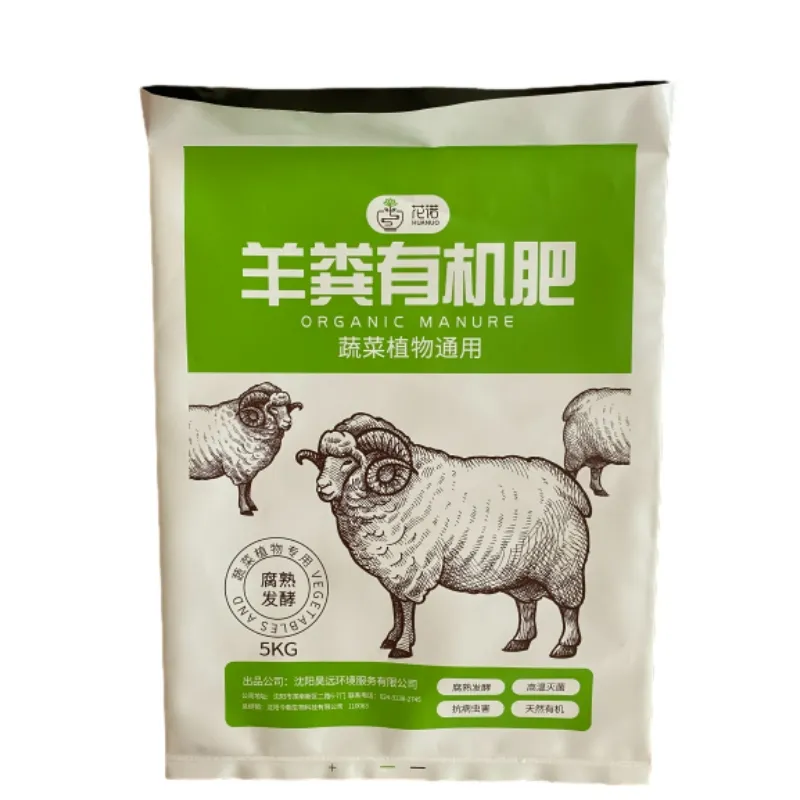
Figure 1: Illustration of advanced PE film technology.
Manufacturing Process of pe packaging bag
The production of a high-quality pe packaging bag involves a meticulously controlled, multi-stage process, ensuring material integrity and functional performance. This process typically initiates with the careful selection of polyethylene resins, including Low-Density Polyethylene (LDPE), Linear Low-Density Polyethylene (LLDPE), and High-Density Polyethylene (HDPE), each chosen for specific flexibility, strength, and barrier characteristics. For enhanced properties, co-extruded films combining PE with materials like Polyamide (PA) for superior oxygen barrier are also common in pa pe plastic bags.
Process Flow Overview:
-
1. Resin Preparation & Feeding: Virgin or recycled PE resin pellets are conveyed to the extruder. Additives such as slip agents, anti-block agents, UV stabilizers, and colorants are precisely introduced to achieve desired film properties.
-
2. Film Extrusion (Blown Film or Cast Film):
-
Blown Film Extrusion: Resin is melted and extruded through a circular die, forming a molten tube. Air is injected to inflate the tube into a bubble, which is then cooled, collapsed by nip rollers, and wound onto a roll. This method is highly versatile for producing various thicknesses and multi-layer co-extruded films, commonly used for pe bag packaging.
-
Cast Film Extrusion: Molten resin is extruded through a flat die onto a highly polished, chilled roller, rapidly cooling it into a thin film. This method typically offers superior clarity and gloss.
-
3. Printing: The extruded film undergoes printing using technologies like flexographic or rotogravure. Flexography is ideal for high-volume runs and vibrant designs, while rotogravure offers superior image quality for intricate graphics, crucial for branding on modern PE pouches.
-
4. Lamination (for multi-layer films): For complex structures like pa pe plastic bags requiring enhanced barrier properties, multiple film layers are bonded together using adhesives, creating a composite film with superior performance.
-
5. Bag Formation & Sealing: The printed and/or laminated film is fed into a bag-making machine. Here, it is precisely cut, folded, and sealed using heat or ultrasonic welding to create the desired bag format (e.g., flat pockets, stand-up pouches, gusseted bags). The seal integrity is critical for product protection.
-
6. Quality Control & Packaging: Finished bags undergo rigorous quality checks for dimensions, seal strength, print registration, and absence of defects. Samples are often subjected to burst tests and tensile tests. Finally, the bags are counted, bundled, and packaged for shipment.
Testing Standards and Compliance:
To ensure optimal performance and safety, pe packaging bag products are tested against international standards. Key standards include:
- ISO 9001: Quality Management Systems, ensuring consistent product quality.
- ASTM D882: Standard Test Method for Tensile Properties of Thin Plastic Sheeting.
- ASTM F88: Standard Test Method for Seal Strength of Flexible Barrier Materials.
- ASTM F1249: Standard Test Method for Water Vapor Transmission Rate Through Plastic Film and Sheeting Using a Modulated Infrared Sensor.
- ASTM D3985: Standard Test Method for Oxygen Gas Transmission Rate Through Plastic Film and Sheeting Using a Coulometric Sensor.
- FDA Compliance: For food contact applications, adherence to regulations like 21 CFR 177.1520 (Olefin Polymers) is mandatory.
The service life of a pe packaging bag can range from several months to years, depending on environmental factors (UV exposure, temperature), mechanical stresses, and the specific application. For instance, an agricultural fertilizer bag designed for outdoor storage will incorporate UV stabilizers to extend its service life to a year or more, demonstrating robustness and corrosion resistance against chemical contents and environmental degradation, effectively safeguarding the product and reducing waste.
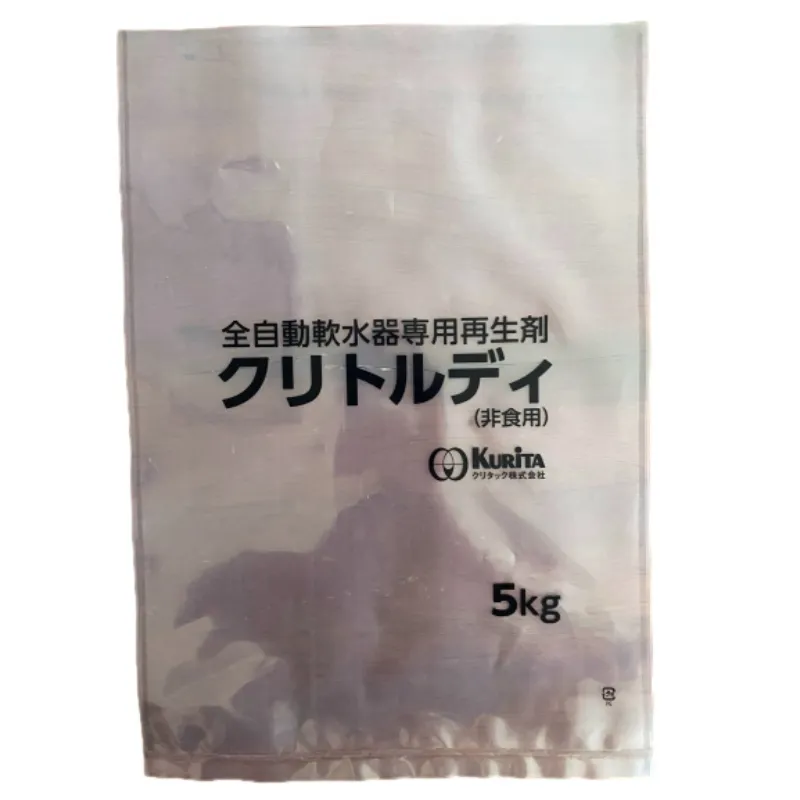
Figure 2: Advanced extrusion machinery for PE film production.
Technical Specifications and Material Science
The performance of a pe packaging bag is directly linked to its technical specifications, which are engineered to meet diverse industry requirements. Polyethylene, a thermoplastic polymer, offers a spectrum of properties depending on its density and molecular structure. For specialized applications requiring superior barrier properties, such as for sensitive food products or industrial chemicals, co-extruded pa pe plastic bags are often employed. These structures leverage the inherent gas barrier properties of PA (Polyamide) and the moisture barrier and heat-sealing capabilities of PE, providing a synergistic effect.
Key Material Parameters for PE Films:
| Property |
LDPE (Low-Density PE) |
LLDPE (Linear Low-Density PE) |
HDPE (High-Density PE) |
PA/PE Co-extrusion (Example) |
| Density (g/cm³) |
0.910 - 0.925 |
0.915 - 0.930 |
0.941 - 0.965 |
Varies (PE layer ~0.92) |
| Tensile Strength (MD/TD, MPa) |
10 - 18 |
20 - 40 |
25 - 45 |
40 - 70 (Enhanced) |
| Elongation at Break (%) |
400 - 800 |
500 - 700 |
100 - 700 |
300 - 500 (Composite) |
| Dart Impact Strength (g/µm) |
0.2 - 0.5 |
0.4 - 0.8 |
0.1 - 0.3 |
0.5 - 1.2 (Superior Puncture) |
| Water Vapor Transmission Rate (g·m²/day) at 38°C, 90% RH (for 25µm film) |
4 - 8 |
4 - 7 |
0.8 - 2 |
3 - 6 (PE layer dominant) |
| Oxygen Transmission Rate (cm³·m²/day·atm) at 23°C, 0% RH (for 25µm film) |
1500 - 3000 |
1000 - 2500 |
500 - 1000 |
10 - 50 (PA layer significant) |
These parameters highlight how different PE variants and multi-layer compositions can be tailored. For instance, LLDPE offers superior puncture resistance and flexibility, making it ideal for heavy-duty applications or products requiring high impact strength. HDPE provides excellent stiffness and moisture barrier, suitable for items needing robust protection. The use of a pa pe plastic bag significantly improves oxygen barrier, which is critical for extending the shelf life of oxygen-sensitive products, mitigating spoilage and maintaining freshness.
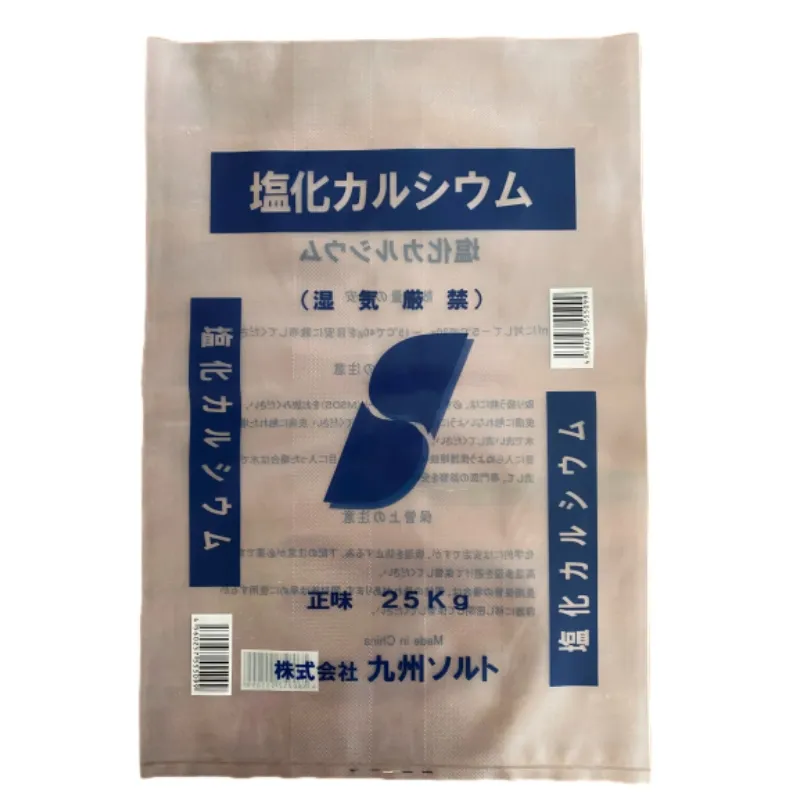
Figure 3: Close-up of a multi-layer PE film structure.
Advantages of pe packaging bag
The widespread adoption of pe packaging bag solutions across industrial and commercial sectors stems from a compelling array of technical and economic advantages:
-
Superior Barrier Properties: PE films provide excellent moisture barrier, protecting contents from humidity and environmental degradation. For oxygen-sensitive products, specialized multi-layer structures, such as pa pe plastic bags, integrate high-barrier polymers to significantly extend shelf life and preserve product efficacy. This is critical for preventing oxidation and maintaining sensory attributes in food and pharmaceutical applications.
-
Exceptional Mechanical Strength and Durability: Engineered to withstand significant stress, PE bags offer high tensile strength, tear resistance, and puncture resistance. LLDPE-based films, in particular, provide remarkable toughness, crucial for heavy or irregularly shaped products, reducing transit damage and product loss.
-
Cost-Effectiveness and Material Efficiency: PE is one of the most cost-effective polymer resins, allowing manufacturers to produce high-performance packaging at competitive prices. Its lightweight nature also translates to reduced shipping costs and a smaller carbon footprint throughout the supply chain.
-
Versatility and Customization: From small PE pouches to large industrial sacks, PE can be easily processed into various forms, thicknesses, and sizes. It readily accepts printing, enabling vivid graphics and brand messaging, making it a preferred choice for pe plastic bags supplier seeking to offer tailored solutions. Custom features such as zippers, spouts, and tear notches further enhance user convenience and product functionality.
-
Chemical Inertness: PE is highly resistant to most chemicals, acids, and alkalis, making it an ideal packaging material for a wide range of industrial chemicals, cleaning agents, and agricultural products without risk of material degradation or contamination.
-
Recyclability: While multi-layer structures pose challenges, mono-material PE packaging is widely recyclable in many regions, supporting corporate sustainability initiatives and contributing to a circular economy. Continuous innovation focuses on improving the recyclability of even complex PE bag packaging designs.
Application Scenarios and Target Industries
The adaptability of the pe packaging bag makes it indispensable across a multitude of industries, addressing diverse packaging needs from protective transit solutions to consumer-facing retail presentations. Junlanpack's Flat Pocket, for example, represents a versatile form of pe bag packaging optimized for broad utility.
Key Target Industries and Applications:
-
Food & Beverage: Utilized for frozen foods, fresh produce, snacks, confectionary, and bulk ingredients. Specialized PE pouches with high-barrier properties (e.g., PA/PE co-extrusion) prevent moisture and oxygen ingress, extending freshness and shelf life. Applications include vacuum packaging for meats, retort pouches for ready-to-eat meals, and stand-up pouches for granola or pet food.
-
Pharmaceuticals & Medical Devices: Sterilizable PE films and pouches are critical for packaging medical instruments, disposables, and over-the-counter medications. Cleanroom production and precise barrier control are paramount to maintain sterility and product integrity.
-
Chemicals & Petrochemicals: Heavy-duty PE bags, often with high puncture resistance and chemical inertness, are used for powders, granules, pellets, and other bulk chemical products. This includes resins, fertilizers, detergents, and industrial salts. The robust nature of pe plastic bags ensures safe containment and transport.
-
Agriculture: From seed packaging and animal feed to fertilizers and agricultural chemicals, PE films provide essential protection against moisture, pests, and UV degradation. Large-format PE pouches and woven PE sacks are common.
-
Consumer Goods & Retail: Used for packaging textiles, personal care products, electronic components, and toys. PE packaging offers flexibility, visual appeal through high-quality printing, and protection during transport and display.
-
Construction & Building Materials: Protective PE films are used for weatherproofing, covering materials, and packaging components like insulation or aggregates.
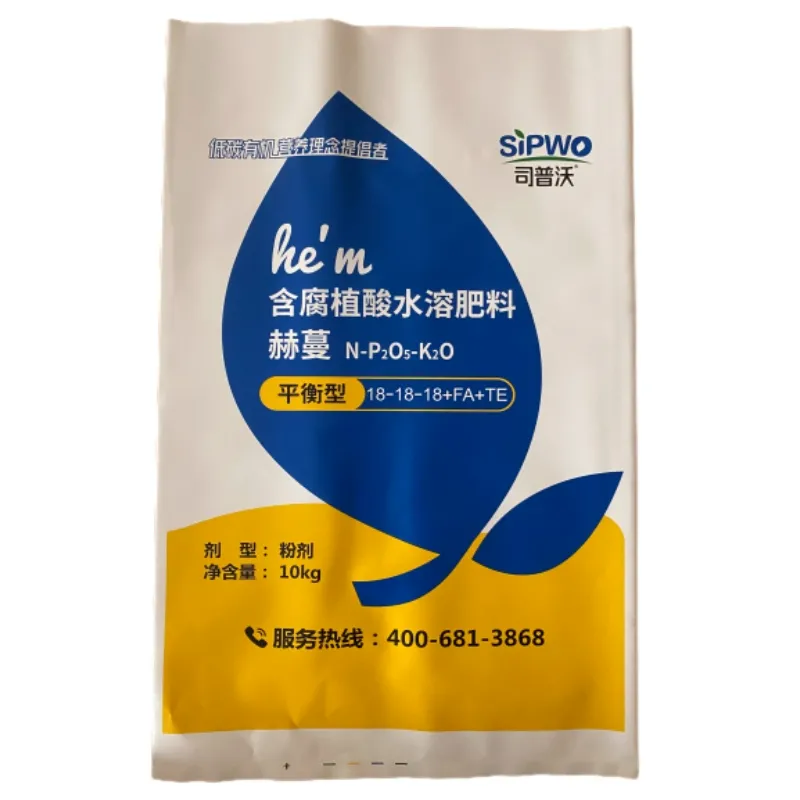
Figure 4: Diverse applications of PE packaging in industrial settings.
Vendor Comparison and Selection Criteria for pe plastic bags supplier
Choosing the right pe plastic bags supplier is a critical decision that impacts product quality, supply chain reliability, and ultimately, a business's bottom line. A comprehensive evaluation process should consider multiple factors beyond just initial cost. For instance, while many suppliers offer standard pe packaging bag options, only specialized providers can deliver complex solutions like advanced pa pe plastic bags for high-barrier needs.
Key Comparison Criteria:
| Criteria |
Description/Considerations |
Impact on Business |
| Material Quality & Sourcing |
Does the supplier use virgin resins? Are specialized materials like PA for barrier films available? What are their raw material certifications? |
Ensures consistent product protection, compliance (e.g., FDA), and prevents material defects. |
| Manufacturing Capabilities |
Extrusion types (blown/cast), printing technologies (flexo/gravure), lamination capabilities, bag format versatility (flat pockets, stand-up, gusseted). |
Determines the range of customizable solutions, quality of print, and ability to meet specific product needs (e.g., advanced pe pouches). |
| Quality Control & Certifications |
ISO 9001, BRCGS Packaging, FDA compliance for food-grade materials, in-house testing facilities (barrier, seal strength, puncture). |
Guarantees product reliability, reduces risk of recalls, and ensures market access for sensitive products. |
| Lead Time & Fulfillment |
Average production lead times for standard vs. custom orders. Inventory management capabilities and delivery logistics. |
Impacts supply chain efficiency, inventory levels, and ability to respond to market demand. |
| Customization & R&D Support |
Ability to develop bespoke solutions, material optimization, design assistance, and technical consultation. |
Enables differentiation, innovation, and precise functional requirements for unique products. |
| Sustainability Initiatives |
Offerings for recycled content, recyclable mono-materials, or lighter-weight films. Waste reduction efforts. |
Supports corporate environmental goals and appeals to eco-conscious consumers and regulations. |
| Customer Support & After-Sales Service |
Dedicated account managers, technical support, issue resolution, and responsiveness. |
Ensures smooth operations, quick problem-solving, and long-term partnership value. |
A thorough due diligence process ensures that the chosen supplier is not just a vendor, but a strategic partner capable of delivering high-quality, compliant, and innovative pe packaging bag solutions consistently.
Customized Solutions for pe packaging bag
The true power of pe packaging bag technology lies in its capacity for extensive customization, allowing businesses to create solutions perfectly aligned with their product, brand, and logistical requirements. A leading pe plastic bags supplier understands that off-the-shelf options rarely suffice for specialized needs. Customization encompasses material composition, structural design, aesthetic appeal, and functional enhancements.
Key Areas of Customization:
-
Material Formulation: Tailoring the blend of PE resins (LDPE, LLDPE, HDPE) or incorporating co-extruded layers (e.g., pa pe plastic bags for enhanced barrier) to achieve specific properties like desired stiffness, flexibility, puncture resistance, and barrier to oxygen or moisture. UV stabilizers can be added for outdoor applications, or anti-static additives for electronic components.
-
Dimensions and Thickness: Precision engineering of bag width, length, and film gauge (thickness) to optimize product fit, material usage, and protective capabilities. This can range from thin films for lightweight items to heavy-duty industrial sacks.
-
Bag Format and Features:
- Pouch Styles: Flat pockets (like Junlanpack's Flat Pocket), stand-up pouches, gusseted bags, side-seal bags, 3-side seal pouches, or spouted pouches.
- Closures: Reclosable zippers, press-to-close seals, tamper-evident seals.
- Opening Features: Tear notches, laser scoring for easy opening.
- Handling: Die-cut handles, reinforced handles, euro holes for hanging.
- Valves: One-way degassing valves for coffee or pressure relief for certain chemicals.
-
Printing and Graphics: High-definition flexographic or rotogravure printing allows for photorealistic imagery, vibrant colors, and consistent brand messaging. Options include matte or glossy finishes, metallic inks, and custom brand elements to maximize shelf appeal for PE pouches.
-
Sustainability Options: Incorporating Post-Consumer Recycled (PCR) content, designing for recyclability (mono-PE structures), or using bio-based PE alternatives to meet specific environmental goals.
These customized solutions not only enhance product protection and functionality but also serve as a powerful marketing tool, strengthening brand identity and consumer engagement. Partnering with a skilled pe plastic bags supplier allows for collaborative development of innovative, market-leading packaging designs.
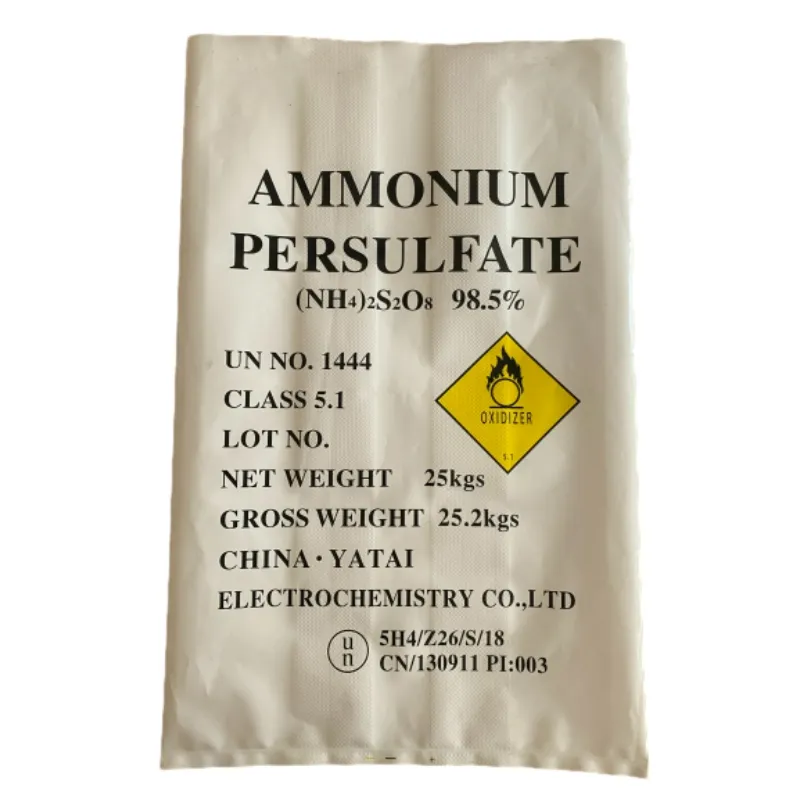
Figure 5: Example of customized PE pouches with high-quality printing.
Real-World Case Studies: Impact of pe packaging bag Solutions
The practical application of advanced pe packaging bag solutions consistently demonstrates tangible benefits for businesses across various sectors, leading to improved product quality, reduced operational costs, and enhanced market positioning. These case studies highlight the strategic value of partnering with an experienced pe plastic bags supplier.
Case Study 1: Extending Shelf Life for Premium Pet Food
A leading pet food manufacturer faced challenges with moisture degradation and oxidation affecting the freshness and nutritional value of their high-protein dry pet food. Their existing packaging offered inadequate barrier properties. Collaborating with a specialized pe plastic bags supplier, they transitioned to a multi-layer PA/PE plastic bag. This custom solution incorporated a high-barrier PA layer for oxygen and an internal PE layer for moisture protection and excellent seal integrity. The result was a 40% increase in product shelf life, a significant reduction in returns due to spoilage, and overwhelmingly positive customer feedback on product freshness. This allowed the manufacturer to expand their distribution network, reaching new markets effectively.
Case Study 2: Optimizing Logistics for Industrial Chemical Granules
An industrial chemical company, traditionally using rigid container111s for transporting polymer granules, sought to reduce shipping weight and optimize storage. They switched to heavy-duty pe packaging bag solutions, specifically large gusseted bags made from a thick LLDPE film. These custom pe bag packaging solutions offered superior puncture and tear resistance, essential for sharp granules, and were designed with reinforced seals for secure containment. The transition led to a 25% reduction in shipping costs per unit due to the lighter weight and improved cube utilization in transport. Furthermore, the flexible bags allowed for more efficient storage in warehouses, freeing up valuable space and streamlining inventory management.
Case Study 3: Enhancing Market Presence for Frozen Produce
A frozen vegetable supplier aimed to refresh its brand image and improve product visibility in competitive retail freezers. They partnered to develop custom-printed PE pouches. These pouches featured high-definition flexographic printing with vibrant, frost-resistant inks and a matte finish for a premium feel. The material, a specialized PE film, maintained flexibility and seal integrity at freezing temperatures while providing excellent moisture barrier. This strategic packaging upgrade resulted in a 15% increase in sales within the first six months post-launch, attributed to improved shelf appeal and perceived product quality, demonstrating the power of a well-designed pe packaging bag in a consumer-facing market.
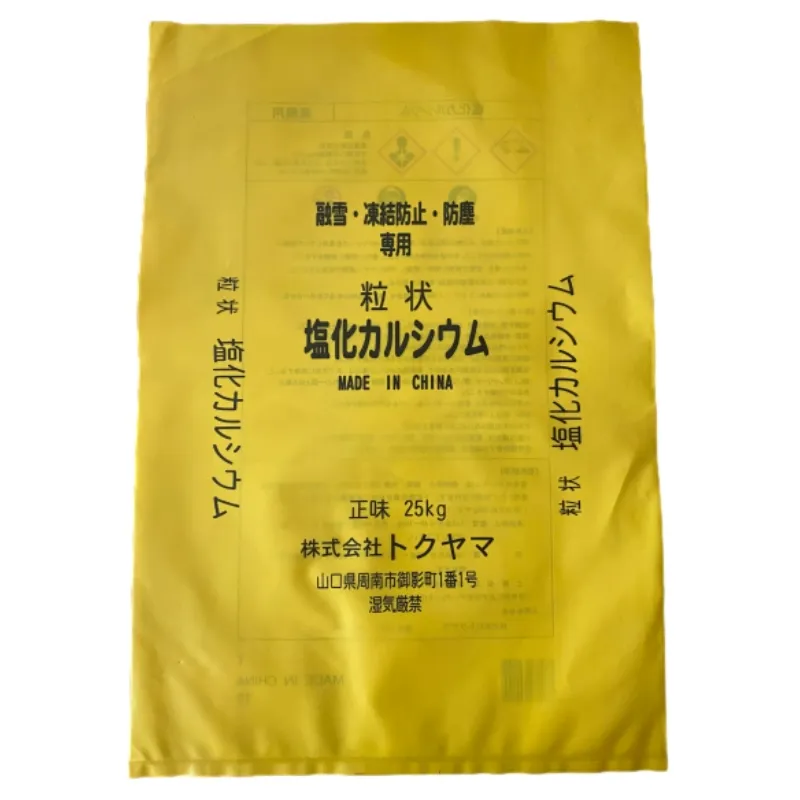
Figure 6: Diverse products packaged in high-performance PE bags.
Quality Assurance and Certifications
Commitment to quality is non-negotiable for any reputable pe plastic bags supplier. Our manufacturing facilities adhere to stringent quality management systems, evidenced by our ISO 9001 certification, which dictates rigorous process controls from raw material inspection to final product dispatch. For food-contact applications, our pe packaging bag solutions comply with FDA regulations, ensuring safety and suitability for direct food packaging. We also maintain certifications such as BRCGS Packaging Materials (if applicable), demonstrating adherence to global standards for packaging safety and quality. Every batch undergoes comprehensive testing, including seal integrity, burst strength, optical density of print, and specific barrier property measurements as per ASTM and ISO standards, ensuring that every pe bag packaging product meets or exceeds client expectations. Our expertise spans over a decade in delivering consistent, high-performance packaging solutions to a diverse portfolio of satisfied clients, including leading firms in the food, pharmaceutical, and chemical industries.
Lead Time, Warranty, and Customer Support
Understanding the operational requirements of B2B clients, we prioritize transparency and responsiveness in our service delivery for pe packaging bag solutions. Our typical lead time for custom orders ranges from 3-5 weeks, depending on complexity and order volume, with expedited options available for urgent requirements. Stock items or repeat orders often have significantly shorter lead times, typically 1-2 weeks. We stand behind the quality of our products with a comprehensive warranty against manufacturing defects and material non-conformance, ensuring peace of mind for our partners. Our dedicated customer support team, comprising experienced technical specialists and account managers, is available to provide expert guidance from initial consultation and design optimization through to post-delivery assistance. We offer real-time tracking, technical troubleshooting, and robust after-sales service to ensure seamless integration of our pe bag packaging into your supply chain.
Frequently Asked Questions (FAQ)
- Q1: What are the main types of PE used in flexible packaging, and what are their differences?
- A1: The primary types are Low-Density Polyethylene (LDPE), Linear Low-Density Polyethylene (LLDPE), and High-Density Polyethylene (HDPE). LDPE is known for its clarity and flexibility; LLDPE offers superior puncture and tear resistance; HDPE provides higher stiffness, better moisture barrier, and chemical resistance. The selection depends on the required strength, flexibility, and barrier properties for the specific pe packaging bag application.
- Q2: What are the benefits of using PA/PE plastic bags?
- A2: PA/PE plastic bags are multi-layer co-extruded films that combine the excellent gas barrier properties of Polyamide (PA) with the moisture barrier, flexibility, and heat-sealability of Polyethylene (PE). This combination significantly enhances shelf life by protecting products from oxygen degradation and moisture ingress, making them ideal for sensitive food products, medical devices, and chemical packaging.
- Q3: Are PE bags recyclable?
- A3: Yes, mono-material PE films and bags are widely recyclable through established recycling streams (often identified by resin code #2 or #4). The recyclability of complex multi-layer pe bag packaging depends on the specific material combination and regional recycling infrastructure. We actively develop and offer solutions with high recycled content and designs optimized for end-of-life recyclability.
- Q4: How do I determine the right size and thickness for my custom PE pouches?
- A4: Determining the optimal size and thickness involves considering the product's dimensions, weight, fragility, required shelf life, and shipping conditions. Our technical team works closely with clients to perform product analysis and recommend the ideal specifications for your custom pe packaging bag, balancing protection, cost-effectiveness, and sustainability.
- Q5: What is the minimum order quantity (MOQ) for custom-printed PE packaging?
- A5: MOQs for custom-printed pe packaging bag solutions vary depending on the complexity of the design, film type, and printing requirements. We encourage prospective clients to contact our sales team with their specific needs for a detailed quotation, as we strive to accommodate a range of business sizes and project scopes.
Conclusion
The versatility, performance, and evolving sustainability of the pe packaging bag establish it as an indispensable asset in modern B2B packaging strategies. From basic containment to advanced barrier solutions, PE-based products offer a robust, cost-effective, and highly customizable answer to a myriad of industry demands. By understanding the intricate manufacturing processes, leveraging tailored technical specifications, and partnering with a knowledgeable pe plastic bags supplier, businesses can unlock significant advantages in product preservation, logistical efficiency, and market differentiation. As global demands for sustainable and high-performance packaging continue to grow, innovation in PE technology will undoubtedly remain at the forefront, shaping the future of industrial and consumer goods protection.
Citations
- 1. European Bioplastics. (2023). Bioplastics Market Data. Retrieved from https://www.european-bioplastics.org/market/data/
- 2. ASTM International. (2023). Standard Test Methods for Flexible Barrier Materials. Retrieved from https://www.astm.org/
- 3. International Organization for Standardization. (2023). ISO 9001: Quality management systems. Retrieved from https://www.iso.org/iso-9001-quality-management.html
- 4. FDA. (2023). Code of Federal Regulations Title 21 - Food and Drugs, Part 177: Indirect Food Additives. Retrieved from https://www.accessdata.fda.gov/scripts/cdrh/cfdocs/cfcfr/cfrsearch.cfm?fr=177.1520
- 5. Grand View Research. (2023). Flexible Packaging Market Size, Share & Trends Analysis Report. Retrieved from https://www.grandviewresearch.com/industry-analysis/flexible-packaging-market

