Understanding the Advanced Pe Valve Bag Solutions for Industrial Applications
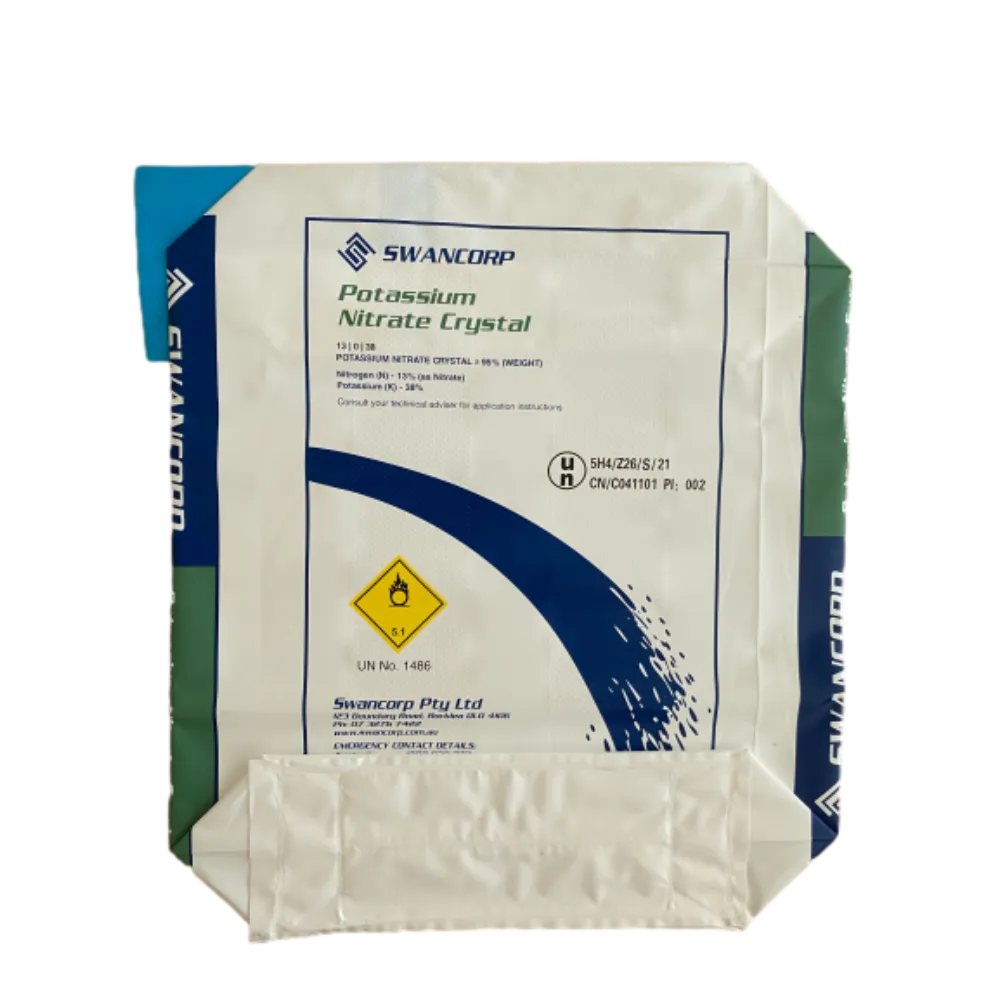
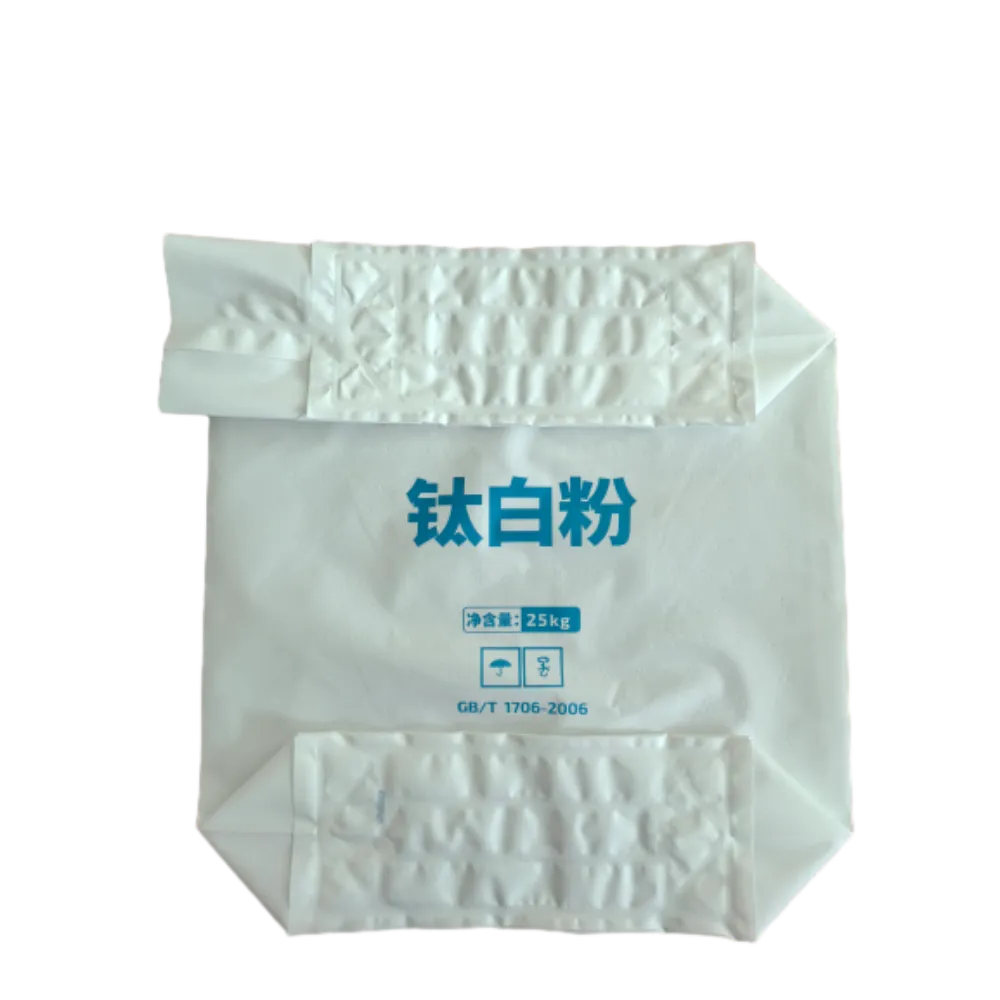
In the realm of industrial packaging, efficiency, durability, and product integrity are paramount. The Pe Valve Bag represents a critical advancement in meeting these demands, offering superior performance for a diverse array of powdered and granular materials. Engineered from high-density polyethylene (HDPE) or blended polyethylene (PE) formulations, these bags are designed for automated filling systems, minimizing spillage, reducing dust, and optimizing logistics in demanding B2B environments.
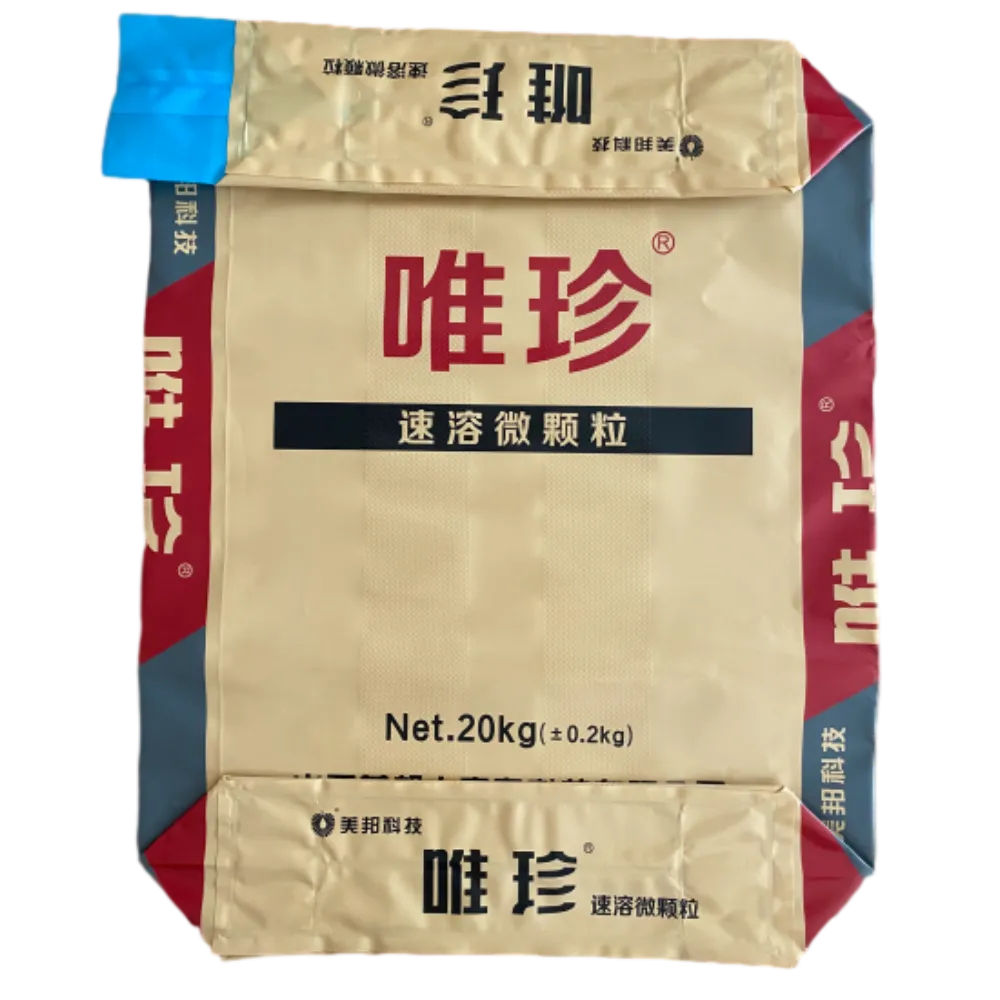
Industry Trends and Market Dynamics
The global industrial packaging market is experiencing significant growth, driven by increasing manufacturing output, rising demand for bulk goods, and stringent regulatory requirements for product safety and environmental impact. For solutions like the Pe Valve Bag, key trends include a growing emphasis on sustainability, achieved through the use of recyclable materials and lighter bag designs that reduce transportation emissions. Automation in packaging lines is also accelerating, demanding bags that are precisely manufactured for high-speed filling without compromising seal integrity or material containment. Furthermore, the adoption of smart packaging features, such as QR codes for traceability and anti-counterfeiting measures, is on the rise, enhancing supply chain transparency for B2B clients.
- Sustainability Initiatives: Shift towards mono-material PE structures to facilitate recycling, alongside incorporating post-consumer recycled (PCR) content.
- Automation Integration: Demand for consistent bag dimensions and robust valve designs compatible with advanced pneumatic and impeller filling systems.
- Enhanced Durability: Development of multi-layer co-extruded films offering superior puncture resistance and barrier properties against moisture and oxygen.
- Supply Chain Optimization: Lightweight designs contributing to lower freight costs and improved handling efficiency.
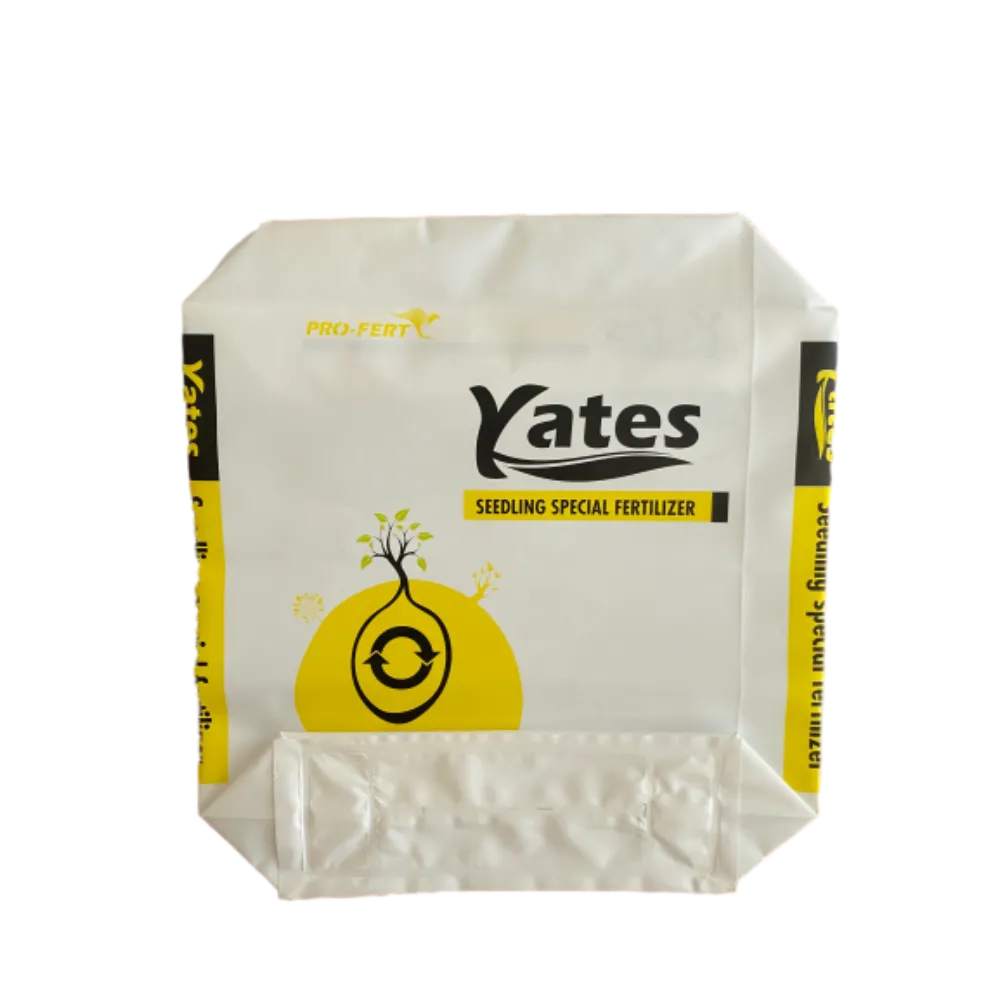
Manufacturing Process Flow and Quality Assurance
The production of high-performance PE valve bags involves a meticulously controlled multi-stage process, ensuring consistent quality and adherence to strict technical specifications.
Process Steps:
- Material Extrusion: High-grade PE resins (HDPE, LDPE, LLDPE, or co-extruded blends) are melted and extruded through a die to form a continuous film. This process precisely controls film thickness, tensile strength, and puncture resistance. Additives like UV stabilizers, slip agents, and anti-block masterbatches are incorporated during extrusion to enhance specific properties.
- Printing & Lamination (Optional): The extruded film can undergo flexographic or rotogravure printing for branding, product information, and regulatory compliance. For enhanced barrier properties or aesthetic requirements, lamination with other film layers may occur.
- Tube Formation & Side Gusseting: The printed film is then folded and heat-sealed longitudinally to form a continuous tube. Side gussets are simultaneously formed, which are critical for creating the block-bottom shape and stable stacking.
- Valve Insertion: Precision cutting and sealing equipment are used to create the valve opening (typically an internal or external sleeve valve) at the bag's corner. This valve is designed for one-way filling, ensuring material containment after filling.
- Cross Bottom Forming & Sealing: The continuous tube is cut to desired lengths, and the bottom is formed and securely heat-sealed, often in multiple layers, to create a robust block bottom that allows the bag to stand upright.
- Quality Control & Testing: Throughout the process, rigorous testing is conducted. This includes material composition analysis, film thickness uniformity, tensile and tear strength tests (ASTM D882, ASTM D1922), dart impact resistance (ASTM D1709), burst strength (Mullen burst test), seal integrity, and valve functionality. Bags are also inspected for dimensional accuracy and print quality.
- Packaging & Dispatch: Finished bags are bundled, palletized, and prepared for dispatch, often shrink-wrapped to protect against environmental factors during transit.
Target Industries & Advantages:
- Petrochemical: Packaging of polymers (e.g., PVC resin, polypropylene pellets), carbon black. Advantages: Corrosion resistance, excellent moisture barrier, robust for heavy materials.
- Metallurgy: Packing metal powders, ferroalloys. Advantages: High tear resistance, secure containment, dust-free handling, maintaining material purity.
- Construction: Cement, plaster, tile adhesives, dry mortar. Advantages: Energy saving (reduced spillage), weather resistance, stackability for efficient warehousing.
- Agriculture: Fertilizers, animal feed, seeds. Advantages: Moisture protection, pest resistance, extended shelf life for sensitive products.
- Food & Beverage: Starches, sugar, flour, food additives (with FDA-compliant materials). Advantages: Hygienic containment, contamination prevention, precise filling for consistent product weight.
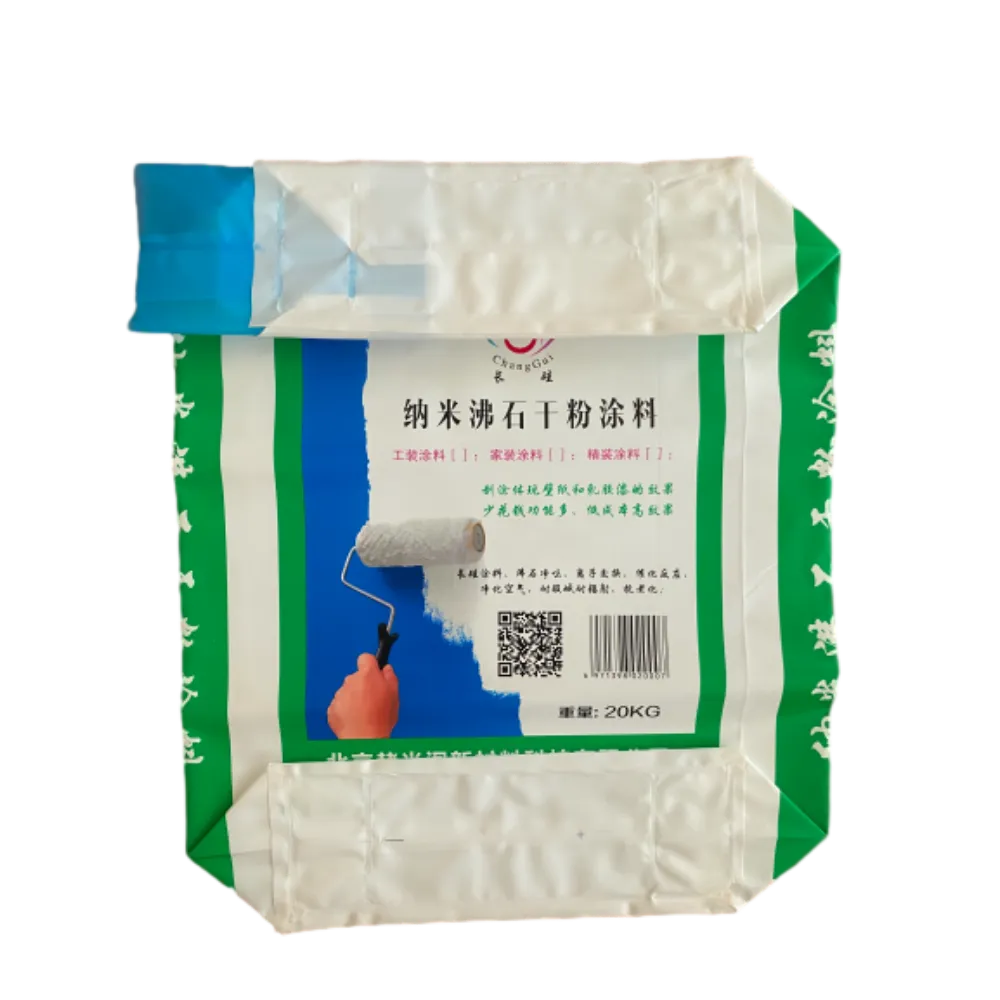
Technical Specifications and Performance Parameters
The performance of a Pe Valve Bag is defined by a range of critical technical parameters that ensure its suitability for demanding industrial applications. These specifications are crucial for B2B buyers evaluating packaging solutions.
Typical Product Specification Table:
| Parameter |
Value/Range |
Testing Standard |
| Material Composition |
HDPE, LDPE, LLDPE, or Co-extruded PE blends |
ISO 1133 |
| Film Thickness |
80 - 250 microns (µm) |
ASTM D6988 |
| Tensile Strength (MD/TD) |
≥ 25 MPa / ≥ 20 MPa |
ASTM D882 |
| Elongation at Break (MD/TD) |
≥ 400% / ≥ 500% |
ASTM D882 |
| Dart Impact Strength (Type A) |
≥ 300g (for 100µm film) |
ASTM D1709 |
| Tear Resistance (Elmendorf) |
≥ 150g/mil (MD), ≥ 200g/mil (TD) |
ASTM D1922 |
| Water Vapor Transmission Rate (WVTR) |
< 5 g/m²/24h (38°C, 90% RH) |
ASTM E96 |
| UV Resistance |
Up to 12 months outdoor exposure (with UV stabilizers) |
ASTM G154 / ISO 4892 |
| Bag Capacity |
10 kg - 50 kg (customizable) |
N/A (Design Specific) |
These parameters illustrate the robust engineering behind these bags, ensuring material protection, handling efficiency, and environmental resilience in varied industrial conditions.
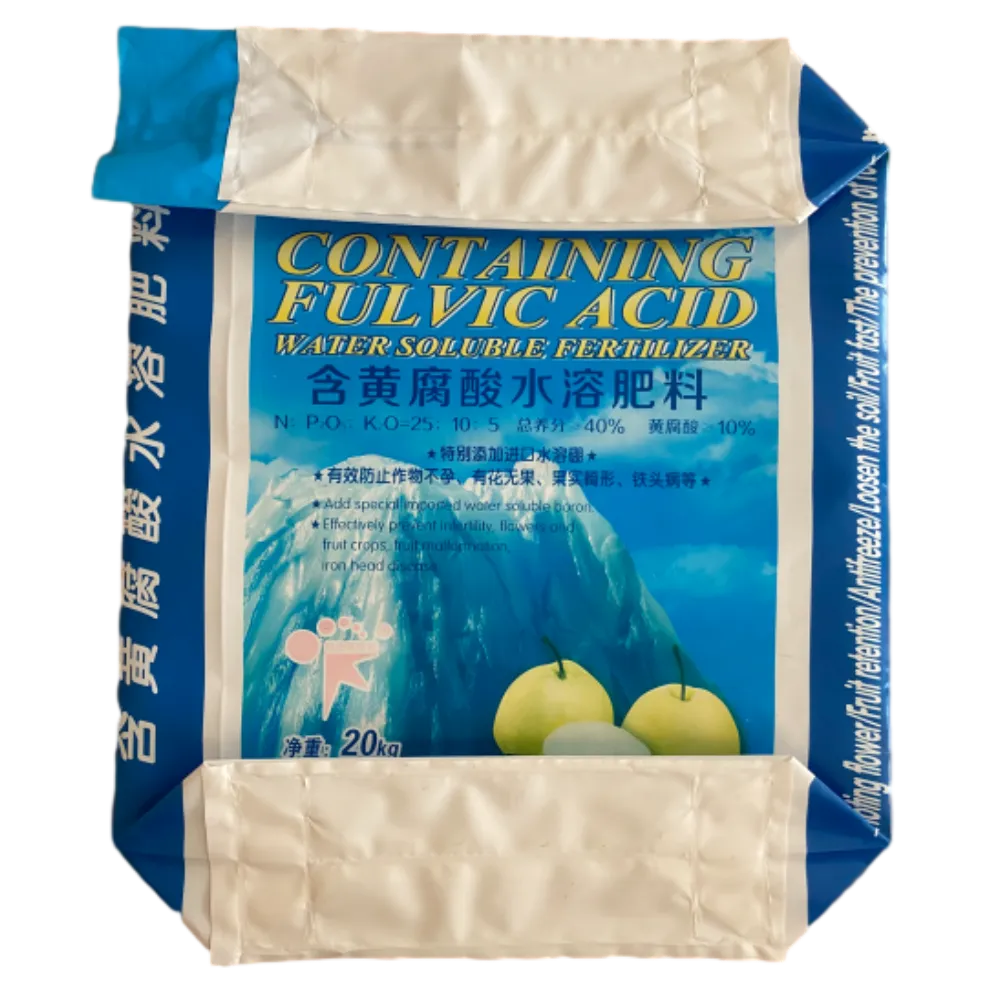
Application Scenarios Across Industries
The versatility of PE valve bags makes them indispensable across a wide spectrum of industrial applications where precise filling, robust protection, and efficient logistics are critical.
- Cement and Building Materials: Used for packaging various types of cement, tile adhesives, gypsum, and dry mortar mixes. Their strong seals prevent moisture ingress, crucial for maintaining product integrity in humid construction environments. The valve design allows for high-speed, automated filling, significantly boosting throughput in production facilities.
- Chemicals and Polymers: Ideal for fine chemical powders, granular polymers (e.g., PVC resin, polyethylene pellets), pigments, and additives. The excellent barrier properties of PE protect sensitive chemicals from atmospheric moisture and contaminants, while the durable construction ensures safe handling and transport of sometimes hazardous materials.
- Food Ingredients: For products like starch, sugar, flour, milk powder, and food additives, special food-grade PE valve bags compliant with FDA or equivalent standards are employed. These bags prevent contamination, maintain hygiene, and extend the shelf life of perishable ingredients due to their effective moisture and oxygen barriers.
- Agricultural Products: Packaging fertilizers, seeds, animal feed, and pest control granules. UV-stabilized versions offer prolonged outdoor storage capability, protecting contents from degradation due to sunlight exposure. The secure valve prevents spillage and waste, common issues with traditional open-mouth bags.
- Minerals and Mining: Used for mineral concentrates, industrial sands, and aggregates. The high tear and puncture resistance of PE valve bags are critical for containing heavy, abrasive materials and enduring rough handling conditions typical in mining operations.
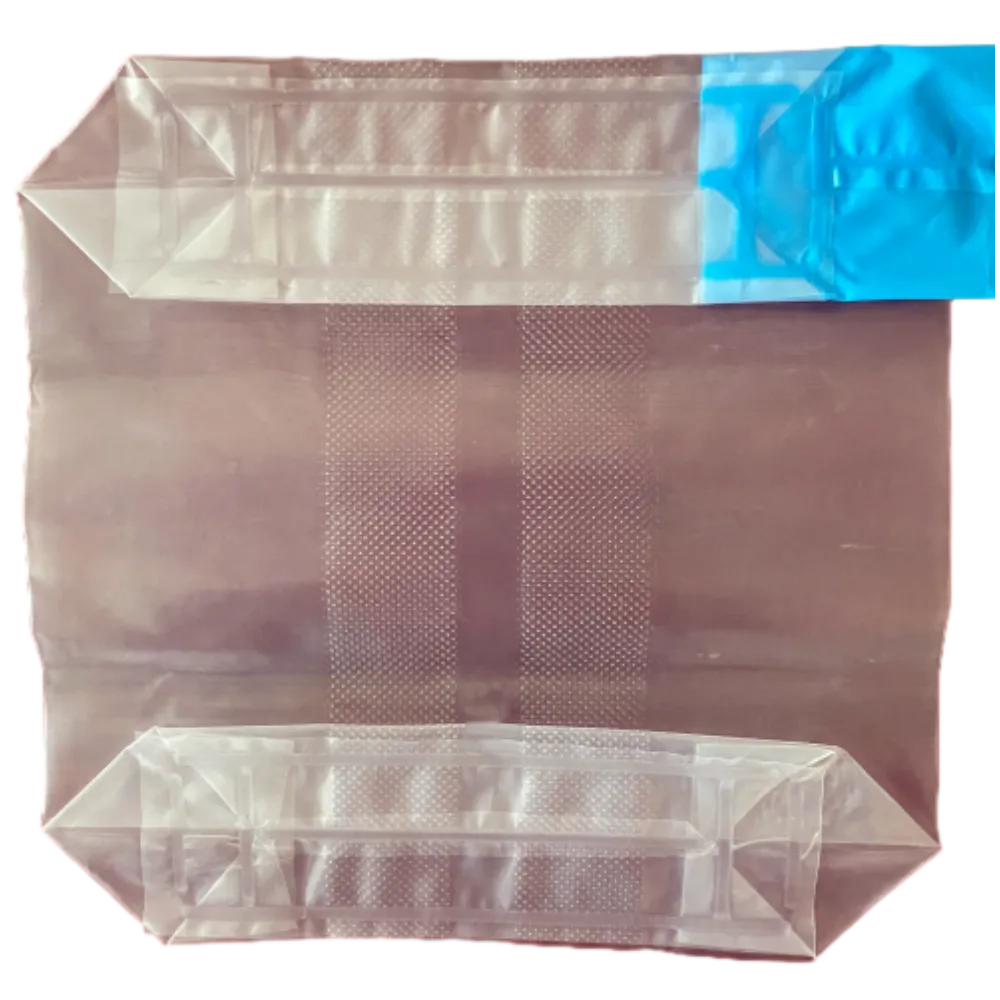
Key Technical Advantages
The adoption of the Pe Valve Bag offers a multitude of technical and operational advantages over conventional packaging solutions, directly impacting a company's bottom line and supply chain efficiency.
- Superior Moisture Barrier: PE inherently possesses excellent water vapor resistance. Multi-layer co-extruded bags can achieve WVTR values as low as 2-3 g/m²/24h, crucial for hygroscopic materials like cement, chemicals, and food ingredients, preventing caking and spoilage.
- Exceptional Durability and Puncture Resistance: Made from robust polymer films, these bags offer high tensile strength and tear resistance, minimizing bag breakage during handling, stacking, and transportation. This reduces product loss and enhances safety.
- Dust-Free and Efficient Filling: The integral valve mechanism allows for rapid, automated filling with minimal dust emission, improving workplace safety and cleanliness, and reducing product loss due to spillage. Once filled, the valve automatically seals, creating a secure package.
- Optimized Palletization and Stacking: The block-bottom design allows for stable, cuboid shapes when filled, optimizing pallet space utilization and enhancing stability during transport and storage. This can lead to significant reductions in logistics costs.
- Enhanced Product Shelf Life: The combination of strong seals, effective barrier properties, and optional UV stabilization significantly extends the shelf life of packaged goods, protecting them from environmental degradation.
- Printability and Branding: The smooth surface of PE film provides an excellent substrate for high-quality graphics and branding, turning the packaging into an effective marketing tool.
- Recyclability: Modern mono-material PE valve bags are designed for recyclability, aligning with corporate sustainability goals and reducing environmental impact, especially when post-consumer recycled (PCR) content is incorporated.
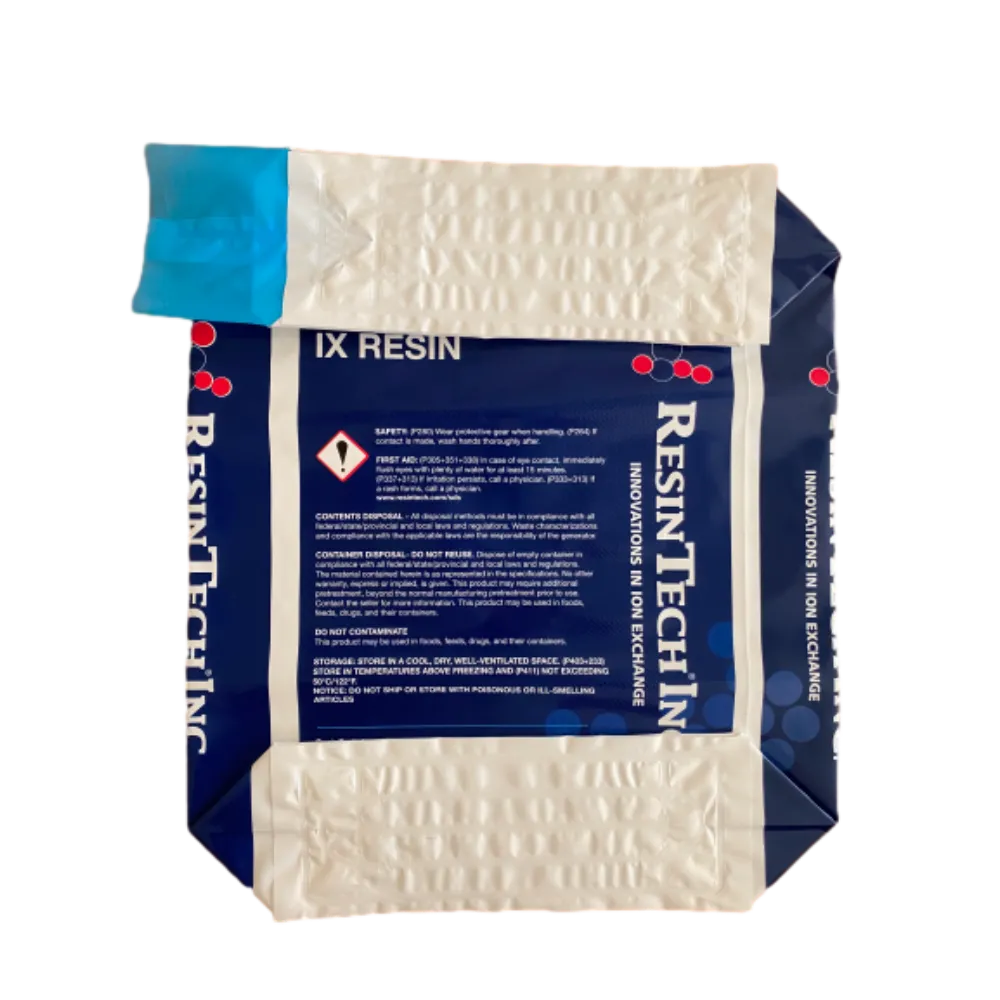
Vendor Comparison: Selecting the Right Partner
Choosing the right supplier for PE valve bags is a strategic decision that impacts product quality, supply chain reliability, and cost-effectiveness. A comprehensive comparison goes beyond initial price points.
Key Comparison Criteria:
| Criterion |
Vendor A (Example: High Volume, Standard) |
Vendor B (Example: Specialized, Custom) |
Our Offering |
| Material Quality & Sourcing |
Standard virgin HDPE/LDPE. |
Premium co-extruded films, specific blends (e.g., bio-PE, PCR options). |
Virgin & Sustainable options, fully traceable. |
| Customization Capabilities |
Limited sizes, basic printing. |
Full range of sizes, advanced graphics, special valve types. |
Extensive customization for size, print, valve, additives. |
| Certifications & Compliance |
ISO 9001. |
ISO 9001, FDA (for food-grade), REACH, BRCGS. |
ISO 9001, Environmental Certifications, FDA-compliant options. |
| Lead Time & Order Flexibility |
Standard lead times (4-6 weeks), high MOQ. |
Slightly longer lead times (6-8 weeks) for custom, lower MOQ. |
Competitive lead times (3-5 weeks), flexible MOQ. |
| Technical Support & R&D |
Basic support, limited R&D. |
Dedicated technical team, continuous R&D. |
Expert technical consultation, ongoing innovation. |
| Cost-Effectiveness (overall TCO) |
Low unit price, potential for higher hidden costs (breakage, spoilage). |
Higher unit price, lower operational costs, premium product protection. |
Optimal balance of quality, performance, and long-term value. |
Our commitment lies in providing robust solutions backed by extensive industry experience and certifications, ensuring peace of mind for our partners.
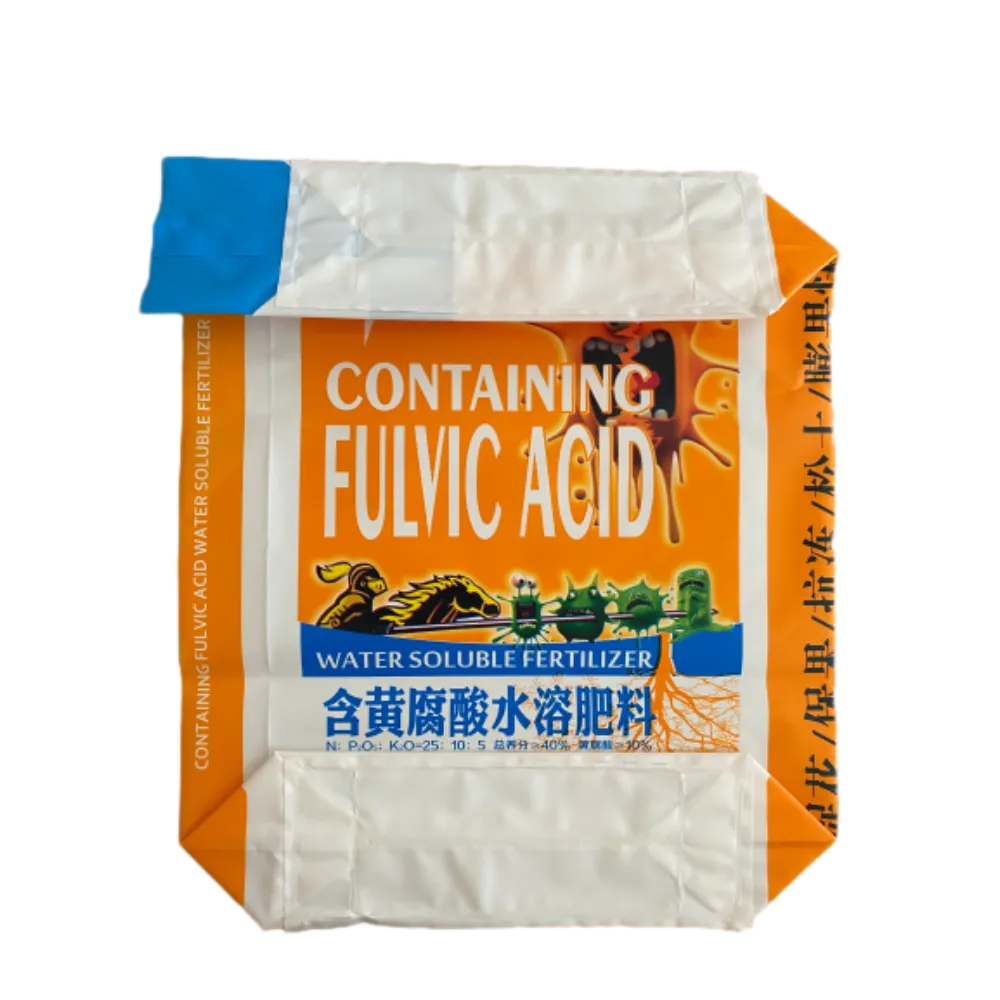
Customized Solutions for Unique Requirements
Understanding that every industrial application has unique requirements, we offer extensive customization options for the Pe Valve Bag. This ensures that the packaging precisely meets the specific needs of the product, filling equipment, and logistical chain.
- Dimensions and Capacity: Bags can be manufactured in a wide range of sizes, from 10 kg to 50 kg or more, with customizable width, length, and gusset dimensions to perfectly fit product volume and pallet configurations.
- Material Composition: Tailored PE blends (e.g., HDPE, LDPE, LLDPE, or multi-layer co-extrusions) can be formulated to achieve specific properties such as enhanced puncture resistance, increased stiffness for better stacking, or superior barrier properties against moisture, oxygen, or UV light.
- Valve Types: Various valve designs are available, including internal tuck-in sleeves, external sleeves, and ultrasonic sealed valves, to optimize filling speed, dust control, and seal integrity for different product consistencies (fine powders vs. granules).
- Additives and Special Features:
- UV Stabilizers: For products stored outdoors, ensuring bag integrity and product protection.
- Anti-Slip Coatings: To improve pallet stability and reduce shifting during transit.
- Anti-Static Agents: Critical for packaging highly combustible powders.
- Breathable Films: For products requiring air circulation while maintaining particle containment.
- Printing and Branding: High-definition flexographic printing up to 8 colors allows for complex graphics, branding, product information, and QR codes for traceability.
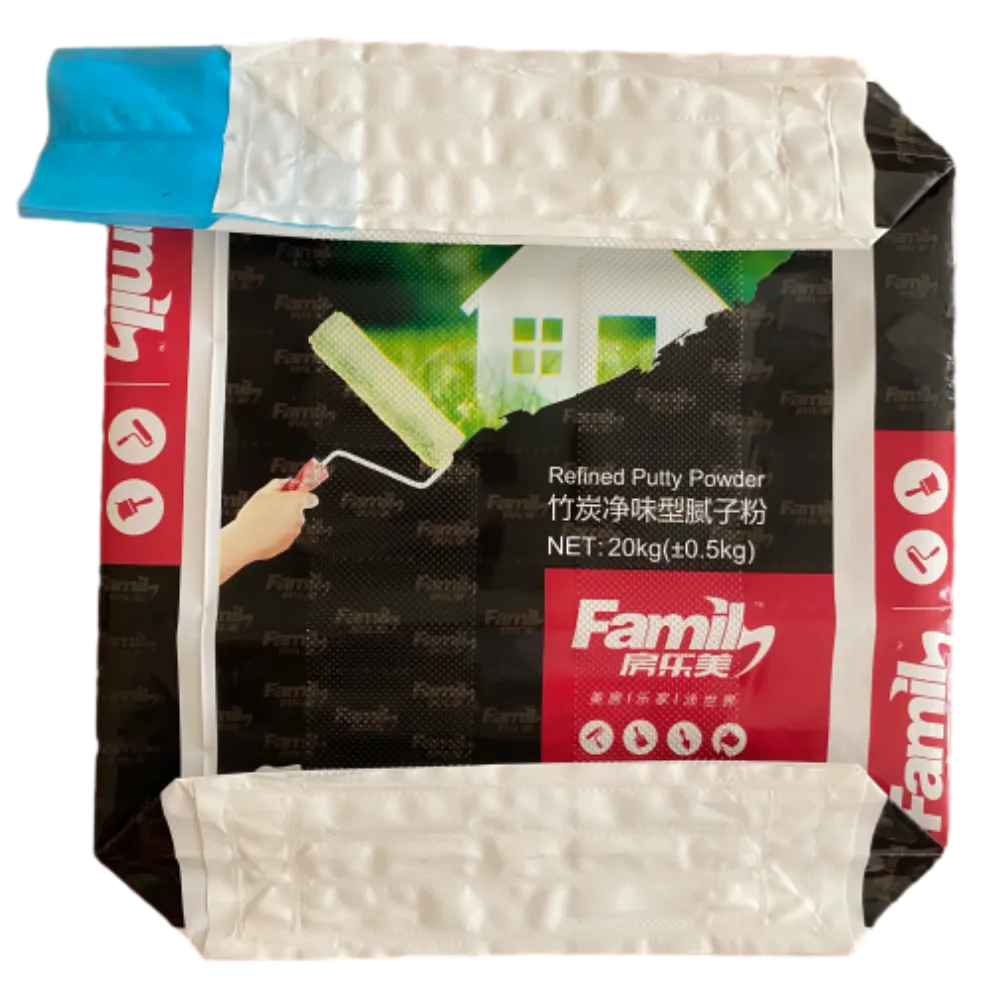
Application Case Studies
Case Study 1: Cement Manufacturer
A large European cement manufacturer faced significant challenges with moisture ingress and bag breakage using traditional paper valve bags, leading to material spoilage and customer complaints. They also sought to improve filling line efficiency.
- Solution: Implemented a custom-designed, multi-layer Pe Valve Bag with enhanced moisture barrier properties and increased film thickness for superior tear resistance. The bags were dimensionally optimized for their high-speed rotary packing machines.
- Results: Over a 12-month period, moisture-related product spoilage was reduced by 95%, and bag breakage incidents during transit and handling decreased by 80%. Filling line speeds increased by 15% due to the consistent bag quality and valve design, resulting in significant operational cost savings and improved customer satisfaction.
Case Study 2: Chemical Pigment Producer
A specialty chemical company producing fine pigments experienced dust contamination and product loss during the packaging of highly valuable and fine powders. They required a packaging solution that would ensure maximum product purity and minimal environmental release.
- Solution: Adopted PE valve bags with a specialized internal sleeve valve, designed to create an airtight seal immediately after filling. The bag material included an anti-static additive to prevent static buildup during filling of fine powders.
- Results: Dust emissions during packaging were virtually eliminated, creating a cleaner and safer working environment. Product loss due to spillage and airborne particles decreased by over 90%, leading to substantial material cost savings. Customer feedback highlighted improved product integrity and ease of handling.
Frequently Asked Questions (FAQ)
Q: What materials are your PE valve bags made from?
A: Our bags are primarily made from high-grade polyethylene (PE), including HDPE, LDPE, LLDPE, and custom co-extruded blends, depending on the required properties like strength, flexibility, and barrier performance. We also offer options with recycled content.
Q: Are these bags suitable for food-grade applications?
A: Yes, we offer PE valve bags specifically manufactured with FDA-compliant resins and produced under strict hygiene standards, making them suitable for various food ingredients and sensitive products.
Q: What is the typical lead time for an order?
A: Standard orders typically have a lead time of 3-5 weeks from order confirmation. Custom designs or large-volume orders may require slightly longer, which will be communicated clearly during the quotation process.
Q: What kind of warranty do you offer on your products?
A: We stand by the quality of our PE valve bags. We offer a warranty against manufacturing defects and non-conformance to agreed-upon specifications. Specific terms will be detailed in your contract.
Q: How do you ensure consistent quality?
A: Our manufacturing facilities adhere to ISO 9001 quality management standards. We implement rigorous in-process and final product testing, including material composition analysis, physical property tests (tensile, tear, dart impact), and seal integrity checks, ensuring every batch meets our high-performance criteria.
Customer Support and Fulfillment:
Our dedicated customer support team is available to assist with technical inquiries, order tracking, and after-sales service. We provide comprehensive technical consultation to help clients select the optimal packaging solution and ensure seamless integration with their existing filling lines. Our global logistics network ensures timely and reliable delivery.
Authoritative References
- ASTM International. (Latest Editions). Various standards for plastic film and sheeting properties (e.g., D882, D1709, D1922). ASTM Standards.
- International Organization for Standardization (ISO). (Latest Editions). ISO 9001: Quality management systems – Requirements. ISO Standards.
- Smith, J. (2022). Innovations in Polyethylene Packaging for Industrial Applications. Journal of Packaging Technology and Research, 12(3), 187-201.
- European Plastic Converters (EuPC). (2023). Report on Sustainable Packaging Trends in Europe. EuPC Publications.
- Packaging World Magazine. (Monthly Issues). Industry insights and technological advancements in industrial packaging.

