Fertilizer And Pesticide Packaging Bags: field-tested, factory-smart
If you’ve ever lost a pallet to torn sacks or caking, you know how much a reliable
fertilizer packaging bag
matters. From my site visits in Xiongan New Area to farm co-ops in Southeast Asia, I keep hearing the same thing: consistency beats flashy features. Junlan’s team in the Xiongxian Economic Development Zone (East Zone), Hebei, leans into that—practical engineering, clean prints, and delivery that’s on time more often than not.
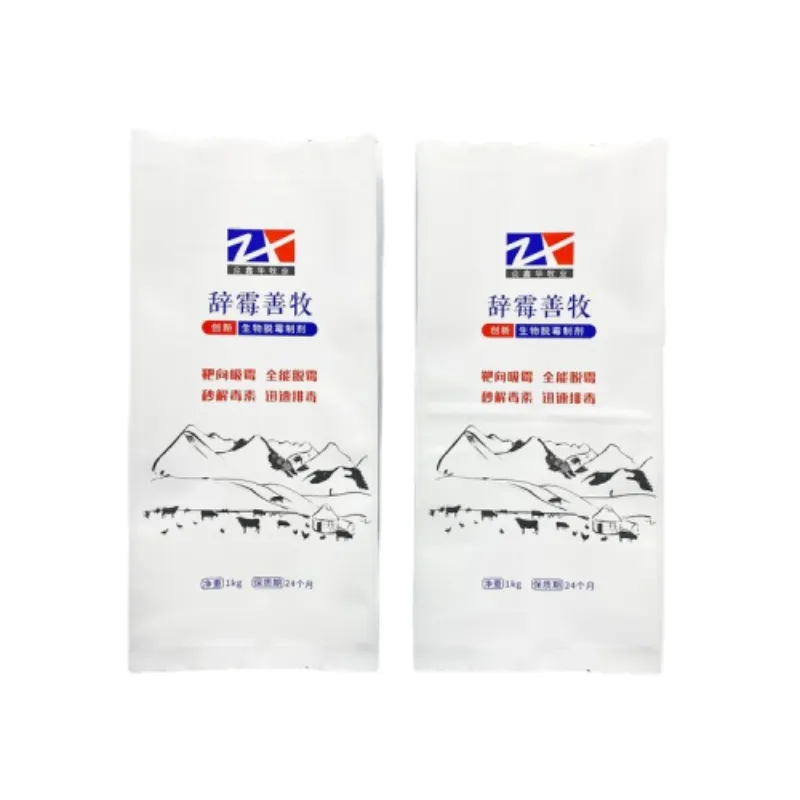
What’s trending in agri-packaging right now
- Shift to laminated WPP (BOPP+PP) for 10–50 kg fertilizers—print clarity with shed-proof strength.
- Rise of heavy-duty FFS mono-PE for automated lines; recyclability matters.
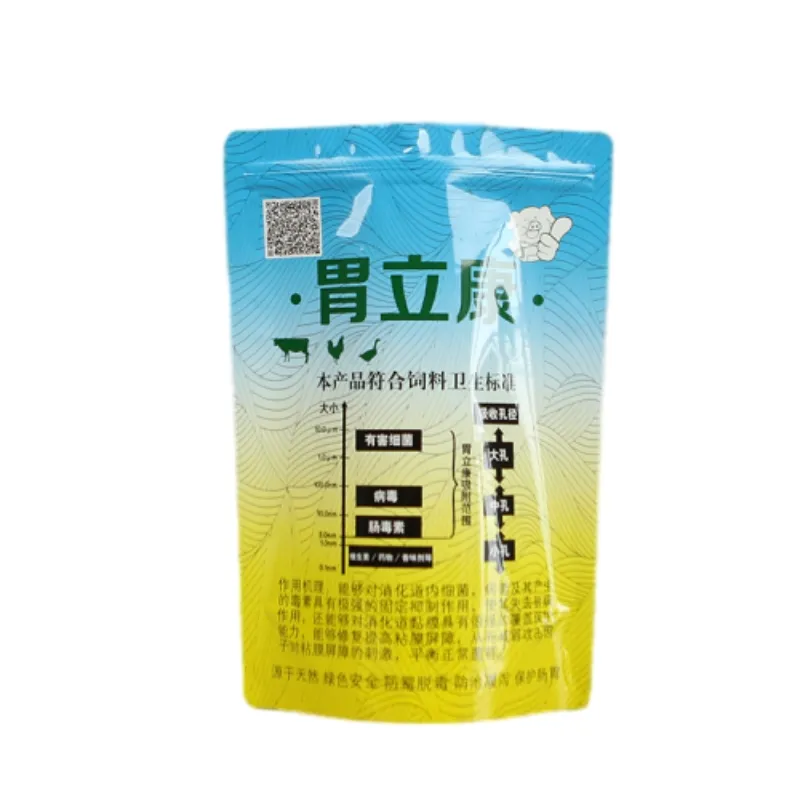
- For concentrates and pesticides: high-barrier pouches (PET/AL/NY/PE), child-resistant closures, and traceable QR/UIDs.
- UV-stabilized outdoor storage life (≈12–24 months) is now baseline in many markets.
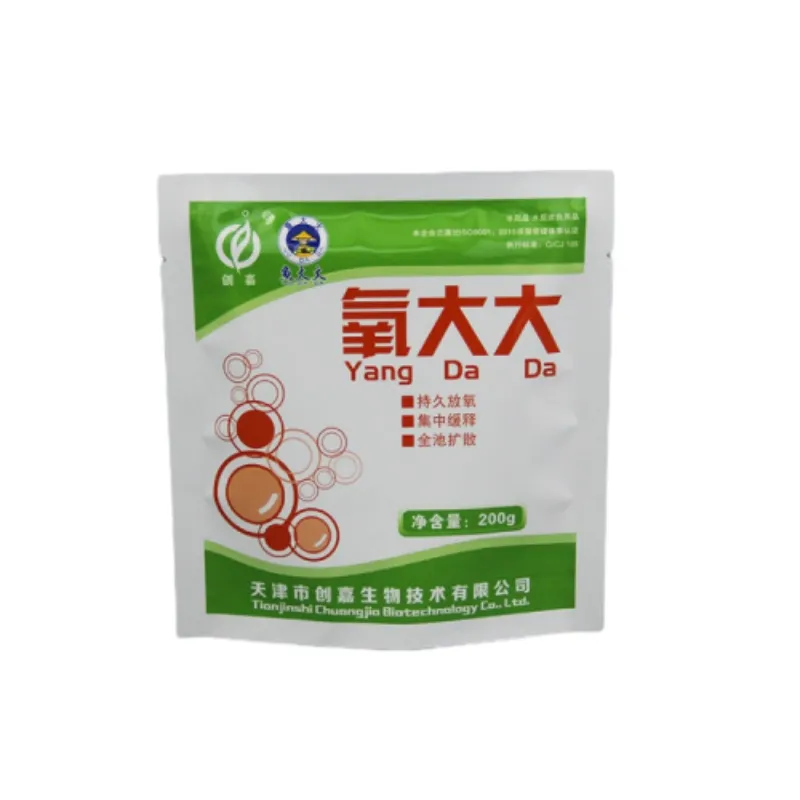
Materials and process flow (quick but thorough)
Materials: BOPP/PP woven (most fertilizers), mono-PE heavy-duty films (FFS), kraft/PE laminates, and PET/AL/NY/PE for pesticide barrier.
Methods: extrusion lamination, rotogravure or HD flexo (up to 10 colors), corona treatment, anti-slip coating, gusseting, valve or open-mouth.
Testing: ASTM D882 tensile, ASTM D1709 dart impact, ASTM D5276 drop; for certain pesticide SKUs, UN-style performance tests (when needed).
Service life: outdoor storage with UV masterbatch (≈12–24 months; real-world use may vary).
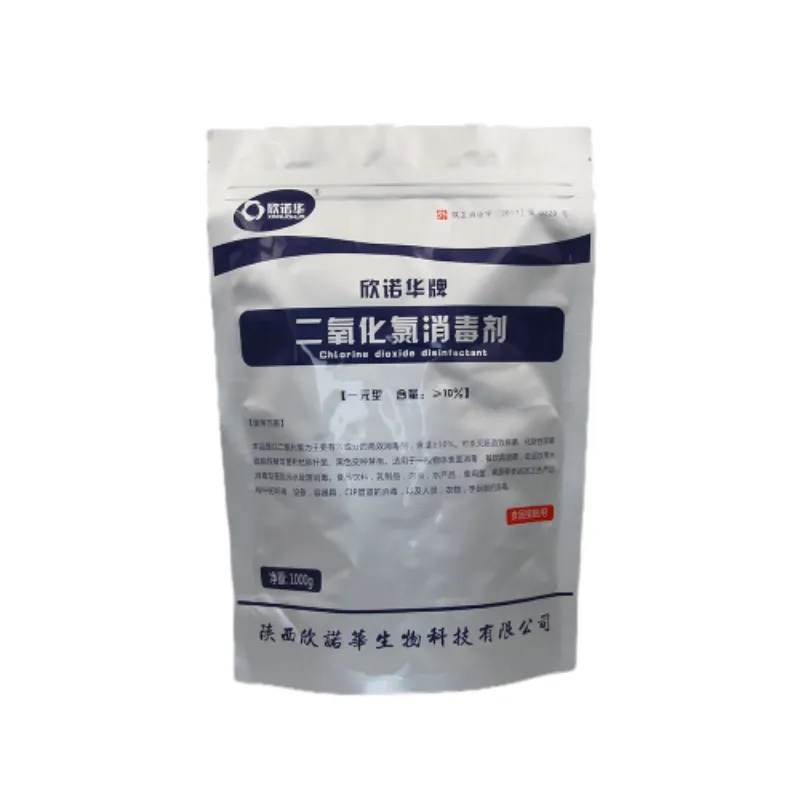
Specification snapshot
| Parameter |
Typical Range (≈) |
Notes |
| Capacity |
1–50 kg (fertilizer); 100 ml–5 L (pesticide) |
Stand-up, flat, valve, FFS. |
| Structure |
BOPP/PP WPP; PET/AL/NY/PE; Mono-PE |
Barrier tailored by product chemistry. |
| Tensile (D882) |
MD ≥ 50 N/15 mm; TD ≥ 45 N/15 mm |
Real shipments are batch-tested. |
| Dart impact (D1709) |
≥ 180 g (films), ≥ 500 g (heavy-duty) |
Helps reduce drop damage. |
| Printing |
Up to 10 colors |
Matte/gloss, anti-counterfeit QR. |
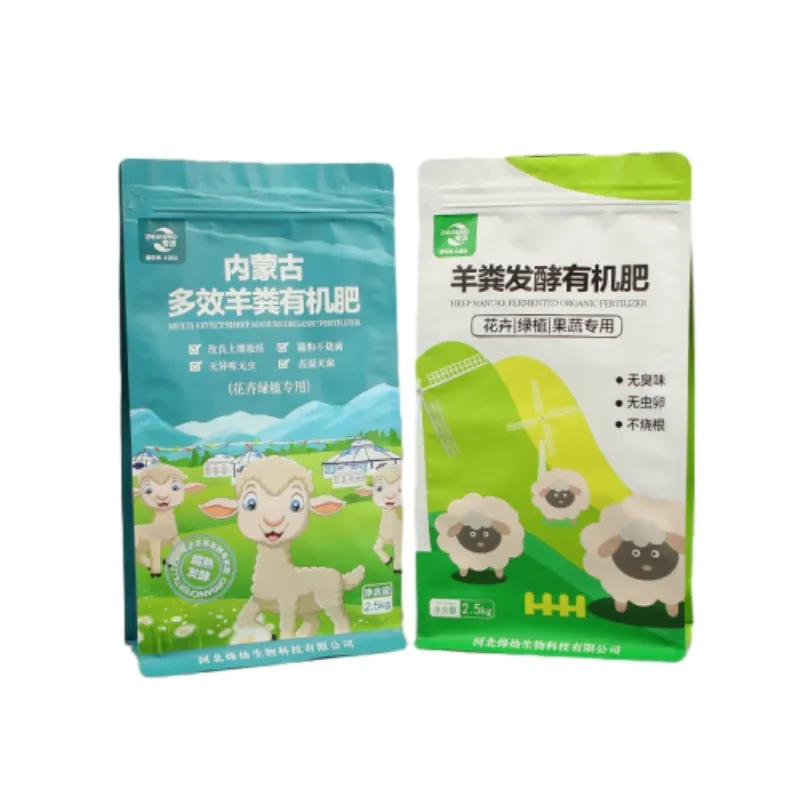
Applications and advantages
Use cases: NPK blends, urea, ammonium sulfate, water-soluble fertilizers, seed treatments, EC/SC/SL pesticide formulations, biologicals.
Advantages I’ve seen in the field: cleaner pallets (anti-slip), fewer burst failures, clearer branding, and—surprisingly—less caking thanks to tighter seams and better moisture control. Many customers say their warehouse complaints have dropped “way down” after switching to fertilizer packaging bag SKUs with UV add-on and gusset reinforcement.
Vendor comparison (what buyers quietly check)
| Vendor |
Certifications |
Lead Time |
MOQ |
Notes |
| Junlan (Xiongan, Hebei) |
ISO 9001, ISO 14001; food-contact options |
≈ 12–20 days |
≈ 10,000 bags |
Strong print QC; UV/anti-slip standard. |
| Generic Trader |
Varies |
20–35 days |
High |
Unknown factory source. |
| Local Converter |
Often ISO 9001 |
7–25 days |
Low–medium |
Fast, but limited barrier options. |
Customization and compliance
Custom sizes (1–50 kg), matte/gloss, valve or open-mouth, zipper/spout for pesticide, anti-counterfeit prints, color-matched brand palettes. Labels can meet FAO/WHO pesticide guidance. Where required, UN performance packaging can be arranged; do check your formulation’s classification first.
Two quick case notes
- Southeast Asia fertilizer blender: switched to WPP BOPP-laminate 25 kg. Pallet collapse claims down ≈38% over 2 seasons; fewer tears on forklift entry.
- Latin America pesticide brand: PET/AL/PE stand-up pouches with child-resistant caps. Leak rate on line trials: 0.06% vs 0.4% prior.
To be honest, packaging is never “set and forget.” But a well-built fertilizer packaging bag gives you quieter warehouses, happier distributors, and sharper shelves.
Authoritative references
- ASTM D882, D1709, D5276 – Film tensile, impact, and drop testing standards.
- FAO/WHO Guidelines on Good Labelling Practice for Pesticides.
- UN Recommendations on the Transport of Dangerous Goods, Model Regulations.
- ISO 9001:2015; ISO 14001:2015 – Quality and environmental management systems.

