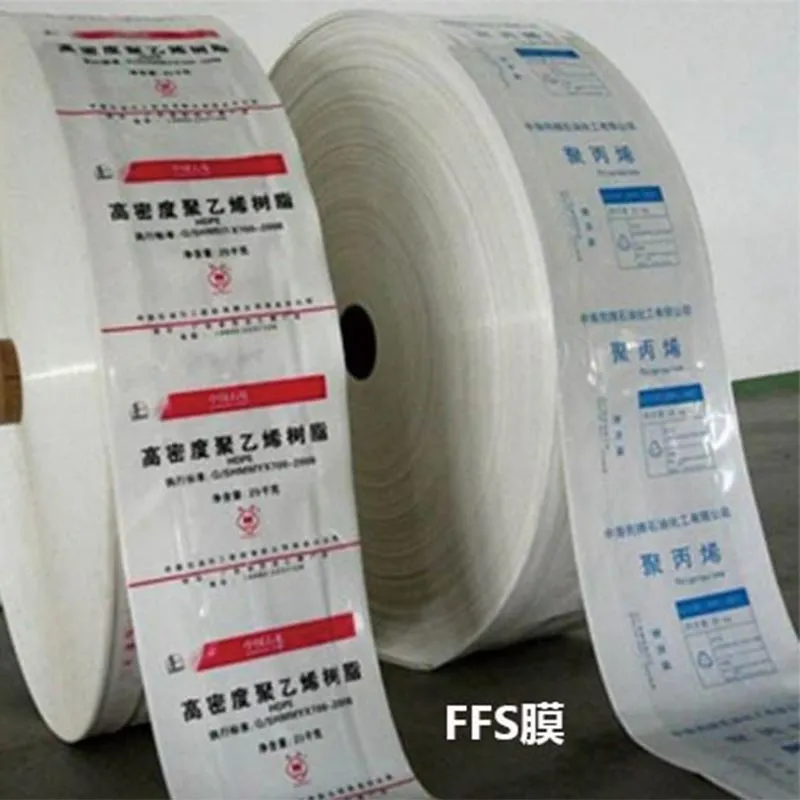
FFS Coated Film has emerged as a game-changer in the packaging industry, particularly for heavy-duty applications. Designed to handle solid particles or powdered materials weighing between 10 to 50 kilograms, this advanced packaging solution is most commonly used for 25-kilogram bags, earning it the nickname "25-kilogram bags." With its unique properties and adaptability to high-speed automated packaging systems, FFS Coated Film is rapidly replacing traditional woven packaging bags. This article explores the features, technical specifications, applications, and company background of this innovative product, while also referencing authoritative standards from the National Institute of Standards and Technology (NIST) to validate its reliability and performance.
Understanding FFS Coated Film: A Modern Packaging Solution
FFS (Form-Fill-Seal) technology has transformed the way industries handle packaging. Unlike conventional methods, FFS Coated Film is engineered for one-time molding, eliminating the need for multiple steps and reducing material waste. This process ensures no pollution, low labor costs, and excellent sealing and moisture resistance. The film’s ability to withstand high-speed automated operations makes it ideal for sectors such as agriculture, chemicals, and pharmaceuticals, where efficiency and durability are paramount.
Hebei Junlan Packaging Technology Co., LTD., the manufacturer of this product, has positioned itself as a leader in sustainable and high-performance packaging solutions. Their expertise in paper and plastic composite materials has enabled the development of FFS Coated Film that meets the rigorous demands of modern industrial applications.
Key Features and Advantages of FFS Coated Film
FFS Coated Film is distinguished by its exceptional mechanical properties and functional benefits. Below are the core advantages that make it a preferred choice in heavy-duty packaging:
- Excellent Toughness: The film’s high tensile strength reduces the breakage rate during transportation and storage, ensuring the integrity of the packaged material.
- Low Heat Sealing Temperature: This feature minimizes energy consumption during the sealing process, making it cost-effective and environmentally friendly.
- Impact and Puncture Resistance: Engineered to withstand rough handling, the film protects contents from damage caused by accidental impacts or sharp objects.
- Surface Roughness Treatment: This enhances the film’s grip, preventing slippage during automated packaging operations and improving overall efficiency.
- Moisture and Sealing Resistance: The coated surface acts as a barrier against humidity and contaminants, preserving the quality of sensitive materials like chemicals and food products.
These attributes not only enhance the durability of the packaging but also align with sustainability goals by reducing material waste and energy usage. For instance, the low heat sealing temperature directly contributes to energy conservation, a critical factor in today’s eco-conscious manufacturing landscape.
Technical Specifications of FFS Coated Film
| Parameter |
Specification |
| Weight Capacity |
10–50 kg (standard: 25 kg) |
| Material Composition |
Multi-layer polymer composite with coating |
| Heat Sealing Temperature |
120–150°C (adjustable based on application) |
| Tensile Strength |
≥20 MPa (longitudinal), ≥15 MPa (transverse) |
| Impact Resistance |
≥500 g·cm (ASTM D1709 standard) |
| Moisture Barrier |
Water vapor transmission rate
|
| Surface Treatment |
Anti-slip and roughened for enhanced grip |
These specifications highlight the precision engineering behind FFS Coated Film. The multi-layer polymer composite ensures a balance between flexibility and strength, while the coating provides critical moisture resistance. For reference, the National Institute of Standards and Technology (NIST) emphasizes the importance of material testing in packaging design to ensure compliance with industry standards. According to NIST, "Accurate measurement of material properties is essential to guarantee the performance and safety of packaging solutions" (NIST). This aligns with the rigorous testing protocols followed by Hebei Junlan Packaging Technology Co., LTD. during product development.
Applications of FFS Coated Film
The versatility of FFS Coated Film makes it suitable for a wide range of industries. Some of its primary applications include:
- Chemical Industry: Packaging of fine chemicals, fertilizers, and industrial powders that require moisture and contamination protection.
- Agriculture: Secure storage and transportation of seeds, pesticides, and animal feed, where impact resistance is critical.
- Pharmaceuticals: Protection of sensitive drug powders and tablets from environmental factors, ensuring product integrity.
- Food Industry: Packaging of dry food products like flour, sugar, and spices, where hygiene and moisture resistance are non-negotiable.
For example, in the chemical sector, FFS Coated Film’s low heat sealing temperature and moisture resistance make it ideal for packaging fine chemicals that are prone to degradation. This is corroborated by NIST’s research on packaging materials for hazardous substances, which underscores the need for robust and reliable containment solutions (NIST).
Company Background: Hebei Junlan Packaging Technology Co., LTD.
Hebei Junlan Packaging Technology Co., LTD. is a leading manufacturer of sustainable and high-performance packaging solutions. With a focus on innovation and quality, the company has established itself as a trusted partner for industries requiring heavy-duty packaging. Their expertise in paper and plastic composite materials has enabled the development of FFS Coated Film, which combines durability, efficiency, and environmental responsibility.
The company’s commitment to continuous improvement is evident in its adherence to international standards. For instance, FFS Coated Film undergoes rigorous testing to meet ISO 9001 and ISO 14001 requirements, ensuring quality control and environmental sustainability. This aligns with NIST’s role in promoting standardization and measurement science to support industrial innovation (NIST).
Hebei Junlan Packaging Technology Co., LTD. also emphasizes customer-centric solutions, offering customized packaging options to meet specific industry needs. Their 24/7 technical support and prompt delivery services further enhance their reputation as a reliable supplier in the global market.
Why Choose FFS Coated Film?
FFS Coated Film stands out in the competitive packaging market due to its unique combination of features and cost-effectiveness. Here’s a breakdown of its key benefits:
- Cost Efficiency: The one-time molding process reduces labor costs and material waste, making it a budget-friendly solution for high-volume production.
- Environmental Sustainability: The film’s low energy consumption and recyclable materials align with global sustainability goals.
- High-Speed Compatibility: Its design allows seamless integration with automated packaging lines, boosting operational efficiency.
- Superior Protection: The impact and moisture resistance ensure long-term product safety during transit and storage.
These advantages make FFS Coated Film an ideal choice for industries seeking reliable, scalable, and eco-friendly packaging solutions. As NIST highlights, "The adoption of advanced materials and technologies in packaging is crucial for meeting the evolving demands of modern industries" (NIST).
Conclusion
In conclusion, FFS Coated Film represents a significant advancement in heavy-duty packaging technology. Its robust features, technical excellence, and environmental benefits make it a superior alternative to traditional packaging materials. By partnering with Hebei Junlan Packaging Technology Co., LTD., industries can access innovative solutions that enhance efficiency, sustainability, and product safety.
For more information about FFS Coated Film, visit the product page here. To learn more about Hebei Junlan Packaging Technology Co., LTD., explore their company profile here.
References
National Institute of Standards and Technology (NIST) (2025). Packaging Materials and Standards. Retrieved from https://www.nist.gov/

