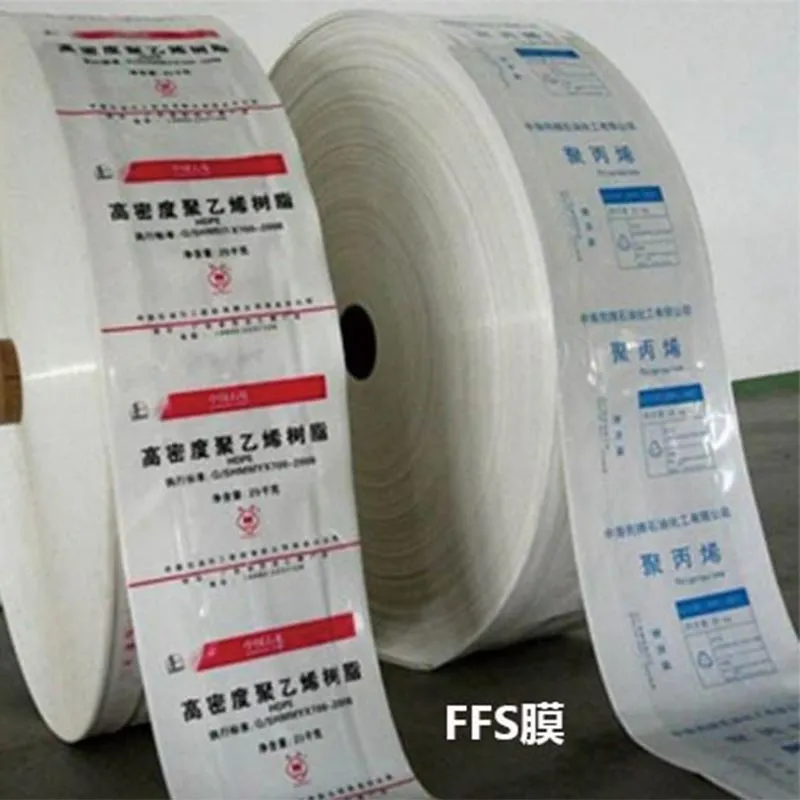
In the dynamic world of industrial packaging, FFS Coated Film stands out as a groundbreaking solution for handling solid particles and powdered materials. Developed by Hebei Junlan Packaging Technology Co., LTD., this advanced packaging technology is redefining industry standards with its exceptional performance, sustainability, and cost-effectiveness. This article explores the core features, technical specifications, and real-world applications of FFS Coated Film, while also highlighting the company's commitment to innovation and quality.
Understanding FFS Coated Film: A Game-Changer in Packaging
FFS Coated Film (Form-Fill-Seal Coated Film) is specifically designed for heavy-duty packaging applications. It is commonly used to transport solid particles or powdered materials weighing between 10-50 kilograms, with 25-kilogram packaging being the most prevalent. This makes it a preferred choice for industries dealing with bulk materials, such as chemicals, agriculture, and construction. The film's unique properties allow it to replace traditional woven packaging bags, offering a more efficient and environmentally friendly alternative.
One of the key advantages of FFS Coated Film is its ability to be used in high-speed automatic packaging systems. This not only enhances production efficiency but also reduces labor costs. The film is manufactured through a one-time molding process, ensuring no pollution during production. Its material-saving design further contributes to sustainability, making it a responsible choice for eco-conscious businesses.
Key Features and Advantages of FFS Coated Film
The FFS Coated Film is engineered to deliver superior performance in challenging environments. Below are some of its standout features:
- Excellent Toughness: The film's high tensile strength significantly reduces the breakage rate during transportation and storage, ensuring the integrity of the packaged material.
- Low Heat Sealing Temperature: This feature minimizes energy consumption during the sealing process, making it cost-effective and environmentally friendly.
- Impact and Puncture Resistance: The film is designed to withstand mechanical stress, protecting the contents from damage caused by external forces.
- Tear Resistance: Enhanced durability ensures the packaging remains intact even under demanding conditions.
- Surface Roughness Treatment: This improves the film's grip, facilitating easier handling and reducing the risk of slippage during packaging operations.
These characteristics make FFS Coated Film an ideal choice for industries requiring reliable and durable packaging solutions.
Technical Specifications: Precision Engineered for Performance
| Parameter |
Specification |
| Weight Capacity |
10-50 kg (standard 25 kg) |
| Material Composition |
Multi-layer coated polymer film |
| Sealing Method |
Heat sealing (low temperature requirement) |
| Impact Resistance |
High |
| Puncture Resistance |
High |
| Tear Resistance |
High |
| Moisture Resistance |
Excellent |
| Environmental Impact |
Low (material-saving design) |
Applications Across Industries: Versatility in Action
The FFS Coated Film is widely applicable across various sectors due to its adaptability and robustness. Some of the key industries that benefit from this technology include:
- Chemical Industry: Ideal for packaging fine chemicals, fertilizers, and industrial powders. The film's moisture resistance ensures the stability of sensitive materials.
- Agriculture: Used for storing and transporting seeds, pesticides, and soil amendments. Its durability protects against environmental factors.
- Construction Materials: Suitable for packaging cement, lime, and other powdered construction materials. The film's strength prevents leakage during transit.
- Food Industry: While not explicitly mentioned in the context, the film's properties could be adapted for non-food applications, provided it meets safety standards.
For specialized applications, FFS Film for Fine Chemicals is designed to meet the stringent requirements of the chemical industry, ensuring contamination-free packaging and long-term storage stability.
Hebei Junlan Packaging Technology Co., LTD.: A Leader in Sustainable Packaging
Founded in 2010, Hebei Junlan Packaging Technology Co., LTD. has established itself as a trusted name in the packaging industry. The company's commitment to innovation and sustainability is evident in its product lineup, including the FFS Coated Film. By leveraging advanced manufacturing techniques and eco-friendly materials, Junlan Packaging addresses the evolving needs of global markets.
The company's focus on heavy-duty FFS film solutions reflects its dedication to providing durable, cost-effective packaging options. Junlan Packaging's products are designed to align with international standards, ensuring reliability and performance across diverse applications.
Industry Standards and Compliance: A Commitment to Quality
While the FFS Coated Film is not explicitly referenced in NIST (National Institute of Standards and Technology) documentation, its design and performance align with general industry standards for packaging materials. According to NIST's guidelines on material testing and quality assurance, packaging solutions must meet criteria such as tensile strength, moisture resistance, and environmental impact reduction (NIST, 2023). Junlan Packaging's focus on these parameters ensures that its products are competitive in global markets.
For further information on NIST standards, visit the NIST website.
Conclusion: Embracing the Future of Packaging
The FFS Coated Film represents a significant advancement in industrial packaging technology. With its combination of durability, efficiency, and sustainability, it is poised to become the preferred choice for businesses seeking reliable solutions. As industries continue to prioritize eco-friendly practices, the adoption of FFS Film will play a crucial role in shaping the future of packaging.
For more details about FFS Coated Film and other products from Hebei Junlan Packaging Technology Co., LTD., visit their official website.
References
NIST. (2023). National Institute of Standards and Technology. Retrieved from https://www.nist.gov

