If you spend time on production floors (I do), you notice what actually works. Nozzle pouches are quietly displacing rigid bottles—less freight, fewer breaks, faster fills. This solution from Xiongxian Economic Development Zone, Xiongan New Area, Hebei, China has been getting a lot of buzz. Many customers say line changeovers are simpler and, surprisingly, returns drop after switching to a High Performance Nozzle Packaging Bag. To be honest, it’s not hype—when the barrier and seals are right, the results speak for themselves.
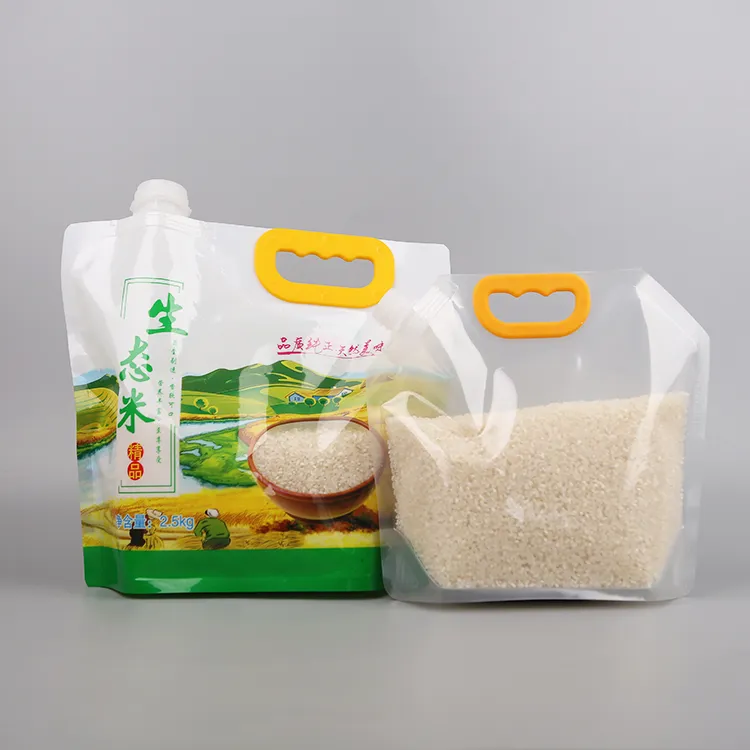
Why brands are switching
- Up to 60–80% less plastic vs. comparable rigid bottles, around 30–50% lower logistics CO₂.
- Better e-commerce survivability; drop/stack tests show notably fewer leaks.
- Convenient controlled pour, reclosable spouts; good for refills and concentrates.
Technical specifications (typical)
| Parameter |
Spec (≈ / typical) |
Test/Standard |
| Laminate structure |
PET/NY/PE or PET/AL/NY/PE (custom) |
Material BOM |
| Total thickness |
100–200 μm |
Micrometer |
| OTR (23°C, 0% RH) |
≤ 0.5 cc/m²·day (with AL) |
ASTM D3985 |
| WVTR |
≤ 0.5 g/m²·day |
ASTM F1249 |
| Tensile / Seal strength |
Good tear balance; seals ≥ 18 N/15 mm |
ASTM D882 / F88 |
| Spout/cap |
8.6/10/16/ spout; TE ring; optional CRC |
In-house fit tests |
| Fill volume |
100 mL–5 L (real-world use may vary) |
Design spec |
| Service life |
18–24 months sealed, cool/dry |
Shelf-life studies |
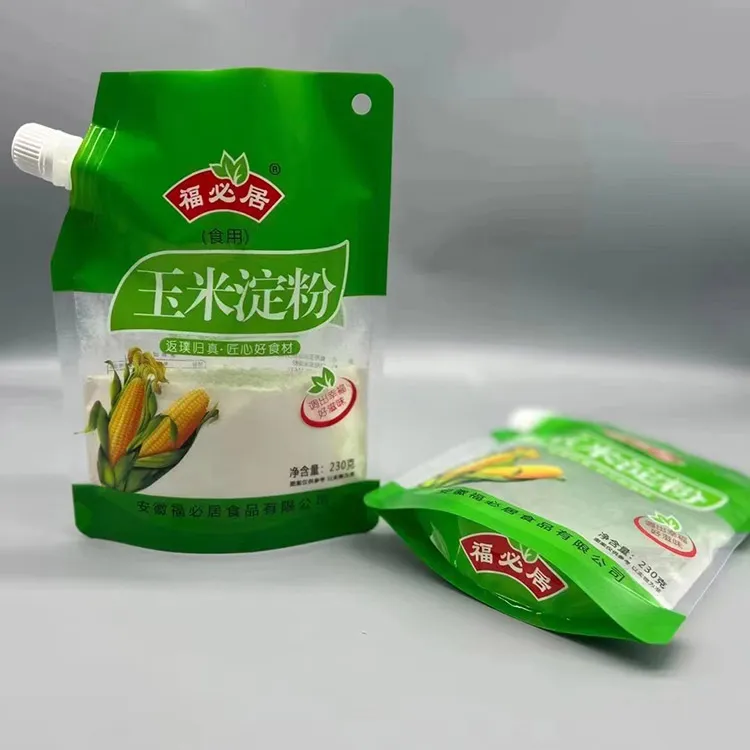
Process flow and QA
- Materials: certified food-contact films, inks, and spouts (FDA 21 CFR; EU 10/2011 compliant).
- Methods: high-definition rotogravure printing; solventless lamination; pouch forming; ultrasonic/thermal spout welding.
- Testing: seal integrity (ASTM F88), burst/creep, vacuum leak, OTR/WVTR, migration per EU protocols; ISTA 3A drop for e-commerce.
- Certifications: ISO 9001, optional BRCGS Packaging; traceability from roll to pallet.
- Industries: sauces and condiments, personal care, home care, agrochemicals, lubricants, disinfectants.
Where it’s used (and what people say)
Typical usage scenarios include refill pouches for shampoo and soap, concentrated detergents, cooking sauces, motor oil top-ups, and crop-care mixes. Feedback is consistent: “easy pour, fewer leaks, nicer shelf look.” And yes, the cap options on the High Performance Nozzle Packaging Bag make a difference for viscosity control.
Vendor snapshot (quick comparison)
| Vendor |
Certs |
Lead Time |
MOQ |
Spout Options |
Notes |
| Junlan (Xiongan) |
ISO 9001, BRCGS |
≈ 2–4 weeks |
Low–medium |
8.6/10/16 + CRC + TE |
Strong QC; fast tooling |
| Generic Converter A |
ISO 9001 |
4–6 weeks |
Medium |
Limited sizes |
Good print, fewer cap types |
| Trading Company B |
Varies |
6–8 weeks |
High |
Depends on OEM |
Price-focused, less control |
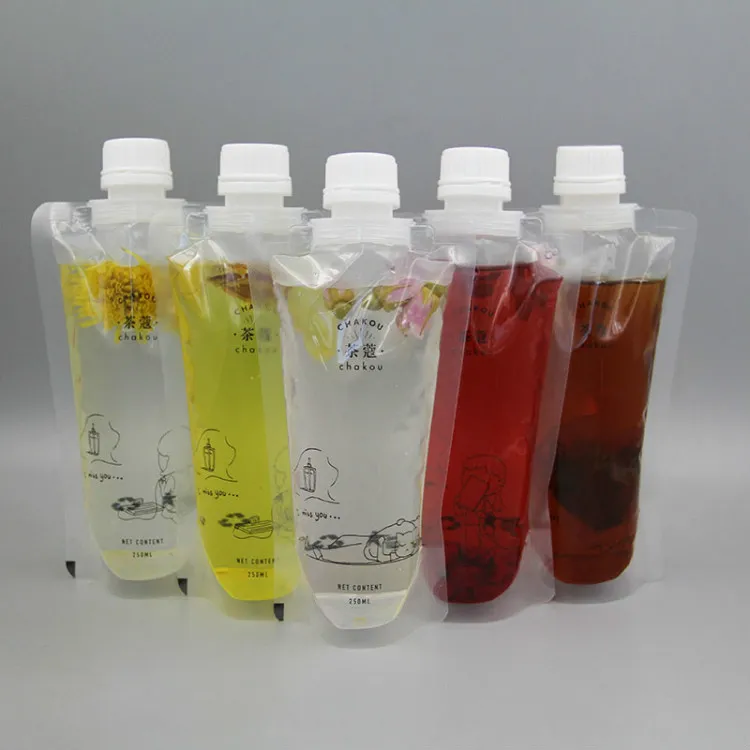
Customization and a quick case
Custom shapes, matte/gloss panels, angled spouts, metallic or kraft looks—easy asks. For a chili-sauce brand in Southeast Asia, switching to the High Performance Nozzle Packaging Bag cut transport damage by ≈92%, boosted pick rates in 3PL by 18%, and cut packaging weight per unit by around 72%. Their QA logged seal strengths consistently above 20 N/15 mm and zero gross leaks under ISTA 3A after 3 months of stress testing.
Notes: Always validate with your product—pH, solvent content, and retort conditions may require alternate film stacks. Real-world outcomes depend on fill temp, torque control, and distribution handling.
References
- ASTM D3985, F1249, D882, F88 – Barrier and seal strength test methods.
- EU Regulation No. 10/2011 on plastic materials for food contact.
- FDA 21 CFR 177.1520 – Olefin polymers for food contact.
- ISTA 3A – Package testing for parcel delivery systems.
- BRCGS Packaging Materials Standard; ISO 9001 Quality Management Systems.

