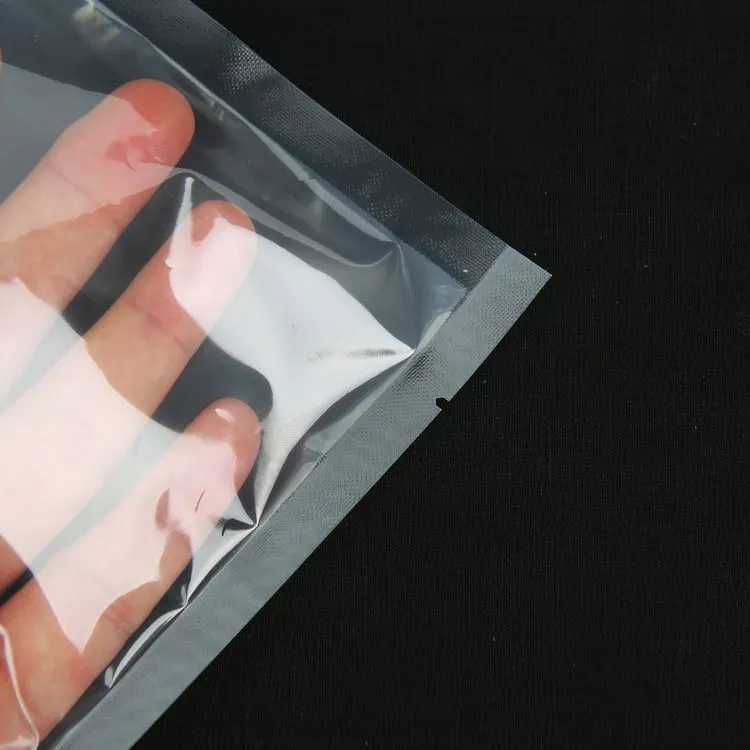
If you’ve been hunting for sterilization packaging that doesn’t blink at 121–135°C steam cycles, you’re in the right place. The High Temperature Sterilization Packaging Bag is built for modern food processors and hospital CSSDs that can’t afford failures. I’ve toured enough plants to know: when a seal pops after retort, or a pouch delaminates after the third autoclave, downtime snowballs. This product was designed to stop that kind of headache.
What’s driving demand
Two words: traceability and uptime. In food, retort-ready pouches are replacing cans for lighter logistics and cleaner labels. In healthcare, steam compatibility at 134°C is becoming a hard requirement for sets that can’t go EO or low-temp. Also, ESG goals push for thinner, higher-performance laminates—less waste, same barrier. Honestly, not every bag on the market is up to it.
Technical snapshot
| Parameter |
Spec (≈) |
Notes |
| Structure |
PET/PA/AL/CPP or PET/PA/CPP |
AL for ultra-barrier; AL‑free for metal-detector lines |
| Thickness |
80–120 μm |
Custom by fill and retort profile |
| Temp rating |
121–135°C steam |
30–45 min typical |
| Seal strength |
≥ 1.5 N/15 mm |
ASTM F88; real-world use may vary |
| OTR |
| 23°C, 0% RH |
| WVTR |
| 38°C, 90% RH |
| Compliance |
ISO 11607, ISO 17665, FDA 21 CFR 177.x |
Documentation on request |
Process flow and testing (in brief)
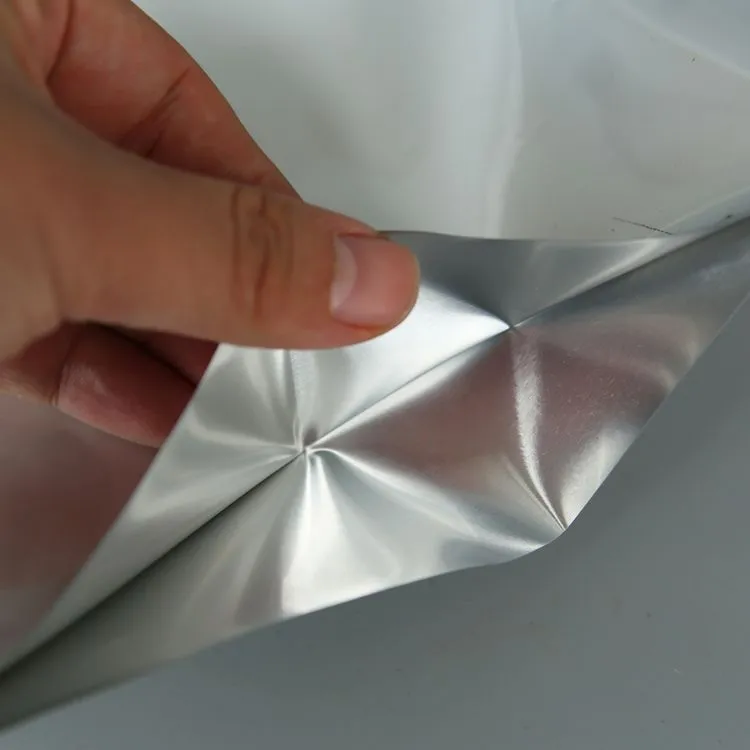
- Materials: PET for printability/rigidity; PA (nylon) for puncture; CPP as sealant; optional AL for barrier.
- Lamination: Solvent-based or solventless, matched to retort profile to prevent delam.
- Bag-making: Three-side or stand-up; tear notch, rounded corners; vent features by spec.
- Validation tests: ASTM F88 seal strength; ASTM F1929 dye penetration; ASTM F2096 bubble leak; burst testing; retort simulation at 121/134°C; aging via ASTM F1980.
- Service life: Around 24–36 months at 15–25°C, RH
Where it’s used
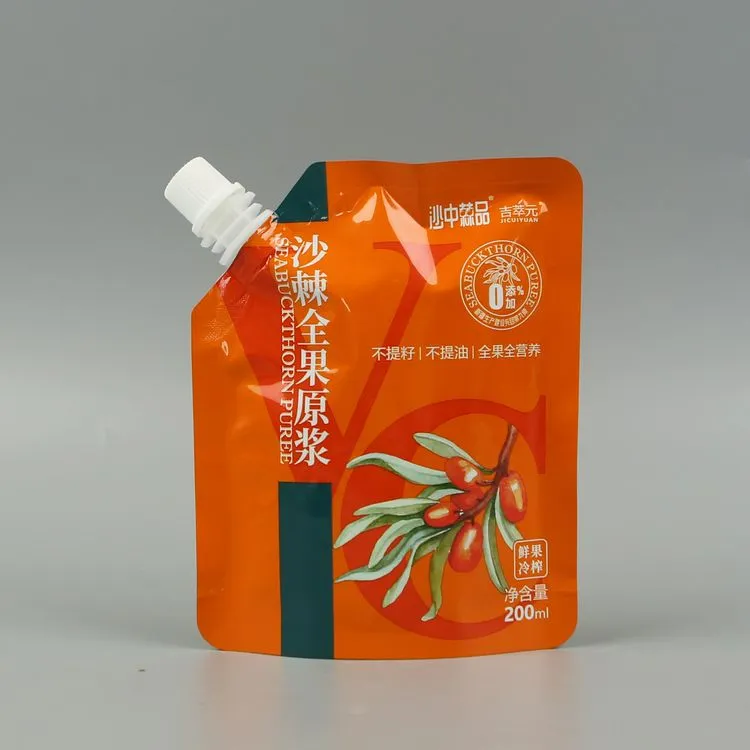
Food: ready meals, soups, seafood, pet food. Medical: drape kits, liquids that must survive moist heat cycles. Many customers say the glare-free film makes visual checks easier—small thing, big difference.
Why this High Temperature Sterilization Packaging Bag stands out
- Retort-stable seals that don’t creep under pressure.
- Consistent barrier after multiple heat cycles (we checked OTR pre/post retort—nice and flat).
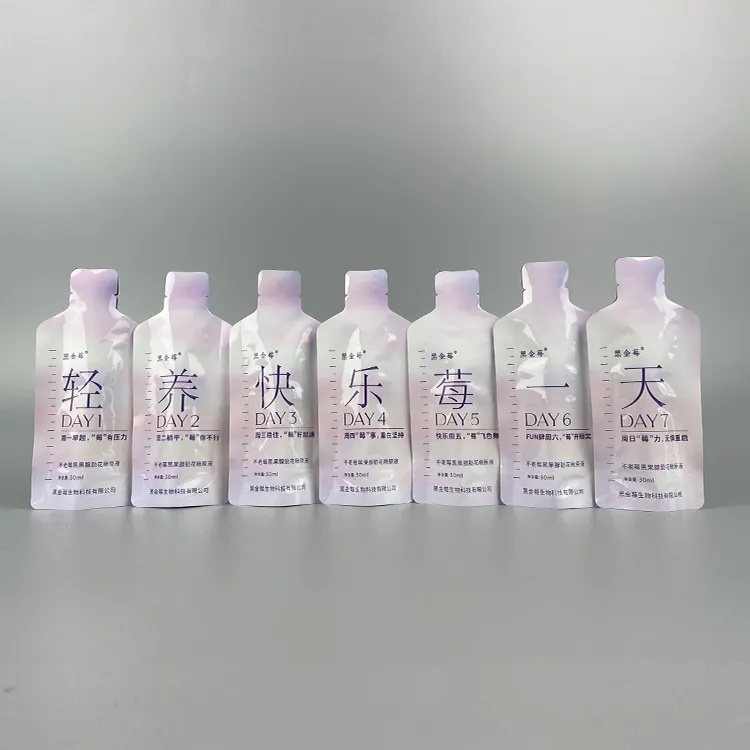
- Custom print up to 10 colors; lot coding for traceability.
- Made in Xiongxian Economic Development Zone (East Zone), Xiongan New Area, Hebei, China.
Vendor snapshot (what buyers usually compare)
| Vendor |
MOQ |
Lead time |
Certs |
Custom print |
Temp range |
Price |
| Junlanpack |
≈10,000 pcs |
2–4 weeks |
ISO 9001; test reports |
Up to 10 colors |
121–135°C |
Mid |
| Overseas Brand A |
≈25,000 pcs |
4–6 weeks |
ISO/EN portfolio |
Yes |
121–134°C |
High |
| Generic Trader |
Low |
Uncertain |
Limited |
Limited |
Up to 121°C |
Low |
Customization and documentation
Sizes, gusset/stand-up, AL or AL‑free, tear notch, hang hole, and print. Typical paperwork includes material CoC, migration/food-contact statements (FDA 21 CFR 177.x), and validation test summaries (F88/F1929/F2096). For medical use, packaging validation per ISO 11607 is supported; sterilization per ISO 17665.
Field notes (real-world cases)
- Seafood retort line: switched to High Temperature Sterilization Packaging Bag, post-retort leak rate dropped from 1.2% to 0.2% over three months; OTR shifts after 134°C/40 min were within lab noise.
- Hospital CSSD pilot: instrument-linen kits needed 134°C for 3–5 min; seals maintained ≥1.8 N/15 mm after five cycles, dye tests clean. Not bad at all.
To be honest, what impressed me most is the consistency lot to lot. If you’re evaluating, ask for retort simulation data and seal curves; it saves time. And if your QA team is picky (as they should be), this High Temperature Sterilization Packaging Bag gives them the numbers they want.
References
- ISO 11607-1/2: Packaging for terminally sterilized medical devices.
- ISO 17665-1: Sterilization of health care products—Moist heat.
- ASTM F88/F88M: Seal strength of flexible barrier materials.
- ASTM F1929: Detecting seal leaks by dye penetration.
- ASTM F2096: Detecting gross leaks by internal pressurization (bubble test).
- FDA 21 CFR 177.1520 and 177.1630: Food-contact polymers (PP, PET).

