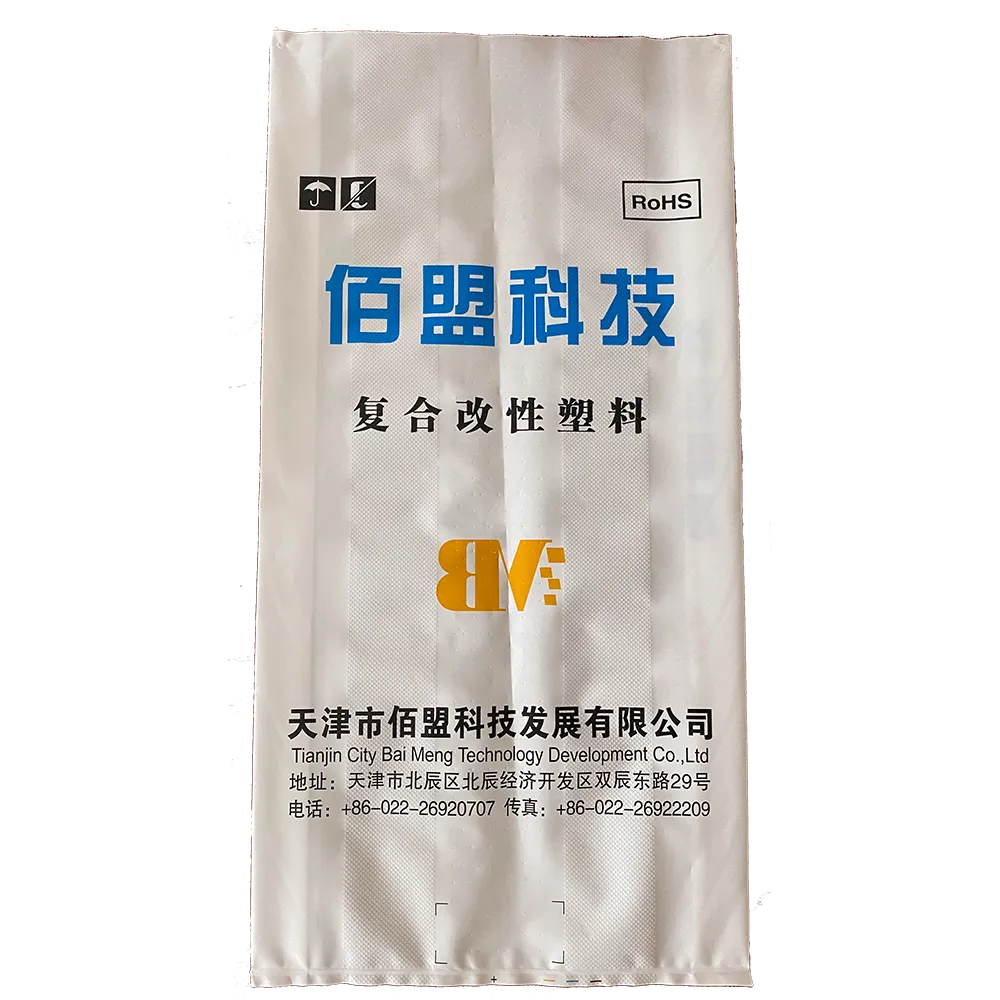
If you’ve ever watched a pallet shift in transit and felt your stomach drop—yeah, same. That’s partly why the M Folding Anti Slip Bag is getting buzz among packaging managers. It’s lightweight, durable, and—surprisingly—more versatile than it looks at first glance. Made in the Xiongxian Economic Development Zone (East Zone), Xiongan New Area, Hebei Province, China, it pairs everyday practicality with smart friction engineering.
Where the market is going
Industry trends are clear: fewer stretch wraps, better load stability data, and more eco-aligned materials. Many customers say they’re cutting film by 10–20% when pairing anti-slip bags with smarter pallet patterns. Logistics teams want traceability, COF consistency, and custom gussets (the “M” fold) to snug into totes and crates.

How it’s made (short version)
- Materials: LLDPE/HDPE blend with anti-slip additives; optional recycled content (up to ≈30%, real-world may vary).
- Methods: Blown-film extrusion, M-fold gusseting, precision slit/convert; optional corona treatment for printability.
- Testing standards: COF per ASTM D1894; drop per ASTM D5276; conditioning per ISO 2233; sack guidance per ISO 21898.
- Service life: ≈18 months indoor at 25°C/60%RH; UV-stabilized options for tougher conditions.
- Industries: e-commerce, beverages, fresh produce, auto parts, pharma distribution.
Quick spec sheet
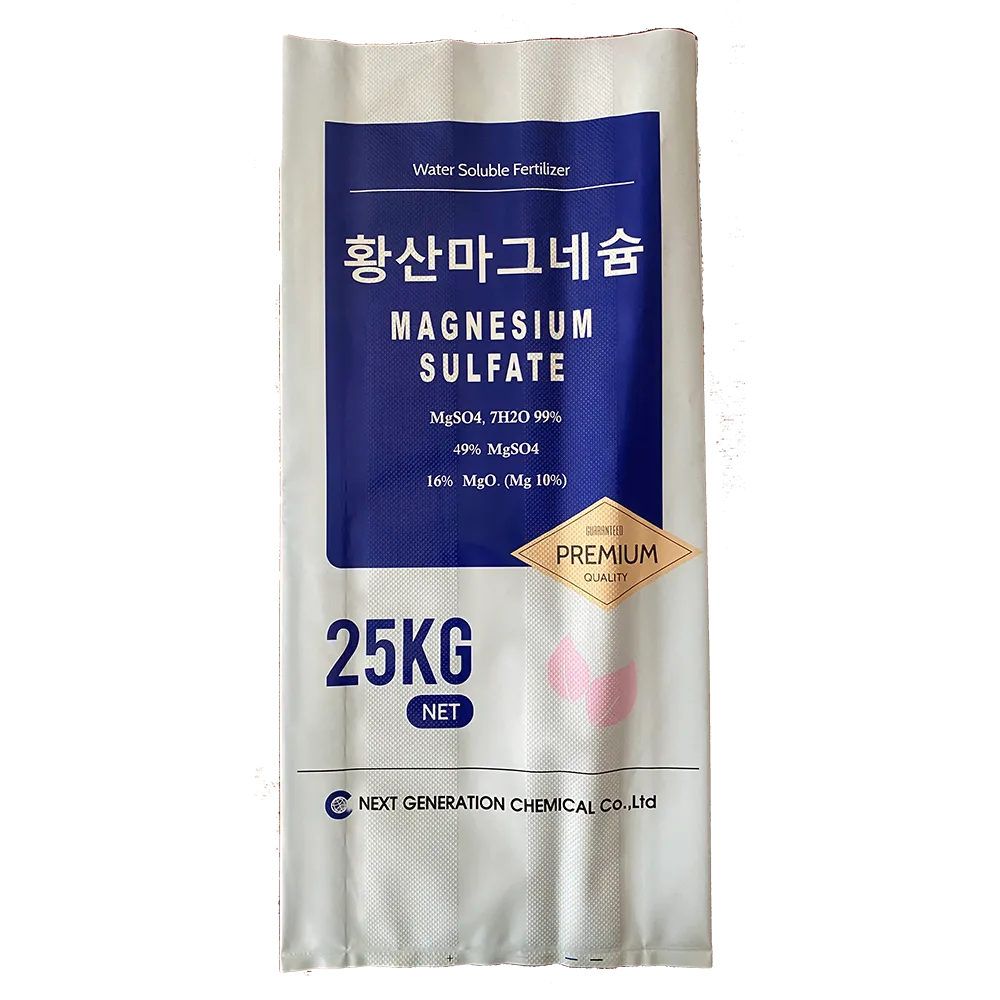
| Gusset style | M-fold (double side gusset) |
| Material | LLDPE/HDPE blend, recyclable; optional post-consumer content |
| Thickness | 40–120 μm (custom) |
| Static/Dynamic COF | ≈0.45±0.05 / 0.40±0.05 (ASTM D1894) |
| Dart Impact | >300 g typical (ASTM D1709) |
| Printing | Up to 6 colors; QR/lot coding |
| Certs | ISO 9001/14001; RoHS/REACH-compliant |
Why teams pick it
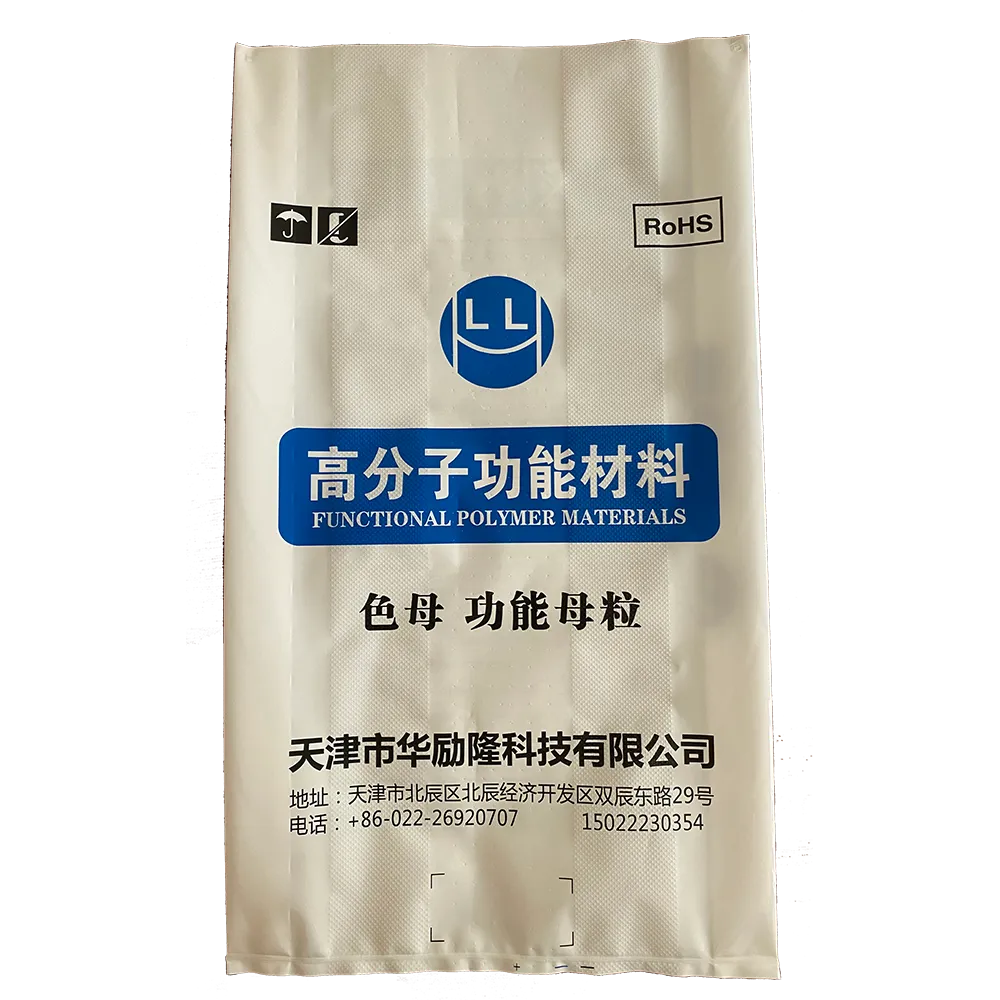
- Reliable grip: That tuned COF cuts micro-slippage on conveyors and in trucks.
- Lightweight: Less material, less cost—without babying the load.
- Fits the job: The M-fold gusset opens wide for crates, cartons, or inner-liner duty.
Vendor snapshot (honest take)
| Vendor |
Pros |
Watch-outs |
| Junlan (Xiongan) |
Stable COF, custom gussets/print, ISO-backed QA, fast lead times |
MOQ may apply on special colors |
| Generic importer |
Low initial price |
COF drift between batches, sparse test data |
| Local converter |
Small-lot flexibility |
Limited anti-slip formulations |
Application scenarios
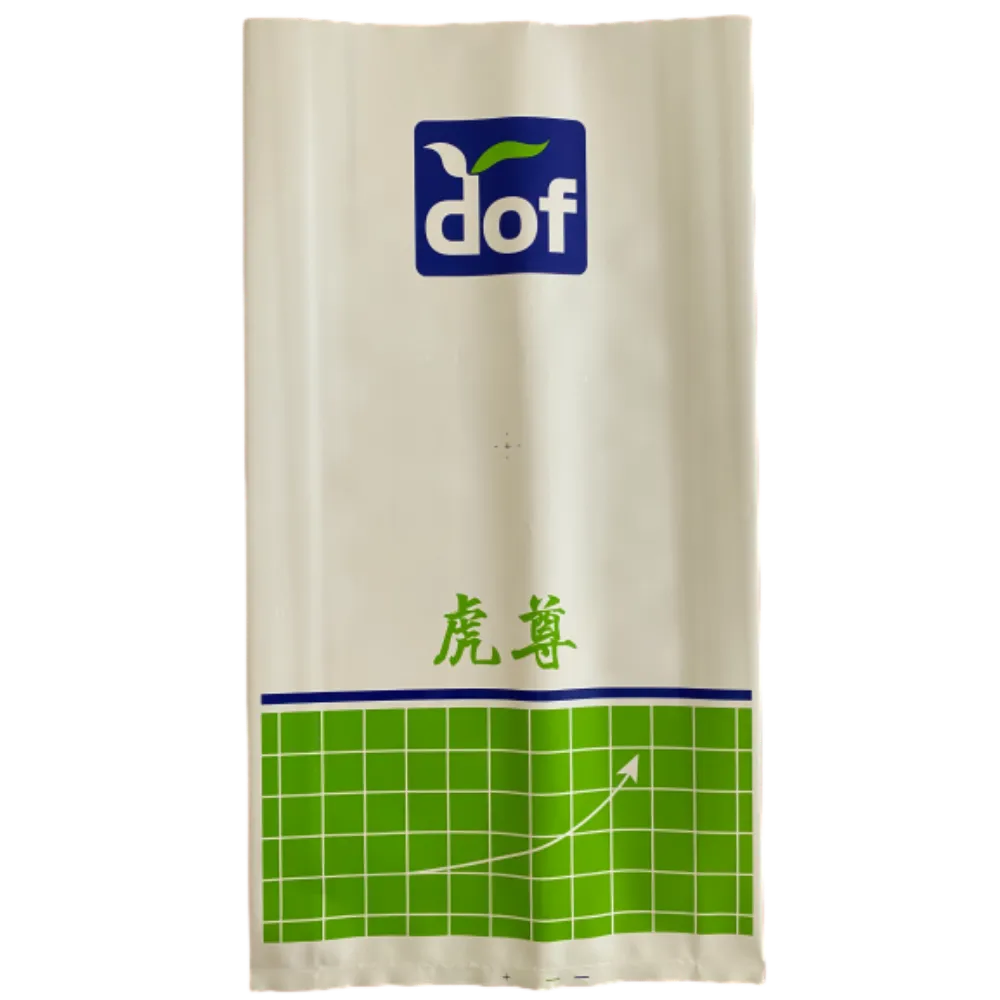
On pallets as layer interleave; as inner liners for produce crates; separating glossy cartons; stabilizing beverage trays; cushioning auto components. In fact, operations teams tell us damage claims drop after switching to M Folding Anti Slip Bag on top layers—less “pallet swim.”
Real test data (sample lot)
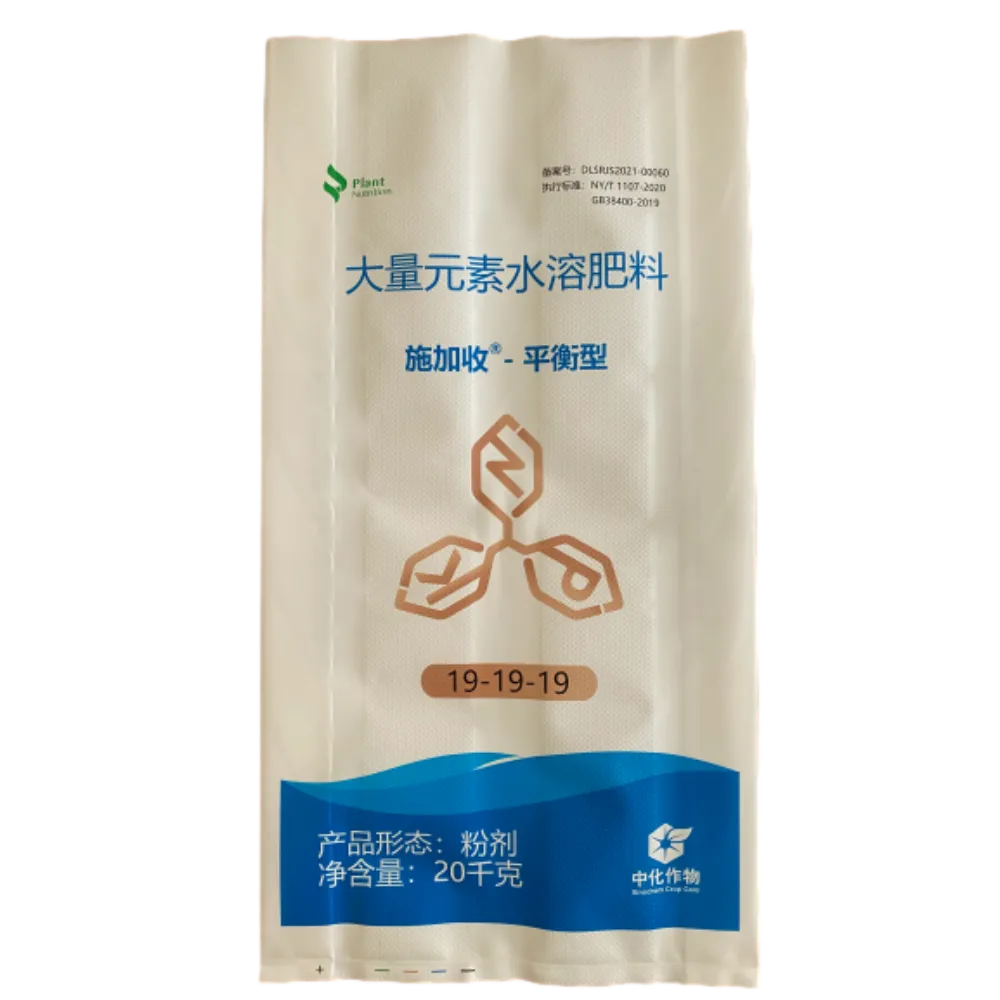
- COF (film-to-film): 0.44; COF (film-to-corrugate): 0.47 (ASTM D1894)
- 1.0 m drop on 12 kg load: Pass, no tear/rupture (ASTM D5276)
- Conditioned at 23°C/50%RH (ISO 2233) before tests
Customization
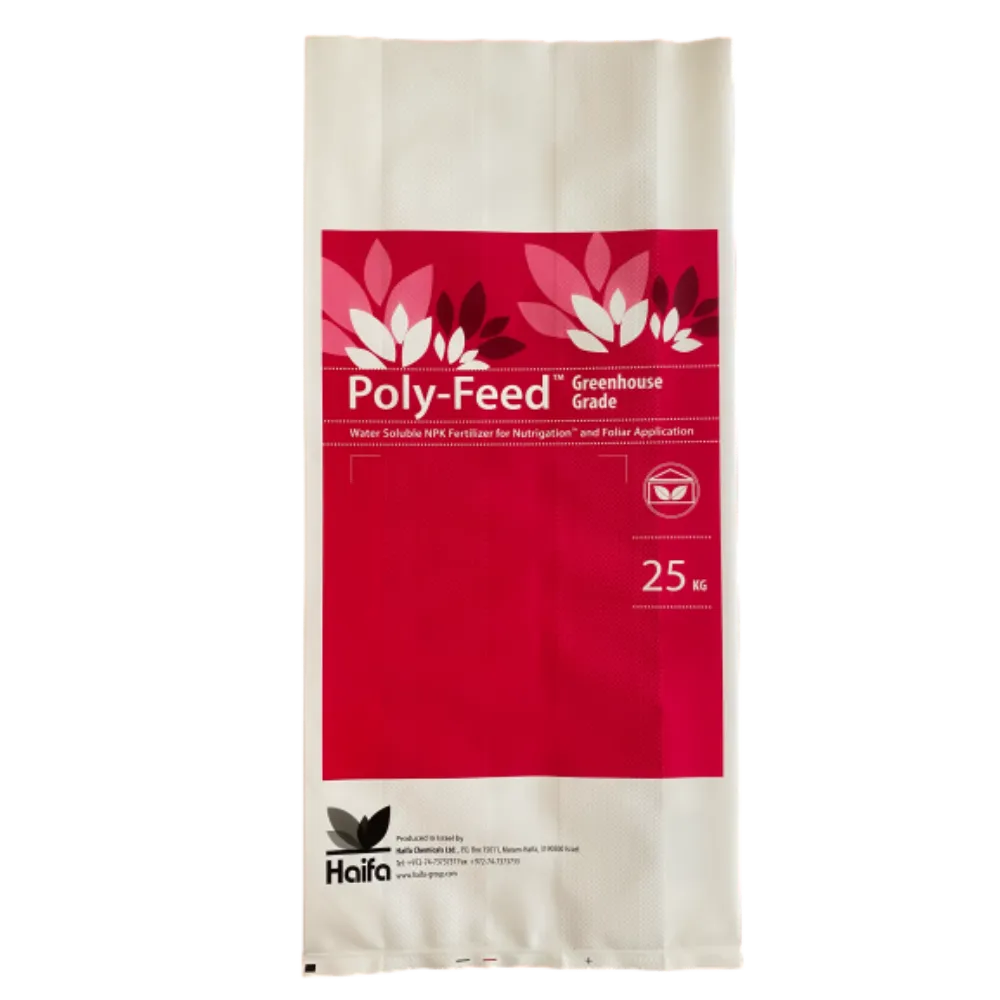
Sizes, gusset depth, thickness, print, vent holes, anti-static, food-contact grade (on request). To be honest, COF targets should be agreed per product mix; glossy cartons vs. kraft behave differently.
Two quick case notes
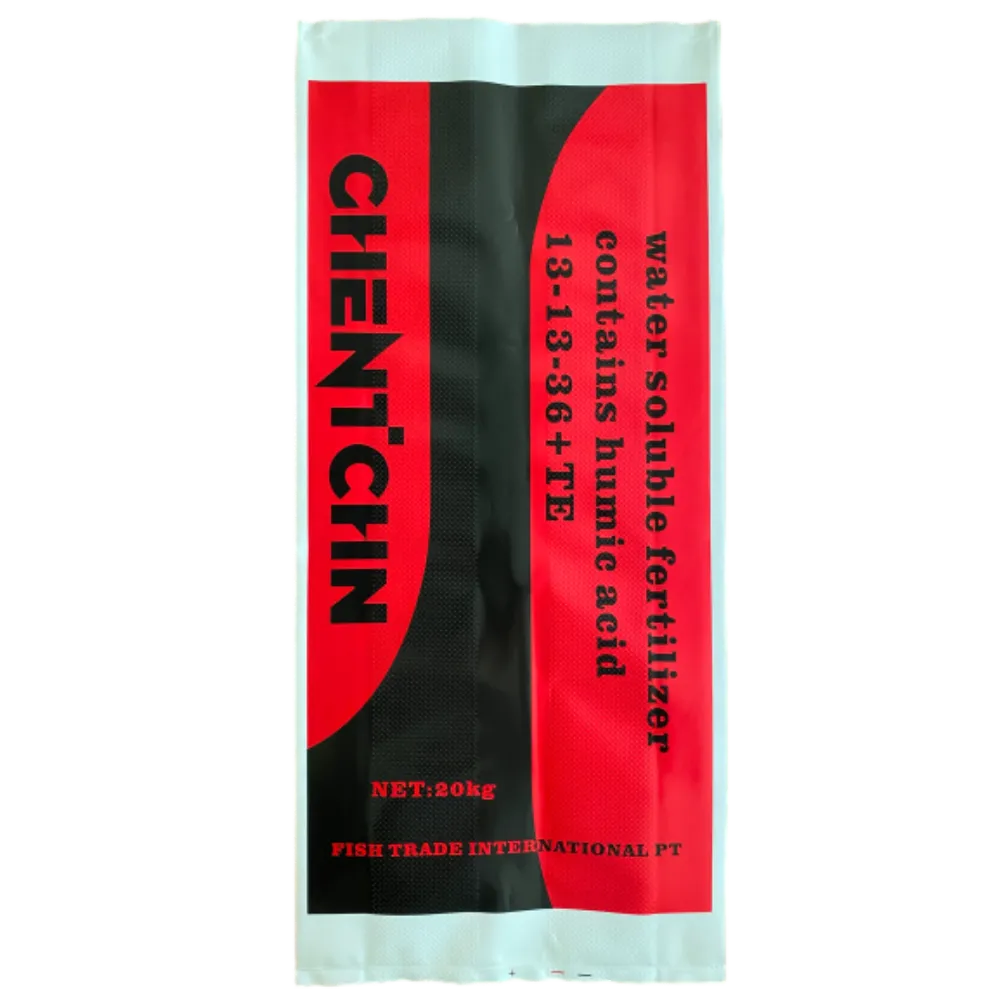
Consumer electronics 3PL: Swapped top/bottom sheets for M Folding Anti Slip Bag, reduced film by ≈15%, tilt tests improved by ~20% on average.
Regional beverage shipper: Added midsheet interleaves; truck rework incidents dropped from weekly to “rare”—their word, not mine.
Certifications and compliance
Factory systems align with ISO 9001/14001; material options support RoHS and REACH. Ask for lot COF charts and aging data—good vendors share them without fuss.
Final thought
It seems simple, but the right anti-slip bag can steady loads, trim plastic, and calm warehouse nerves. Just match COF to your substrates and verify with a quick pilot. That’s where the real wins show up.
Authoritative citations
- ISO 21898: Packaging — Sacks for transport of goods — General requirements. https://www.iso.org
- ASTM D1894: Standard Test Method for Static and Kinetic Coefficients of Friction of Plastic Film. https://www.astm.org
- ASTM D5276: Standard Test Method for Drop Test of Loaded Containers. https://www.astm.org
- ISO 2233: Packaging — Conditioning for testing. https://www.iso.org
- REACH Regulation (EC) No 1907/2006. European Chemicals Agency. https://echa.europa.eu

