What’s really inside a modern pickled seasoning pouch—and why it matters
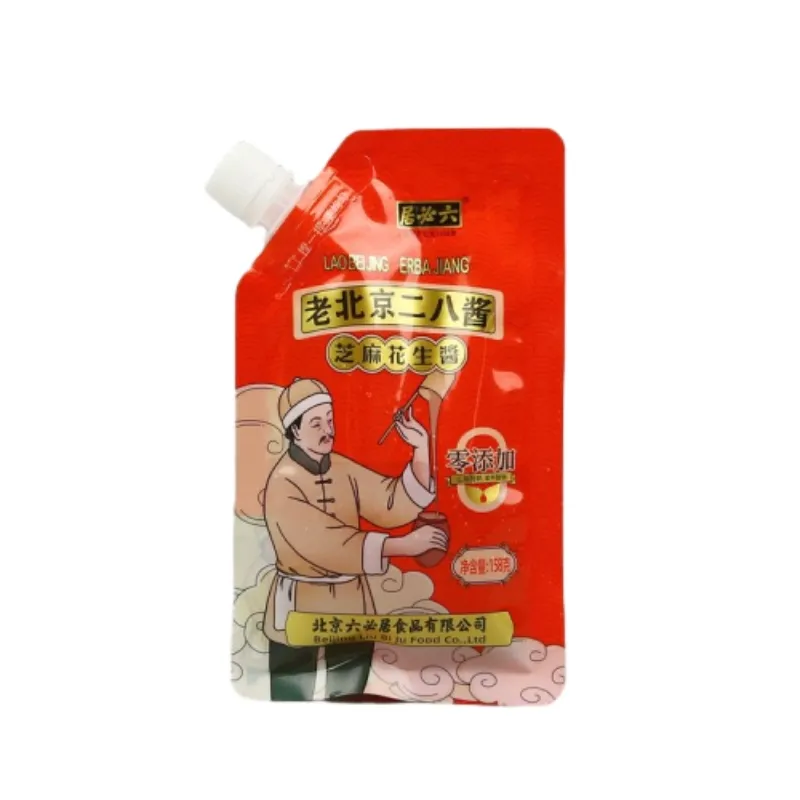
If you’re in the brined-and-bolder-flavors business, you’ve probably noticed packaging is doing a lot of heavy lifting these days. The Packaging Bag of Pickled Vegetables Seasoning coming out of Xiongxian Economic Development Zone (East Zone), Xiongan New Area, Hebei, is one of those quietly engineered workhorses. On paper it’s a pouch; in practice it’s shelf-life, brand theater, and leak insurance—rolled into one. To be honest, that’s what buyers ask for most.
Industry trend check
We’re seeing three things: lightweight laminates beating tins on freight, acid-resistant films replacing legacy PET-only bags, and cleaner labels pushing oxygen/moisture barriers to do more with fewer preservatives. Actually, many customers say they also want brighter print without the ink bleed in brine—more on that below.
How the pouch is built (in plain words)
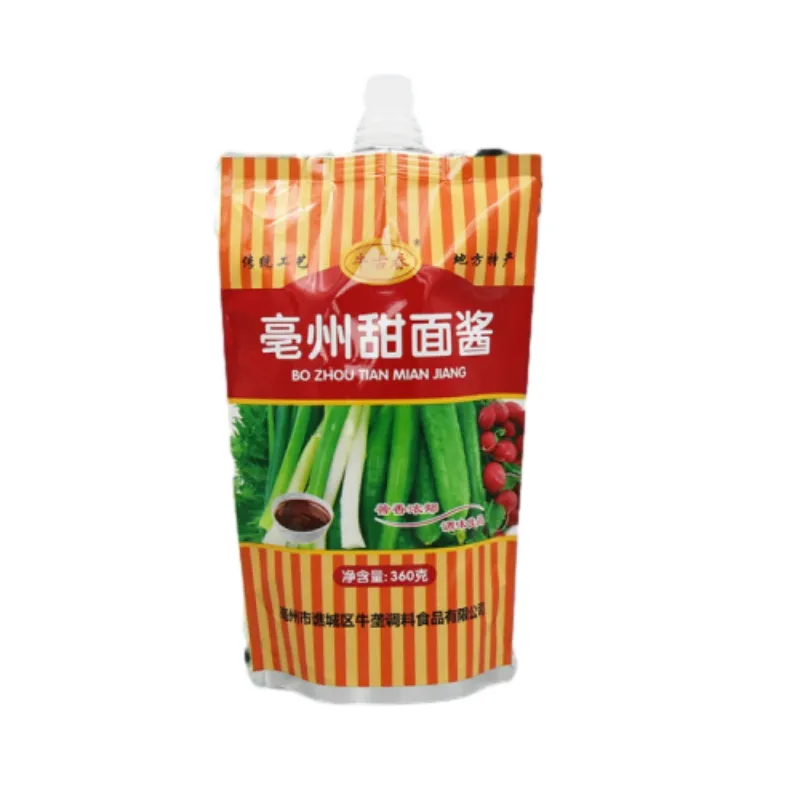
Packaging Bag of Pickled Vegetables Seasoning typically uses PET/PA/PE or PET/AL/PE structures, sometimes with EVOH for high barrier. Outer PET carries graphics; PA (nylon) adds puncture toughness; PE seals clean even with a little brine on the fin. Foil or EVOH handles oxygen and aroma.
Process flow (short version)
- Materials: PET, BOPA (PA), PE-LLD, optional EVOH or AL foil; inks/adhesives low-MOSH/MOAH.
- Lamination: solventless or low-solvent; aging ≈ 24–48h for bond strength.
- Converting: slitting → pouch forming (stand-up/doy, 3-side, or spout) → zipper/hang hole.
- QA testing: seal strength (ASTM F88), hot-tack (ASTM F1921), OTR (ASTM D3985), MVTR (ASTM F1249), migration limits (EU 10/2011; GB 4806).
- Service life: around 12–24 months depending on recipe, barrier, and fill hygiene—real-world use may vary.
- Industries: pickled veg, kimchi, chutneys/achar, relish, olives, foodservice sachets, private label kits.
Core specifications
| Typical film | PET12/PA15/PE60 or PET12/AL7/PE70; EVOH option |
| Thickness | ≈ 80–120 μm |
| OTR | |
| MVTR | |
| Seal strength | ≥ 3.5 N/15 mm (ASTM F88) |
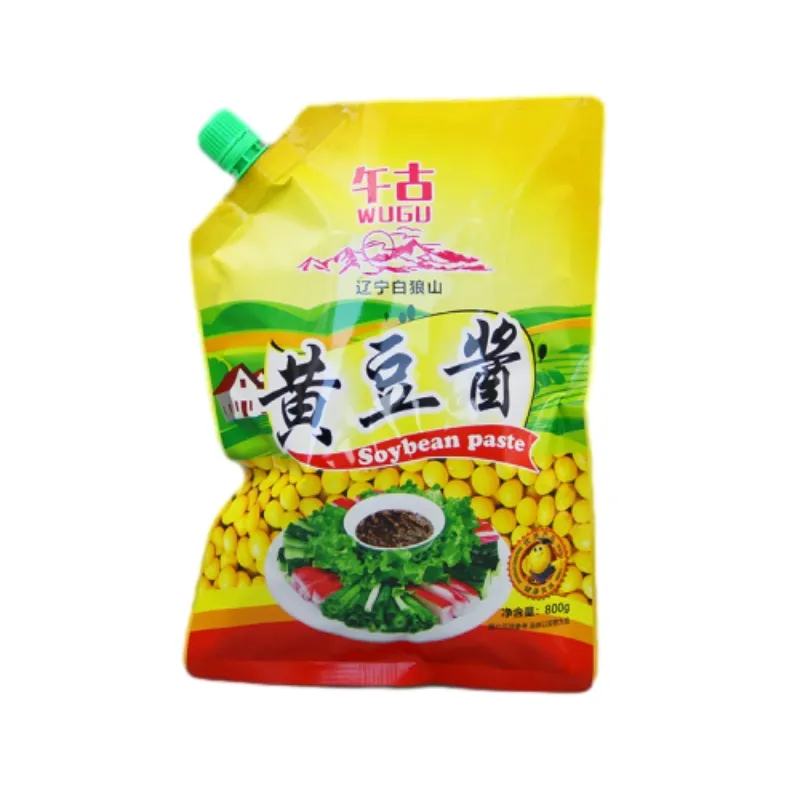
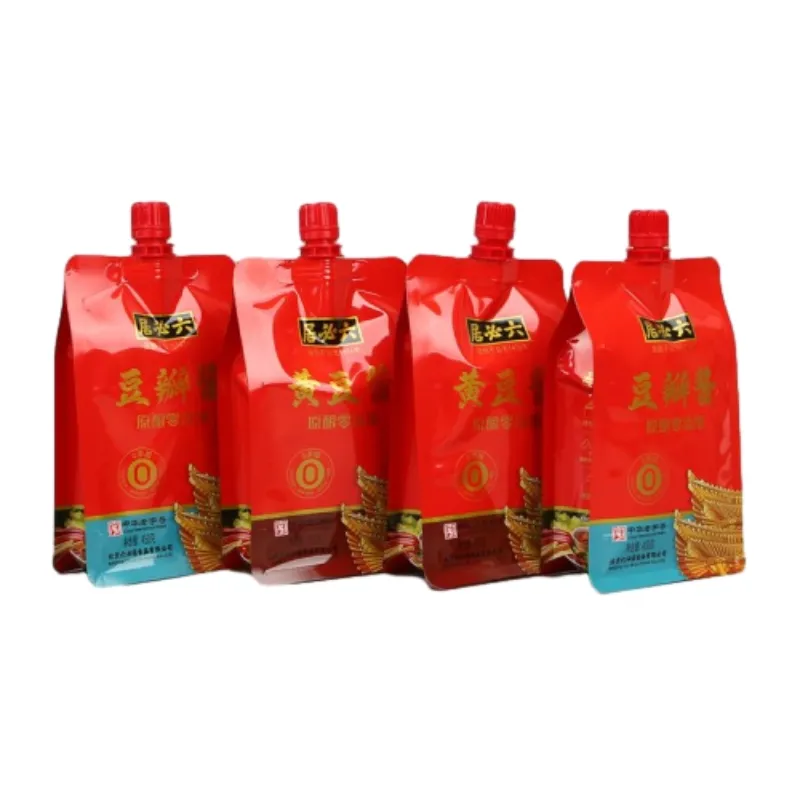
| Formats | Doypack, 3-side, gusset, spout; tear notch/zipper optional |
| Print | Up to 10 colors; HPE inks for acid/brine resistance |
| Compliance | EU 10/2011, FDA 21 CFR, GB 4806; ISO 22000/BRCGS packing |
Why brands choose it
- Barrier tuned to sour, salty, and aromatic loads; less label-preservative pressure.
- Puncture resistance for crunchy veg edges (nylon does the heavy lifting).
- Clean seals even with micro-brine—operators tell me scrap rates drop noticeably.
- Optional one-way valve for off-gassing ferments (niche, but handy).
Vendor snapshot (real-world differences)
| Vendor |
Structure |
MOQ |
Lead time |
Certs |
Notes |
| Junlan Pack (Hebei) |
PET/PA/PE; PET/AL/PE; EVOH |
≈ 10–30k pcs |
12–18 days |
ISO 22000, BRCGS |
Strong color control; quick re-runs |
| Vendor A (regional) |
PET/PA/PE |
≈ 50k pcs |
20–30 days |
ISO 9001 |
Budget; fewer barrier options |
| Vendor B (overseas) |
PET/AL/PE |
≈ 20k pcs |
25–40 days |
BRCGS |
Good foil barrier; shipping adds time |
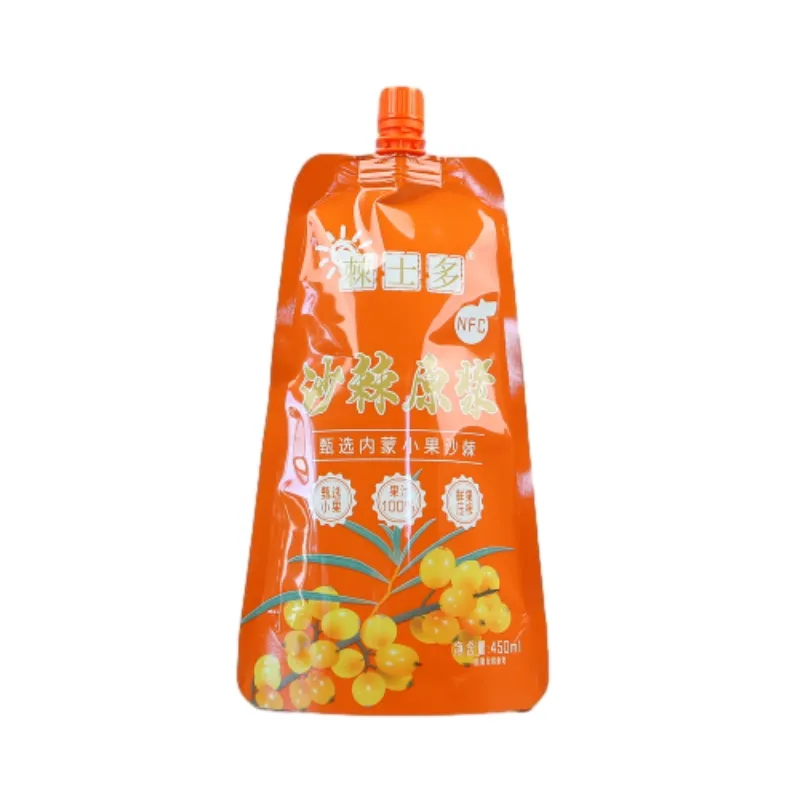
Customization and results
Options include matte/gloss combos, metallic highlights, spout angles, laser scoring, and zips you can open with wet hands. One mid-size kimchi label switched to Packaging Bag of Pickled Vegetables Seasoning with EVOH and reported ≈ 18% shelf-life gain (sensory O2 threshold) and 14% freight savings by moving from jars. Another pickle kit brand told us seal failures dropped after tightening F88 spec to ≥ 4.0 N/15 mm—small tweak, big calm.
Testing, compliance, and data points
Batches are typically checked for OTR/MVTR, delamination (T-peel), migration per EU/GB, and dye-penetration for pinholes. Certificates on file usually include ISO 22000, HACCP, and BRCGS Packaging. For US exports, materials align with FDA 21 CFR references for food contact.
Where it fits
Retail pouches, foodservice sachets, and e-commerce refill packs for pickled veg, olives, relish, and seasoning blends suspended in brine. It seems that for vibrant, acidic recipes, Packaging Bag of Pickled Vegetables Seasoning hits the useful middle ground: tough, bright, and not fussy on the line.
Authoritative citations
- ASTM F88/F88M – Standard Test Method for Seal Strength of Flexible Barrier Materials.
- ASTM D3985 – Standard Test Method for Oxygen Gas Transmission Rate.
- ASTM F1249 – Standard Test Method for Water Vapor Transmission Rate.
- EU Regulation No 10/2011 on plastic materials and articles intended to come into contact with food.
- FDA 21 CFR 177.1520 – Olefin polymers for food contact.
- GB 4806 series – Chinese national standards for food contact materials (e.g., GB 4806.7-2016).
- BRCGS Global Standard for Packaging Materials, Issue 6 (or latest).

