The Advanced Engineering of the 4 Side Seal Bag for B2B Applications
In the realm of flexible packaging, the 4 side seal bag, also frequently referred to as a 4 side seal pouch or four side seal sachet, stands as a cornerstone for industries demanding superior product protection, enhanced shelf life, and distinct branding opportunities. This packaging format is distinguished by its four sealed edges, creating a robust, often flat, and highly versatile enclosure ideal for a vast array of products from fine powders and granules to liquids and single-serve doses. Its inherent structural integrity and adaptability make it a preferred choice for B2B stakeholders in the food, pharmaceutical, cosmetic, and chemical sectors, where product quality and consumer safety are paramount. This article delves into the technical intricacies, manufacturing excellence, application versatility, and strategic advantages that position the 4 side seal bag as an indispensable component of modern supply chains.
Current Industry Trends in Flexible Packaging
The global flexible packaging market is experiencing significant evolution, driven by consumer demands for convenience, sustainability, and extended product freshness. Industry reports project continued growth, with a CAGR estimated at around 4-5% through 2028, largely fueled by rising demand in emerging economies and the increasing adoption of efficient packaging solutions. Key trends influencing the development of the 4 side seal bag include:
- Sustainability & Circular Economy: There's a strong push towards mono-material structures, recyclable films, and the incorporation of post-consumer recycled (PCR) content to reduce environmental impact. Brands are actively seeking packaging solutions that align with their corporate social responsibility goals.
- Enhanced Barrier Properties: As global supply chains extend and consumer expectations for freshness rise, the demand for packaging with superior moisture, oxygen, and aroma barriers continues to grow. This is critical for sensitive products like pharmaceuticals and specialized food items.
- Smart Packaging Technologies: Integration of features like QR codes, NFC tags, and time-temperature indicators for enhanced traceability, anti-counterfeiting measures, and consumer engagement.
- Digital Printing Adoption: Increasing flexibility for small batch runs, customized designs, and faster time-to-market, allowing brands to respond quickly to market changes and seasonal promotions.
- Convenience Features: Easy-open tear notches, reclosable zippers, and precise dosing mechanisms are becoming standard, improving the user experience for the end-consumer.
These trends underscore the importance of innovative design and manufacturing in creating a four side seal solution that not only protects but also enhances product value.
Understanding the 4 Side Seal Bag: Technical Overview
The fundamental design of a 4 side seal bag involves two film webs sealed along all four edges, typically creating a flat, pillow-like structure once filled. This construction offers distinct advantages in terms of integrity and barrier performance compared to simpler pouch designs.
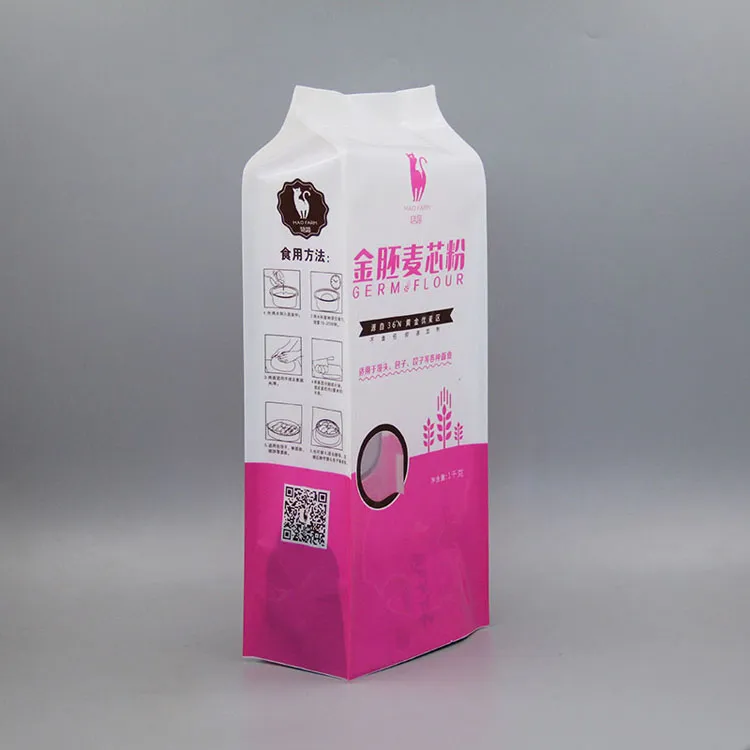
Figure 1: Illustration of a typical 4 side seal bag structure.
Material Composition and Layering
The performance of a 4 side seal bag is heavily dependent on its multi-layer film construction, engineered to meet specific product protection requirements. Common material combinations, often laminated, include:
- Outer Layer (Printable): Typically PET (Polyethylene Terephthalate) or BOPP (Biaxially Oriented Polypropylene) for excellent printability, stiffness, and gloss. Offers abrasion resistance.
- Barrier Layer: Critical for product preservation. Common materials include EVOH (Ethylene Vinyl Alcohol) for high oxygen barrier, PVDC (Polyvinylidene Chloride) for moisture and oxygen, or Aluminum Foil for ultimate barrier against light, oxygen, and moisture. Nylon (BOPA) can provide puncture resistance and gas barrier.
- Tie Layer: Adhesives used to bond dissimilar layers effectively, ensuring lamination integrity.
- Inner Sealant Layer: Usually LDPE (Low-Density Polyethylene), LLDPE (Linear Low-Density Polyethylene), or CPP (Cast Polypropylene). This layer ensures a strong, hermetic seal and can be customized for peelability or retort applications.
Barrier Properties and Performance Parameters
Understanding barrier properties is crucial for selecting the right 4 side seal pouch. Key metrics include:
- Oxygen Transmission Rate (OTR): Measures the amount of oxygen that can pass through a film over a given time and area (e.g., cm³/(m²·24h)). Lower OTR values indicate superior oxygen barrier, crucial for oxygen-sensitive products like coffee, nuts, or pharmaceuticals susceptible to oxidation.
- Moisture Vapor Transmission Rate (MVTR): Quantifies the rate at which water vapor permeates through a film (e.g., g/(m²·24h)). Low MVTR is essential for hygroscopic products, ensuring dryness and preventing caking or spoilage.
- Aroma Barrier: The ability of the packaging to retain desirable aromas within the product and prevent external odors from permeating, vital for spices, tea, and aromatic chemicals.
The combination of these carefully chosen layers and precise sealing technology ensures that the 4 side seal sachet delivers optimal protection against external elements, thereby extending product shelf life and maintaining efficacy.
Manufacturing Process of a 4 Side Seal Bag
The production of a high-quality 4 side seal bag is a multi-stage, precision-controlled process, leveraging advanced machinery and rigorous quality control. Unlike metal fabrication, packaging involves sophisticated converting processes.
Process Flow: From Film to Finished Pouch
-
Material Selection & Preparation: Begins with selecting appropriate raw polymer films (e.g., PET, Nylon, PE, Aluminum foil) based on desired barrier properties, mechanical strength, and aesthetic requirements. These are typically supplied in large rolls.
-
Printing: The outer film layer is printed with high-resolution graphics, branding, and product information using advanced techniques such as gravure printing or flexographic printing. Gravure offers superior image quality for high-volume runs, while flexography is more flexible for smaller batches and intricate designs. Precise registration is critical.
-
Lamination: Multiple film layers (e.g., printed PET, barrier film like EVOH or foil, and sealant layer) are bonded together using specialized adhesive resins under controlled temperature and pressure. This creates a multi-functional composite film that combines the properties of each individual layer, such as barrier, strength, and sealability.
-
Curing: After lamination, the rolls typically undergo a curing period in a controlled environment. This allows the adhesive to fully cross-link and bond the layers securely, enhancing lamination strength and preventing delamination during subsequent processing or use.
-
Slitting: The wide laminated film rolls are then precisely slit into narrower rolls of specified widths, matching the dimensions required for the individual 4 side seal bag. This step demands high precision to ensure consistent pouch size.
-
Pouch Forming & Sealing: The slit film is fed into a specialized four-side sealing machine. This machine precisely forms the bag, creates longitudinal (side) and transverse (top and bottom) heat seals, and typically incorporates features like tear notches or specific corner cuts. The sealing parameters (temperature, pressure, dwell time) are meticulously controlled to achieve strong, hermetic seals.
-
Quality Control & Inspection: Throughout the process, and particularly at the final stage, rigorous quality checks are performed. This includes visual inspection for print quality and defects, seal integrity testing (e.g., burst tests, leak tests), dimensional accuracy, and testing of barrier properties.
Testing Standards and Certifications
Compliance with international standards is crucial for guaranteeing the quality and safety of four side seal packaging, especially for sensitive applications.
- ISO 9001: Certifies a robust Quality Management System, ensuring consistent product quality and customer satisfaction.
- FDA (Food and Drug Administration) Compliance: Essential for packaging that comes into direct contact with food, pharmaceuticals, and medical devices. Ensures materials are safe and non-toxic.
- ASTM F1929: Standard Test Method for Detecting Leaks in Flexible Packaging by Dye Penetration.
- ASTM F88/F88M: Standard Test Method for Seal Strength of Flexible Barrier Materials.
- BSI/BRCGS: Global standards for food safety and packaging materials, ensuring hygienic manufacturing practices.
Adherence to these standards ensures that the manufactured 4 side seal bag meets the stringent requirements for safety, performance, and reliability expected by B2B clients across diverse industries.
Key Technical Specifications & Performance Data
Understanding the critical specifications of a 4 side seal pouch is vital for optimizing product protection and operational efficiency. The table below presents typical technical parameters for a high-performance variant.
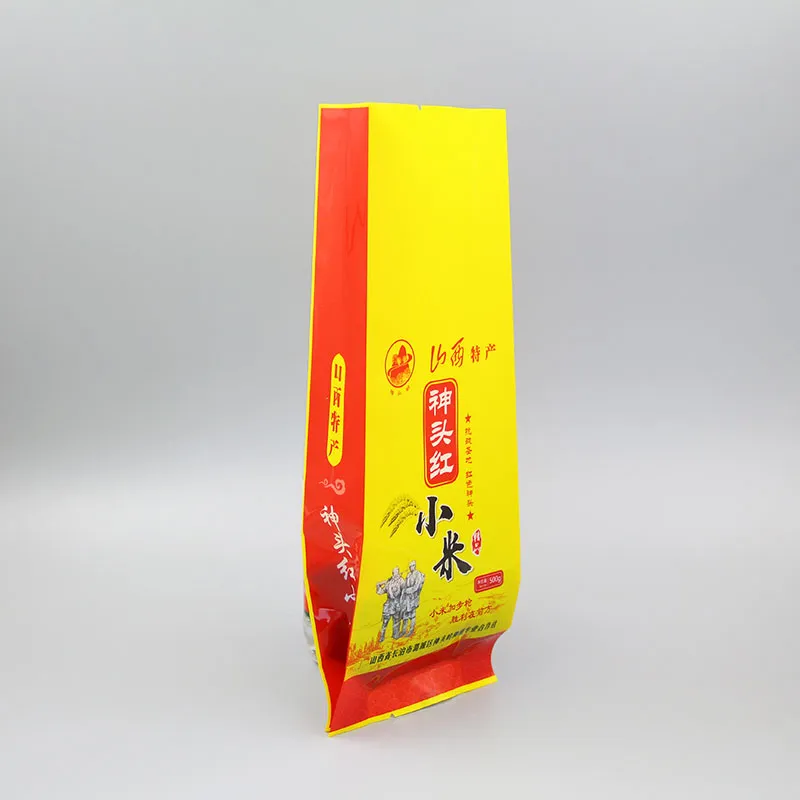
Figure 2: Custom printed 4 side seal sachets for single-serve applications.
Typical Specifications for a High-Barrier 4 Side Seal Bag
| Parameter |
Value/Description |
Test Standard |
| Material Structure |
PET/AL/PA/PE (e.g., 12µm PET / 7µm AL / 15µm PA / 80µm PE) |
Internal Spec. |
| Total Thickness |
Typically 100-150 microns (µm) |
ASTM D6988 |
| Oxygen Transmission Rate (OTR) |
< 0.5 cm³/(m²·24h) @ 23°C, 0% RH (for foil laminates) |
ASTM D3985 |
| Moisture Vapor Transmission Rate (MVTR) |
< 0.5 g/(m²·24h) @ 38°C, 90% RH (for foil laminates) |
ASTM F1249 |
| Seal Strength |
> 20 N/15mm (for typical PE sealant) |
ASTM F88/F88M |
| Puncture Resistance |
Excellent (depending on PA/Nylon content) |
ASTM D3420 |
| Temperature Resistance |
-20°C to +80°C (standard); up to 121°C for retort grade |
Internal Spec. |
| Printability |
Up to 10 colors (Gravure or Flexographic) |
Visual Inspection |
These specifications highlight the engineered robustness of the 4 side seal bag, making it suitable for demanding applications requiring precise environmental control and physical protection.
Key Advantages of 4 Side Seal Packaging
The design and construction of the 4 side seal bag offer a multitude of advantages that translate directly into enhanced product integrity, operational efficiency, and market appeal for B2B enterprises.
- Superior Barrier Protection: With four hermetically sealed edges and multi-layer film structures, these pouches provide excellent protection against moisture, oxygen, UV light, and aroma loss. This extends shelf life significantly, reducing spoilage and maintaining product freshness and potency.
- Exceptional Durability and Puncture Resistance: The robust construction, especially with integrated nylon or other durable films, offers enhanced resistance to tearing and punctures, crucial for products that undergo rigorous handling during transit and storage.
- Versatility in Product Formats: Ideal for a wide range of product types, including powders, granules, liquids, creams, wipes, tablets, and even small components. Its flat design makes it suitable for single-serve portions or precise dosing.
- Efficient Space Utilization: Flat-lying sachets are highly efficient for shipping and storage, optimizing pallet space and reducing logistics costs compared to rigid packaging.
- Outstanding Branding and Marketing Opportunities: Both sides of the pouch can be fully printed with high-definition graphics, nutritional information, and branding elements, offering a large canvas for impactful visual communication at the point of sale.
- Cost-Effectiveness: Compared to rigid packaging alternatives, flexible four side seal solutions typically offer lower material costs, reduced transportation expenses due to lighter weight, and often more efficient filling processes.
- Enhanced Consumer Convenience: Can be easily equipped with tear notches for effortless opening and can be designed for controlled dispensing, improving the end-user experience.
These advantages collectively contribute to the strategic value of incorporating 4 side seal bag solutions into a product's packaging strategy, ensuring product integrity while supporting business objectives.
Application Scenarios and Target Industries
The versatility of the 4 side seal bag makes it suitable for a diverse range of industries, each benefiting from its specific attributes.
-
Pharmaceuticals: For single-dose medications (powders, tablets, capsules), diagnostic kits, and medical device components. The high barrier properties protect against moisture and oxygen, crucial for drug stability. Compliance with FDA standards is paramount.
-
Food & Beverage: Ideal for single-serve coffee, sugar, condiments (ketchup, sauces), spices, instant soups, nutritional supplements, and snack portions. The excellent barrier extends freshness and prevents contamination. Retort-grade four side seal pouches are used for ready-to-eat meals, allowing in-pack sterilization.
-
Cosmetics & Personal Care: Commonly used for sample sachets of shampoo, conditioner, lotions, facial masks, and wet wipes. Offers convenient, travel-friendly packaging and ensures product integrity.
-
Chemical & Industrial: For single-use portions of agrochemicals, lubricants, sealants, detergents, and industrial cleaning agents. Provides safe containment for potentially hazardous substances and precise dosing.
In these scenarios, the 4 side seal sachet provides critical advantages such as controlled dosage, precise portion control, prevention of product degradation, and enhanced user convenience, directly impacting product efficacy and consumer satisfaction.
Vendor Comparison and Selection Criteria
Choosing the right manufacturing partner for your 4 side seal bag needs is a critical decision that impacts product quality, supply chain efficiency, and ultimately, your brand's reputation. A thorough evaluation process is essential.
Comparison of Flexible Pouch Formats
| Feature |
3 Side Seal Pouch |
Stand-Up Pouch |
4 Side Seal Bag |
| Barrier Performance |
Good (typically 1 open side) |
Very Good (strong base seal) |
Excellent (4 hermetic seals) |
| Structural Integrity |
Moderate (can be prone to flexural stress) |
High (self-standing, robust) |
Very High (even pressure distribution) |
| Printing Area |
Limited (often one side for main branding) |
Extensive (front, back, and often bottom gusset) |
Extensive (both front and back panels) |
| Versatility for Content |
Powders, small items |
Wide range including liquids, granular, solids |
Powders, liquids, creams, single-serve portions |
| Manufacturing Complexity |
Low to Moderate |
Moderate to High |
Moderate (requires precise sealing) |
| Cost-Effectiveness (per unit) |
Low |
Moderate |
Low to Moderate (for sachets) |
Key Factors in Vendor Selection:
- Technical Expertise & R&D Capabilities: Look for partners who understand advanced material science, barrier technology, and can innovate to meet evolving product needs.
- Quality Assurance & Certifications: Ensure the vendor holds relevant certifications (e.g., ISO 9001, FDA, BRCGS) and has robust in-house QC processes, including seal integrity testing and material analysis.
- Customization & Design Flexibility: A vendor’s ability to offer bespoke material structures, printing options, and functional features is paramount for differentiated products.
- Production Capacity & Lead Times: Evaluate their ability to scale production to your demand and consistently meet agreed-upon delivery schedules.
- Customer Support & After-Sales Service: Responsive communication, technical support, and commitment to resolving issues are indicators of a reliable long-term partner.
A comprehensive evaluation based on these criteria ensures you select a partner capable of delivering high-quality four side seal solutions that align with your strategic business goals.
Customized Solutions and Design Flexibility
The inherent adaptability of the 4 side seal bag makes it an excellent candidate for tailored packaging solutions. Manufacturers can work closely with clients to develop specific configurations that meet unique product requirements and market demands.
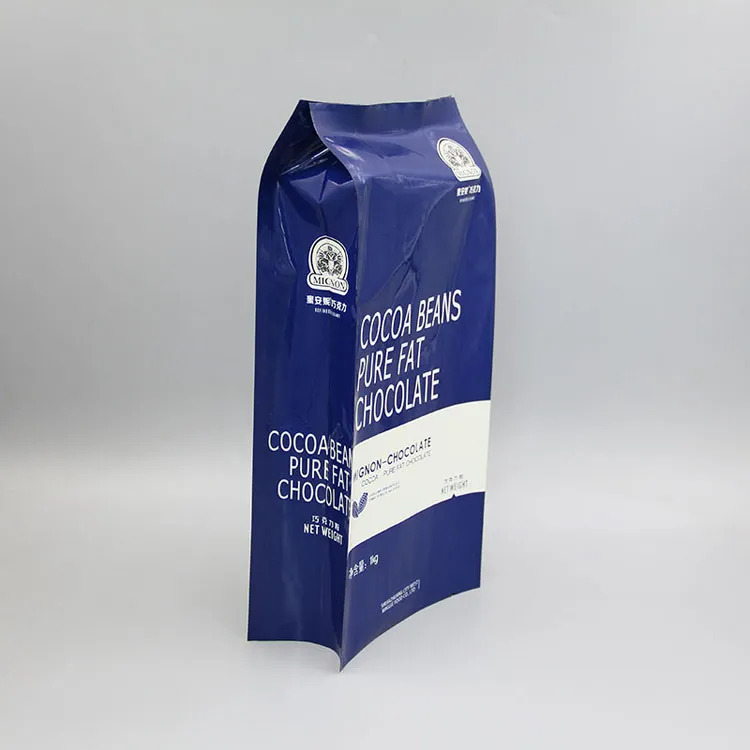
Figure 3: Advanced manufacturing line for 4 side seal pouches.
Tailoring the 4 Side Seal Pouch:
-
Material Combinations: Selection of specific polymers (PET, BOPP, Nylon, EVOH, PE, CPP) and barrier layers (Alu-foil, Metallized films) to achieve precise oxygen, moisture, and light protection. For instance, a coffee sachet would require a high-barrier foil laminate, whereas a pharmaceutical powder might need a transparent, high-oxygen barrier EVOH film.
-
Dimensional Specifications: Custom sizing to accommodate various fill volumes and product dimensions, ensuring optimal product-to-package ratio and minimizing waste.
-
Printing and Aesthetics: High-definition gravure or flexographic printing up to 10 colors, with options for matte or gloss finishes, metallic inks, and tactile varnishes to enhance shelf appeal.
-
Functional Features: Integration of easy-open tear notches, laser scoring, custom shaped seals, or even child-resistant features where required for safety and convenience.
-
Sustainable Options: Development of mono-material structures for recyclability, incorporation of PCR content, or biodegradable options in line with environmental mandates.
Application Case Studies (Generic Examples):
-
Pharmaceutical Single-Dose Powder: A client required a 4 side seal sachet for a moisture-sensitive probiotic powder. The solution involved a PET/Alu-foil/PE laminate to achieve an MVTR of < 0.1 g/(m²·24h), ensuring product stability over a 24-month shelf life. Custom tear notches were integrated for elderly-friendly opening.
-
Gourmet Spice Blend: A specialty food company needed packaging that preserved the potent aroma of their spice blend and offered premium visual appeal. A multi-layer OPP/MET-PET/PE structure was utilized with high-gloss gravure printing and an excellent aroma barrier, enhancing product shelf life and market presence.
-
Industrial Chemical Wipes: For an industrial client, a robust four side seal pouch was developed using a thick PET/Nylon/PE laminate to resist harsh chemical migration and provide exceptional puncture resistance, ensuring safety and integrity in demanding industrial environments.
These examples underscore the critical role of bespoke design in leveraging the full potential of 4 side seal bag technology to meet specific industry challenges and opportunities.
Ensuring Trust and Reliability (Google Focus)
In the B2B landscape, trust is foundational. As a reputable provider of 4 side seal bag solutions, we are committed to upholding the highest standards of Expertise, Experience, Authoritativeness, and Trustworthiness.
Certifications & Standards Adherence:
Our manufacturing processes and materials are rigorously compliant with international quality and safety benchmarks, including ISO 9001 for quality management, FDA regulations for food and pharmaceutical contact materials, and relevant ASTM standards for packaging performance. Many of our products also meet BRCGS Global Standard for Packaging Materials, signifying adherence to stringent hygiene and product safety protocols.
Quality Assurance & Testing Protocols:
Every batch of four side seal packaging undergoes comprehensive in-house quality control testing. This includes optical inspection for print accuracy, dimensional analysis, seal integrity testing (e.g., burst tests, vacuum leak detection), and barrier property verification (OTR/MVTR). We also engage third-party laboratories for independent audits and specialized testing, providing our clients with objective data and peace of mind.
Customer Feedback & Partnerships:
Our long-standing partnerships with leading brands in various sectors are a testament to our commitment to excellence. Clients consistently praise our technical responsiveness, customized solutions, and reliable delivery, often citing improved product shelf life and enhanced brand perception as direct benefits of our 4 side seal bag solutions. We view our clients as partners, collaborating to solve complex packaging challenges and achieve mutual success.
Frequently Asked Questions (FAQ) about 4 Side Seal Bags
- Q: What is the typical lead time for custom 4 side seal bag orders?
- A: Standard lead times for custom printed four side seal pouches typically range from 4-6 weeks after final artwork approval and material specification confirmation. Rush orders may be accommodated depending on production schedule availability.
- Q: What kind of warranty do you offer on your 4 side seal bag products?
- A: We stand by the quality of our products. Our 4 side seal bag solutions come with a guarantee against manufacturing defects, material delamination, and seal integrity failures under normal storage and usage conditions for a specified period (e.g., 12 months from delivery). Full warranty details are provided upon inquiry.
- Q: How do you handle after-sales support and technical inquiries?
- A: Our dedicated customer support team and technical specialists are available to assist with any post-purchase inquiries, technical issues, or performance optimization. We offer prompt response times and are committed to ensuring your complete satisfaction with our 4 side seal pouch solutions.
- Q: What are the minimum order quantities (MOQ) for 4 side seal sachets?
- A: MOQs for 4 side seal sachets vary depending on the specific dimensions, material structure, and printing requirements. Typically, MOQs start from 10,000 to 50,000 units, but we encourage you to contact us with your specific needs for a tailored quote.
- Q: Can your four side seal bags be used for hot-fill or retort applications?
- A: Yes, we offer specialized 4 side seal bag structures designed for hot-fill (up to 95°C) and retort (up to 121°C) applications. These use specific sealant layers and laminates engineered to withstand high temperatures and pressure, ensuring product safety and integrity during thermal processing.
Conclusion
The 4 side seal bag represents a pinnacle of flexible packaging engineering, offering an unparalleled combination of product protection, marketing versatility, and operational efficiency. Its robust construction, customizable material science, and adherence to stringent quality standards make it an ideal choice for B2B enterprises seeking to safeguard their products, extend shelf life, and enhance brand presentation across diverse, demanding industries. As market trends lean towards sustainability and increased consumer convenience, the continuous innovation in four side seal technology ensures its enduring relevance and strategic value in the global packaging landscape. Partnering with an expert manufacturer committed to quality and innovation is key to harnessing the full potential of this advanced packaging solution.
References
- Grand View Research. Flexible Packaging Market Size, Share & Trends Analysis Report. Published annually.
- ASTM International. (n.d.). Standards for Packaging. Retrieved from https://www.astm.org/products-services/standards-and-publications/standards/packaging-standards.html
- FDA. (n.d.). Packaging & Food Contact Substances. Retrieved from https://www.fda.gov/food/ingredients-additives-gras-packaging-guidance/packaging-food-contact-substances
- ISO. (n.d.). ISO 9001 - Quality management. Retrieved from https://www.iso.org/iso-9001-quality-management.html
- Packaging Digest. (n.d.). Industry trends and news. Retrieved from https://www.packagingdigest.com/

