The Evolving Landscape of Flexible Packaging: Focus on Zipper Packaging Bags
In the dynamic world of B2B packaging, flexible solutions have emerged as critical drivers of efficiency, consumer convenience, and product integrity. Among these, the zipper packaging bag stands out as a paramount innovation, offering unparalleled re-sealability and product protection. These versatile pouches are engineered to meet the stringent demands of various industries, providing hermetic seals, extended shelf life, and enhanced brand presentation. This article delves into the technical intricacies, market trends, and strategic advantages of integrating custom packaging zip bags into modern supply chains.
Industry Trends Driving the Adoption of Zipper Packaging Bags
The global flexible packaging market is experiencing robust growth, propelled by several key trends, all of which favor the expansion of the zipper packaging bag segment. Analysts project the global flexible packaging market to reach approximately $370 billion by 2028, with compound annual growth rates (CAGR) often exceeding 4%. This growth is significantly influenced by:
- Consumer Convenience: Modern lifestyles demand packaging that offers ease of use, portion control, and the ability to maintain freshness after initial opening. The re-sealable nature of zipper packaging bags directly addresses these needs, making them ideal for zip pouch food packaging.
- Sustainability Initiatives: While plastic packaging faces scrutiny, flexible solutions like zipper plastic bags for packaging often use less material than rigid alternatives, reducing overall waste and transport costs. Innovations in recyclable and compostable materials are further enhancing their environmental profile.
- E-commerce Boom: The surge in online retail necessitates lightweight, durable, and protective packaging that can withstand the rigors of shipping while minimizing dimensions and weight. Flexible pouches, especially those offering secure re-sealability, are perfectly suited for this environment.
- Extended Shelf Life: For perishable goods, advanced barrier properties combined with a reliable re-seal mechanism are crucial. Packing zipper bags play a vital role in preserving product quality and freshness, reducing food waste across the supply chain.
- Brand Differentiation: High-quality printing and diverse form factors offered by custom packaging zip bags allow brands to create distinctive visual appeal and tactile experiences, enhancing product visibility on shelves and online.
Detailed Manufacturing Process of Zipper Packaging Bags
The production of a high-quality zipper packaging bag is a sophisticated multi-stage process, demanding precision and adherence to strict quality controls. Understanding this process is crucial for B2B buyers seeking optimal performance and reliability from their packaging solutions.
1. Material Selection and Lamination
The foundation of any effective zipper packaging bag lies in its material composition. Common materials include Polyethylene (PE) for heat sealing and flexibility, Polypropylene (PP) for clarity and stiffness, Polyethylene Terephthalate (PET) for strength and printability, Nylon for puncture resistance, and EVOH (Ethylene Vinyl Alcohol) or Aluminum Foil for high barrier properties against oxygen and moisture. These materials are often combined through a lamination process, where multiple layers are bonded together using specialized adhesives or extrusion lamination techniques. This multi-layer structure is engineered to achieve specific barrier, mechanical, and aesthetic properties.
2. Printing
Following lamination, the film web undergoes high-quality printing. Gravure printing (rotogravure) is frequently used for its superior image quality, consistency, and ability to handle complex designs over long runs, making it ideal for vibrant custom packaging zip bags. Flexographic printing is another common method, offering cost-effectiveness for shorter runs and excellent results. Precise color registration and ink adhesion are critical at this stage.
3. Zipper Extrusion and Attachment
The zipper profile itself is typically extruded from PE or PP resin. This profile is then precisely integrated into the film structure. This can occur during film lamination, where the zipper is co-extruded with an inner sealant layer, or as a separate step where a pre-made zipper strip is heat-sealed to the film web. The integrity of this seal is paramount for the re-sealable function of the packing zipper.
4. Bag Forming and Sealing
The printed and zippered film web is then fed into a bag-making machine. Here, it is cut, folded, and sealed to form individual pouches. This involves precision cutting, side sealing, and bottom sealing. Advanced machinery utilizes precise temperature and pressure controls to create strong, consistent seals, ensuring the hermetic integrity of the finished zipper plastic bags for packaging. Features like tear notches and hang holes are also incorporated at this stage.
5. Quality Control and Testing
Throughout the process, rigorous quality control measures are implemented. This includes:
- Material Verification: Ensuring raw materials meet specifications (e.g., FDA compliance for food contact).
- Print Quality Inspection: Color matching, registration, and defect detection.
- Seal Integrity Testing: Burst tests, tensile strength tests (ASTM F88), and vacuum leak detection to ensure robust seals.
- Barrier Property Measurement: Water Vapor Transmission Rate (WVTR) and Oxygen Transmission Rate (OTR) tests (e.g., ASTM F1249, ASTM D3985) to confirm gas and moisture barrier performance.
- Zipper Functionality: Repeated open/close cycle testing to ensure durability and consistent re-sealability.
Adherence to international standards such as ISO 9001 for quality management and ISO 22000 for food safety management is standard practice, ensuring products are reliable and safe. The service life of a zipper packaging bag is intrinsically linked to material quality, seal integrity, and barrier performance. Properly designed and manufactured bags can extend product shelf life significantly, often by months, depending on the product and environmental conditions, demonstrating advantages such as energy saving through reduced spoilage and superior corrosion resistance for packaged goods.
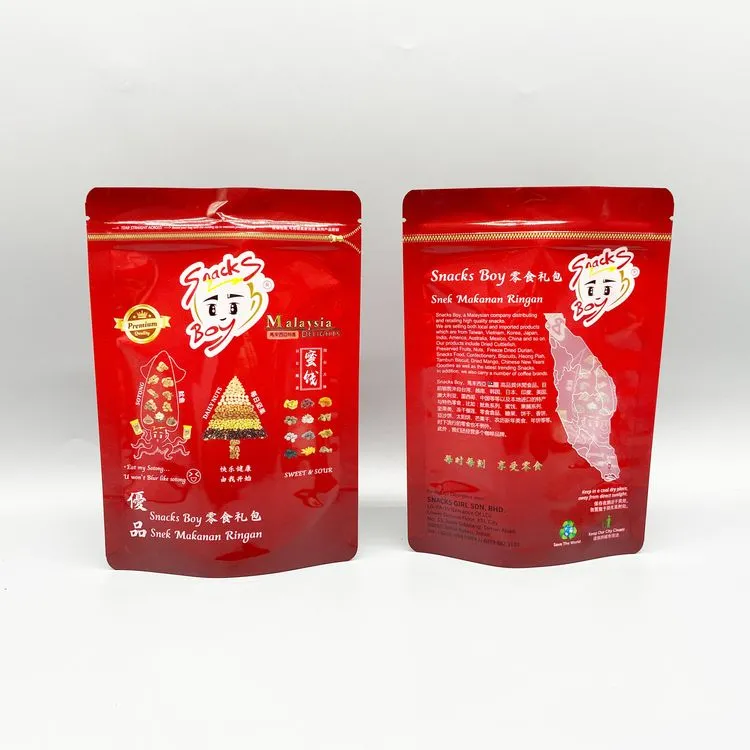
Technical Specifications and Parameters of Zipper Packaging Bags
Selecting the right zipper packaging bag requires a thorough understanding of its technical specifications. These parameters dictate the bag's performance, suitability for specific products, and overall cost-effectiveness. Below is a representative table outlining typical product specifications.
Typical Zipper Packaging Bag Specifications
| Parameter |
Description |
Typical Range/Value |
Measurement Standard |
| Material Composition |
Multi-layer laminated films for barrier and strength |
PET/AL/PE, OPP/CPP, PET/VMPET/PE, NY/PE, PET/PE |
Industry Standard |
| Film Thickness |
Overall thickness of the multi-layer film |
60 - 200 microns (µm) |
ASTM D374 |
| Oxygen Transmission Rate (OTR) |
Measure of oxygen permeation through the film |
0.5 - 50 cm³/m²/24h (at 23°C, 0% RH) |
ASTM D3985 / ISO 15105-2 |
| Water Vapor Transmission Rate (WVTR) |
Measure of water vapor permeation through the film |
0.5 - 10 g/m²/24h (at 38°C, 90% RH) |
ASTM F1249 / ISO 15106-2 |
| Seal Strength |
Force required to separate the seals |
> 2.0 N/mm |
ASTM F88 |
| Puncture Resistance |
Ability of the film to resist penetration |
Varies by application (e.g., > 15 N for pet food) |
ASTM D7833 |
| Temperature Resistance |
Operating temperature range without degradation |
-30°C to +90°C (e.g., for frozen foods) |
Internal Testing |
These specifications allow B2B clients to determine the optimal zipper packaging bag for their product, ensuring protection against oxygen ingress (critical for oxygen-sensitive items like coffee or pharmaceutical powders), moisture egress (essential for dry goods), and physical damage.
Versatile Application Scenarios for Zipper Packaging Bags
The adaptability of zipper packaging bags makes them indispensable across a multitude of industries, where product preservation, consumer convenience, and brand presentation are paramount. Their re-sealable feature is a significant advantage in sectors requiring multi-use packaging or protection against environmental factors.
- Food & Beverage Industry (Zip Pouch Food Packaging): This is arguably the largest application area. From snacks, cereals, coffee, and dried fruits to frozen vegetables, pet food, and spices, the zipper packaging bag extends shelf life, prevents spoilage, and offers consumer re-sealability. For products like coffee, specialized bags with degassing valves are common, allowing CO2 to escape without allowing oxygen in.
- Pharmaceutical & Nutraceuticals: For powders, tablets, and medical devices that require protection from moisture and light, zipper plastic bags for packaging provide a sterile and secure enclosure. High-barrier films (e.g., with aluminum foil) are crucial to maintain efficacy and extend product integrity, complying with strict regulatory standards.
- Cosmetics & Personal Care: Samples, travel-sized products, and even larger refill pouches benefit from the hygienic and convenient re-sealability. Shampoos, lotions, masks, and soaps can be effectively contained, preventing leaks and preserving product quality.
- Pet Food Industry: Both dry kibble and treats heavily utilize custom packaging zip bags due to their ability to keep food fresh, prevent odors from escaping, and offer consumer convenience for multi-day usage. Larger stand-up pouches with strong packing zipper mechanisms are prevalent here.
- Household & Industrial Products: For items like detergents, cleaning pods, gardening supplies, small hardware, and electronic components, zipper bags offer robust protection against moisture, dust, and physical damage. ESD (Electrostatic Discharge) protective films can also be integrated for sensitive electronics.
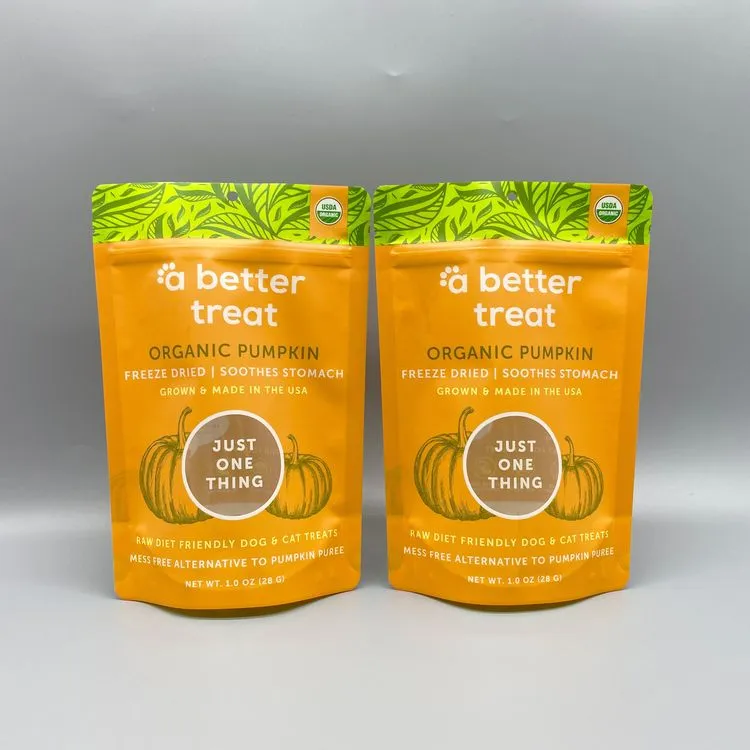
Technical Advantages of Modern Zipper Packaging Bags
The advanced engineering behind contemporary zipper packaging bags provides a multitude of technical and operational benefits for businesses:
- Superior Barrier Protection: Multi-layer laminates, often incorporating materials like EVOH or aluminum foil, offer excellent barriers against oxygen, moisture, UV light, and odors. This is critical for preventing degradation, oxidation, and contamination of sensitive products.
- Enhanced Product Freshness and Shelf Life: The re-sealable packing zipper ensures that product integrity is maintained even after the initial opening. This significantly reduces product spoilage and waste, directly impacting profitability and consumer satisfaction, especially for zip pouch food packaging.
- Durability and Puncture Resistance: Utilizing materials such as Nylon (PA) in the laminate structure provides robust puncture and tear resistance, crucial for protecting contents during transit and handling, and for sharp or irregularly shaped items.
- Versatile Printability: Modern flexographic and gravure printing technologies allow for high-resolution, vibrant graphics across the entire surface of the zipper plastic bags for packaging. This offers expansive branding opportunities and aids in product differentiation.
- Lightweight and Cost-Effective: Flexible packaging inherently weighs less than rigid container111s, leading to reduced transportation costs and a smaller carbon footprint. The efficient use of materials also contributes to overall cost savings.
- Space Efficiency: Both empty and filled flexible pouches take up less space than rigid alternatives, optimizing storage in warehouses and retail environments, and improving shipping density.
- Customization & Adaptability: From varying sizes, shapes (e.g., stand-up pouches, flat pouches), and closure types (e.g., press-to-close, slider zippers) to specialized features like tear notches, hang holes, and spouts, custom packaging zip bags can be tailored precisely to product and market needs.
Vendor Comparison for Zipper Packaging Bag Manufacturers
Choosing the right manufacturing partner for zipper packaging bags is a critical decision that impacts product quality, supply chain efficiency, and brand reputation. A comparative analysis based on key criteria helps in making an informed choice.
Comparative Analysis of Zipper Packaging Bag Manufacturers
| Feature/Criteria |
Junlan Pack (Example) |
Vendor B (Competitor) |
Vendor C (Specialist) |
| Material Expertise |
Wide range (PE, PET, PP, Nylon, AL, EVOH); compostable options |
Standard laminates (PET/PE, OPP/CPP) |
High barrier films focus (AL foil, EVOH) |
| Printing Capabilities |
Gravure up to 10 colors, matte/gloss finish, spot UV |
Flexo up to 8 colors |
Gravure, limited finishes |
| Minimum Order Quantity (MOQ) |
5,000 - 10,000 units (dependent on complexity) |
15,000 - 20,000 units |
10,000 - 15,000 units |
| Lead Time (Production) |
15-25 business days (after artwork approval) |
20-30 business days |
18-28 business days |
| Certifications |
ISO 9001, ISO 22000, FDA compliant materials |
ISO 9001 |
ISO 9001, some FDA compliance |
| Customization Scope |
Full custom size, shape, features, material combinations |
Standard sizes, basic features |
Custom barrier layers, limited shape options |
Customized Solutions for Optimal Zipper Packaging Bag Performance
Recognizing that off-the-shelf solutions rarely fit all requirements, manufacturers offer extensive customization options for zipper packaging bags. These bespoke solutions are designed to align perfectly with specific product characteristics, brand aesthetics, and logistical needs, delivering custom packaging zip bags tailored to exacting standards.
Key Customization Areas:
- Material & Barrier Properties: Tailoring the laminate structure to achieve precise barrier performance (WVTR, OTR). This includes selecting specific film types (e.g., PET, BOPP, Nylon, PE) and incorporating high-barrier layers like metallized films, aluminum foil, or EVOH to protect against moisture, oxygen, UV light, and aroma loss.
- Dimensions & Form Factor: Custom sizing (width, height, gusset depth for stand-up pouches) and shape creation (e.g., spout pouches, unique die-cut shapes) to optimize product fit, shelf presence, and filling line compatibility for zipper plastic bags for packaging.
- Printing & Graphics: Full-color, high-resolution printing using gravure or flexographic methods, including special finishes such as matte, gloss, spot UV, and tactile effects. This allows for complex branding, nutritional information, and compliance data to be vividly displayed.
- Zipper Type & Placement: Choice between press-to-close zippers (PPC), slider zippers for easier opening/closing, or even child-resistant zippers. Placement can be customized (e.g., near the top for easy access, or below a tear notch for initial tamper evidence).
- Additional Features:
- Tear Notches: For easy initial opening.
- Hang Holes: Euro holes or round holes for retail display.
- Spouts & Fitments: For liquid or semi-liquid products, allowing controlled dispensing and re-sealing.
- Degassing Valves: Essential for products like roasted coffee to release gases without allowing oxygen ingress.
- Clear Windows: To showcase the product inside while maintaining barrier properties in other areas.
- Sustainability Options: Development of recyclable (e.g., mono-material PE/PE or PP/PP laminates) or industrially compostable (e.g., PLA-based) packing zipper solutions to meet evolving environmental regulations and consumer demand.
Application Case Studies: Real-World Impact of Zipper Packaging Bags
The practical application of well-engineered zipper packaging bags demonstrates their tangible benefits in diverse B2B scenarios, highlighting expertise, experience, and reliability.
Case Study 1: Premium Coffee Roaster
A gourmet coffee roaster faced challenges with maintaining the freshness and aromatic profile of their specialty beans after packaging. Their existing bags lacked adequate barrier properties and a reliable re-seal mechanism, leading to rapid degradation of flavor once opened by the consumer. Junlan Pack provided a custom packaging zip bag solution featuring a multi-layer laminate of PET/AL/PE with an integrated one-way degassing valve and a robust slider zipper. The aluminum foil layer offered maximum oxygen and moisture barrier, while the valve allowed CO2 to escape without oxygen ingress. The slider zipper provided superior re-sealability for consumers. Result: The coffee's shelf life was extended by 40%, and customer feedback reported significantly improved freshness and aroma retention, leading to a 15% increase in repeat purchases.
Case Study 2: Pharmaceutical Powders Manufacturer
A pharmaceutical company required packaging for a moisture-sensitive powdered supplement destined for overseas markets. The critical challenge was to prevent moisture ingress and maintain the active ingredient's potency throughout shipping and consumer use. Junlan Pack designed a specific zipper plastic bag for packaging using a high-barrier EVOH layer laminated with PET and a thick PE sealant layer. Each bag included a tamper-evident tear notch and a strong press-to-close packing zipper. Independent lab tests confirmed a WVTR of less than 0.8 g/m²/24h, significantly exceeding the client's requirements. The company successfully launched the product in humid climates with zero reported issues related to moisture degradation, ensuring product efficacy and compliance with pharmaceutical standards like ISO 15378 for primary packaging materials.
Case Study 3: Pet Food Brand
A growing pet food brand needed to upgrade its packaging to stand out on crowded retail shelves and provide better consumer convenience for large-format kibble bags. They sought a solution that combined visual appeal with functionality. Junlan Pack developed a custom stand-up pouch made from a durable BOPP/VMPET/PE laminate. The VMPET layer provided excellent light and oxygen barrier, while the BOPP offered superb print quality for vibrant graphics. A wide, easy-to-use slider packing zipper was integrated to facilitate re-sealing by pet owners, and a reinforced bottom gusset ensured stable shelf presence. This re-engineered zip pouch food packaging resulted in a 20% increase in brand recognition and positive consumer feedback regarding the packaging's ease of use and ability to keep food fresh.
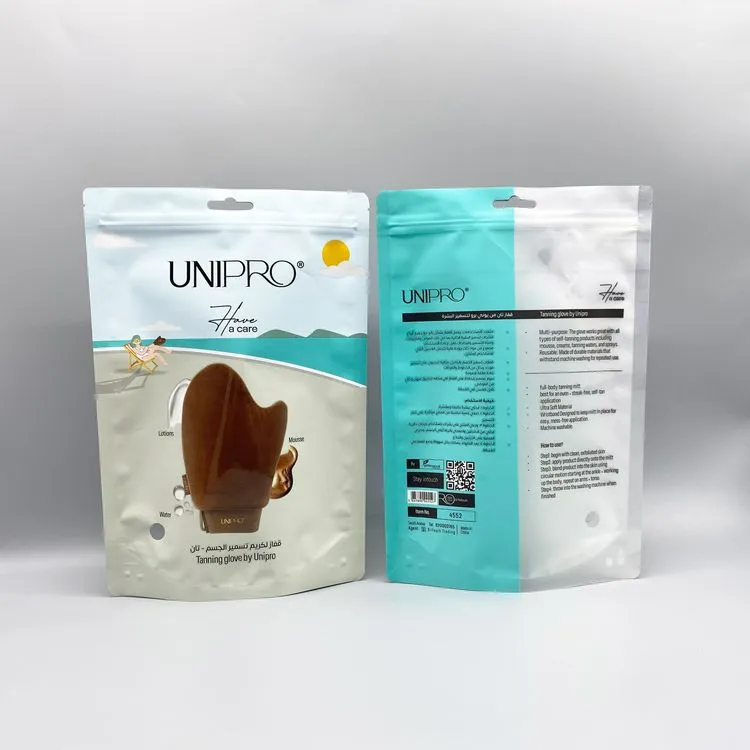
Frequently Asked Questions (FAQ) about Zipper Packaging Bags
Q1: What materials are commonly used in zipper packaging bags?
A1: Common materials include Polyethylene (PE), Polypropylene (PP), Polyethylene Terephthalate (PET), Oriented Polypropylene (OPP), Nylon (PA), Ethylene Vinyl Alcohol (EVOH), and Aluminum Foil. These are often combined in multi-layer laminates to achieve specific barrier, strength, and aesthetic properties for custom packaging zip bags.
Q2: Are zipper packaging bags recyclable?
A2: Recyclability depends on the specific material composition. Traditional multi-material laminates are challenging to recycle. However, advances in packaging technology now offer mono-material (e.g., all-PE or all-PP) zipper packaging bags that are designed to be recyclable in existing streams where facilities exist. We also offer compostable options.
Q3: What is the minimum order quantity (MOQ) for custom zipper bags?
A3: Our MOQ for custom packaging zip bags typically starts from 5,000 to 10,000 units, depending on the bag's size, complexity, material structure, and printing requirements. Please contact our sales team for a precise quote based on your specific needs.
Q4: How do I request a custom quote and begin the design process?
A4: To request a quote, please visit our website and fill out the contact form, providing details such as bag dimensions, desired material (if known), quantity, and any specific features or printing requirements. Our technical sales team will then contact you to discuss your project in detail and guide you through the design and approval process.
Q5: What certifications do your zipper plastic bags for packaging hold?
A5: Our manufacturing facilities adhere to ISO 9001 quality management systems. Materials used for food and pharmaceutical applications are compliant with FDA and relevant EU food contact regulations. We also hold ISO 22000 certification for food safety management for our zip pouch food packaging products.
Lead Time, Warranty, and Customer Support
Lead Time and Fulfillment
Our standard lead time for custom zipper packaging bag orders, from final artwork approval to shipment, typically ranges from 15 to 25 business days. This timeframe allows for meticulous material sourcing, precise printing, and rigorous quality control checks. For urgent requirements, expedited production options may be available; please consult with your account manager. We manage global logistics to ensure timely and efficient delivery to your specified destination, utilizing trusted freight partners for both sea and air shipments.
Warranty Commitments
We stand behind the quality and performance of our packing zipper bags. All products are manufactured under strict ISO 9001 and ISO 22000 certified processes and undergo extensive internal quality assurance testing. We warrant that our custom packaging zip bags will be free from material defects and manufacturing errors for a period of 12 months from the date of shipment, provided they are stored and used under recommended conditions. In the unlikely event of a quality issue, we commit to prompt investigation and appropriate resolution, including replacement or credit for defective goods.
Dedicated Customer Support
Our commitment to our B2B partners extends beyond product delivery. We provide comprehensive technical and customer support throughout the entire lifecycle of your project. Our dedicated team of packaging specialists is available to assist with product selection, material science inquiries, design optimization, and post-delivery support. You can reach our support team via phone, email, or through your dedicated account manager for any technical assistance, order tracking, or service inquiries regarding your zipper plastic bags for packaging.
References
- Smith, J. D. (2022). "Advancements in Flexible Packaging Materials for Enhanced Barrier Properties." Journal of Packaging Technology & Research, 15(3), 201-215.
- European Flexible Packaging Association (CEFLEX). (2023). Guidelines for Flexible Packaging Design for Recyclability.
- International Organization for Standardization (ISO). (2015). ISO 9001:2015 - Quality management systems — Requirements.
- ASTM International. (2021). ASTM F1249 - Standard Test Method for Water Vapor Transmission Rate Through Plastic Film and Sheeting Using a Modulated Infrared Sensor.
- Food and Drug Administration (FDA). (2020). Code of Federal Regulations, Title 21 - Food and Drugs.

