Insider’s guide to choosing vacuum pack machines—and the bags that actually make them sing
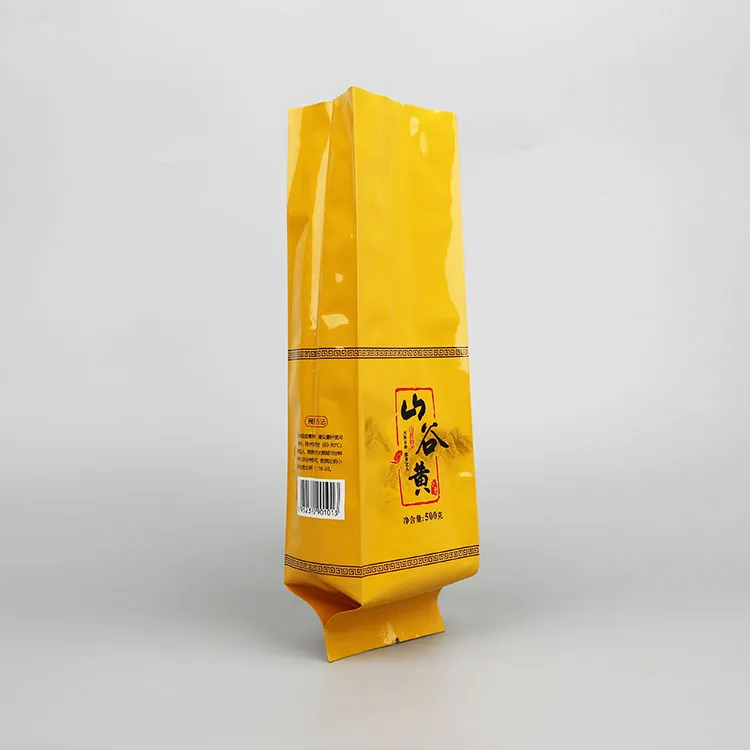
If you’re hunting for vacuum pack machines for sale, here’s a real-world tip from the factory floor: the bag matters just as much as the motor. I’ve toured plants from Europe to North China, and the best runs I’ve seen came from well-matched bags and calibrated seal bars. In fact, I spent a morning at a facility in Xiongan New Area, Hebei—Xiongxian Economic Development Zone (East Zone), to be precise—watching multi-layer film become rugged, crystal-clear Vacuum Packing Bags that slot neatly into both chamber and external suction machines.
To be honest, many customers say machine specs are easier to compare than film science. That’s fair. So below, I’ll run through trends, specs, and a practical buying checklist—plus a quick peek at test data and standards you can actually reference when qualifying your line.
Market trends (what’s really moving)
- Shift to multi-layer PA/PE films for better puncture resistance and clear presentation.
- More sous-vide, ready-meal, and meal-kit applications—temperature tolerance matters.
- Retail is asking for batch traceability; factories respond with ISO-certified QA and barcode lot tracking.
- Smaller businesses want compact chambers, but they still demand pro-grade bags to minimize leakers.
Quick vendor snapshot for machines
Here’s a bite-size comparison I keep in my notebook when people ask where to start (not exhaustive, real-world use may vary):
| Vendor |
Best for |
Seal bar width |
Certs |
Lead time |
Warranty |
| NeoPack 300C |
Cafés, small butchers |
≈ 300 mm |
CE |
2–4 weeks |
12 months |
| FreshSeal Pro 500 |
Mid-size processors |
≈ 500 mm dual |
CE, UL |
3–6 weeks |
24 months |
| CompactChef SV |
Sous-vide & catering |
≈ 320 mm |
CE |
1–3 weeks |
12 months |
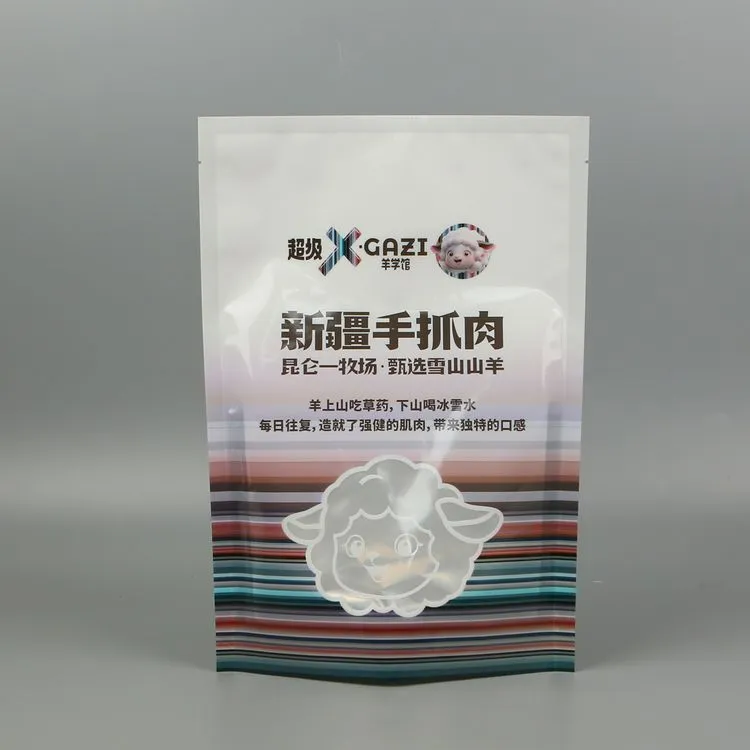
Product spotlight: Vacuum Packing Bag (for your chamber or external machine)
Origin: Xiongxian Economic Development Zone (East Zone), Xiongan New Area, Hebei Province, China. These bags are built for both household and commercial duty—meat, cheese, sauce pouches, even coffee (with nitrogen flush).
| Spec |
Typical value (≈) |
Notes |
| Structure |
PA/PE co-ex |
High clarity, puncture resistant |
| Thickness |
70–150 μm |
90 μm common for meat blocks |
| OTR |
≈ 30–60 cc/m²·day |
ASTM D3985; depends on layer design |
| WVTR |
≈ 3–8 g/m²·day |
ASTM F1249 |
| Seal strength |
≥ 20 N/15 mm |
ASTM F88; FMEA-tested in-house |
| Temp range |
-20°C to +95°C |
Short boil tolerant; sous-vide ready |
| Certifications |
FDA 21 CFR, EU 10/2011, ISO 22000 |
Food-contact compliant materials |

How they’re made (process flow)
- Materials: food-grade PA and PE resin, optional EVOH for higher barrier.
- Method: blown co-extrusion → corona treatment → optional printing → bag making (side seal/three-side seal, gusset).
- Testing: OTR (ASTM D3985), WVTR (ASTM F1249), seal strength (ASTM F88), migration tests per EU 10/2011; burst testing for QC.
- Service life: ≈ 24–36 months in cool, dry storage; real-world use may vary by UV exposure and humidity.
- Industries: meat/seafood, cheese/deli, prepared meals, bakery, coffee, hardware kits.
Real-use scenarios and results
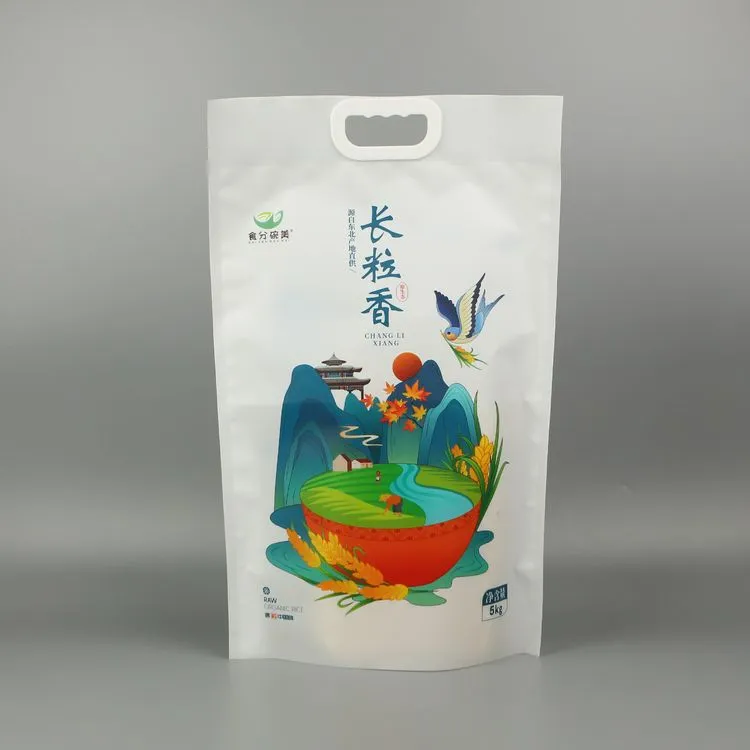
- Butcher shop: switched to 90 μm PA/PE; spoilage down ≈ 30%, display clarity up. “No more Monday-morning leakers,” the owner told me.
- Meal-prep brand: sous-vide at 85°C for 2 hours; seal integrity passed random ASTM F88 pulls across 6 lots.
If you’re scanning listings for vacuum pack machines for sale, match your seal bar to bag width (bag should be ≤ 90% of bar length), and verify your film’s seal window suits the machine’s impulse settings. Sounds basic, but it’s where most headaches start.
Buying checklist (fast)
- Load: product size, liquid content, bones/edges (pouch puncture spec).
- Cycle rate: chamber size vs. throughput; verify pump capacity.
- Compliance: FDA/EU food-contact docs, CoC, migration test reports.
- Trials: request 100–200 bag samples and run them on your short-listed units.
- Data: ask for OTR/WVTR and ASTM F88 seal-strength numbers—don’t accept “it’s fine.”
Summary: whether you pick a NeoPack, FreshSeal, or another brand from the sea of vacuum pack machines for sale, pair it with a proven PA/PE bag and insist on test data. It seems obvious, but the teams that do this ship more reliably—and sleep better.
Citations
- ASTM D3985 & F1249: Oxygen and Water Vapor Transmission Rate test methods.
- ASTM F88: Standard Test Method for Seal Strength of Flexible Barrier Materials.
- FDA 21 CFR 177.1520: Olefin polymers for food contact; EU 10/2011 on plastic materials intended to contact food.
- ISO 22000 / FSSC 22000: Food safety management systems.

