Field Notes from the Packaging Line: Why the Zipper Packaging Bag still wins in 2025
Last month I was back in Xiongan New Area, Hebei—specifically the Xiongxian Economic Development Zone (East Zone). It’s not flashy, but it’s where a surprising amount of high-spec flexible packaging gets made. And to be honest, every time I walk a lamination line I’m reminded why the humble Zipper Packaging Bag keeps edging out tins, tubs, and paper boxes: it delivers barrier, reclosability, and branding space without punishing logistics.
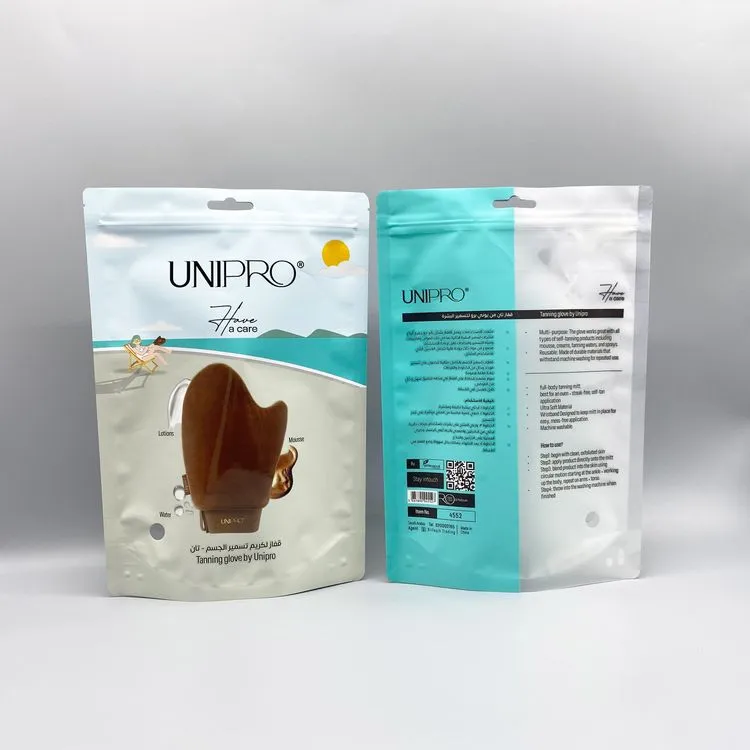
Industry snapshot: what’s actually changing
Three trends keep coming up in buyer calls: mono-material recyclability, lower MOQ with faster changeovers, and child-resistant or slider closures. In fact, many customers say the switch to PE-only structures (for store-drop recycling) reduced their brand’s packaging tax exposure in certain markets—while keeping the “feel” of premium laminates with matte varnishes.
Quick specs that matter in the real world
| Material options |
PET/PE, PA/PE, BOPP/CPP, mono-PE (LLDPE/MDPE), PE+EVOH for high barrier |
| Thickness |
≈60–200 μm total, common sweet spot 90–120 μm |
| Zipper types |
Press-to-close, slider, child-resistant (CR), powder-proof zips |
| Barrier (approx.) |
OTR ≈ 0.5–40 cc/m²·day; MVTR ≈ 0.5–8 g/m²·day (depends on structure; real-world use may vary) |
| Printing |
Gravure or digital; up to 10 colors; matte/soft-touch/spot gloss; clear window optional |
| Compliance |
FDA 21 CFR food-contact resins, EU food-contact where specified; ISO 9001; BRCGS Packaging |
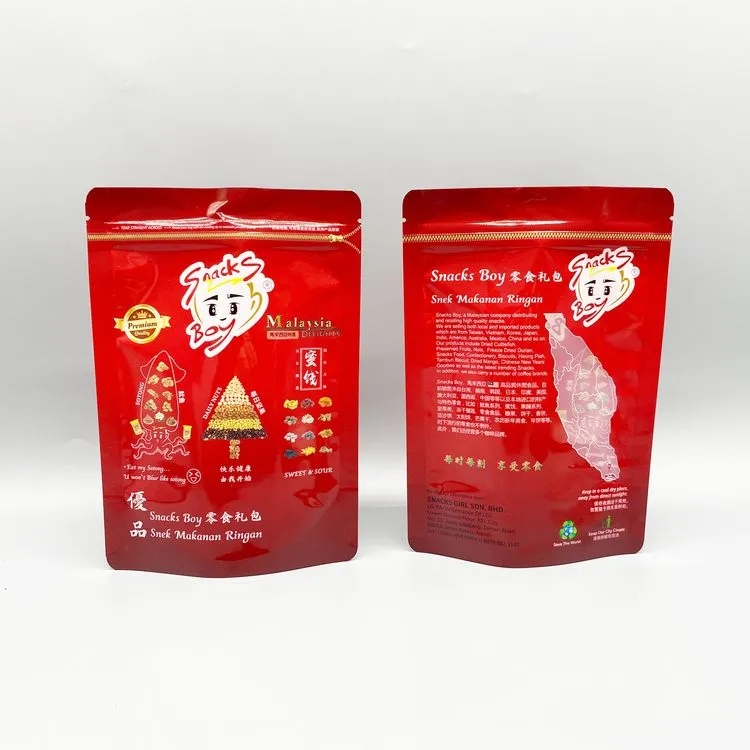
How it’s made (short version) and why that matters
Materials arrive as resin and films, then either co-extruded or laminated (solvent or solventless). Webs are corona-treated, printed, and laminated; after curing, they’re slit and pouch-made (gusset forming, zipper insertion, die-cut hang holes, valve if needed). QC runs ASTM D882 tensile, F88 seal strength, D3985 OTR, F1249 MVTR, and D1709 dart impact; leaks are screened by ASTM D3078 bubble testing. Service life? Stored cool and dry, unopened packs typically hold 12–24 months, though—yes—contents, barrier, and transit conditions tweak that window.
Vendor landscape (what buyers quietly compare)
| Vendor |
Certs |
MOQ |
Lead time |
Customization |
Notes |
| Junlan (Xiongxian, Hebei) |
ISO 9001, BRCGS Packaging |
≈5k–10k |
12–20 days typical |
Mono-PE, CR zips, valves |
Strong cost-to-quality balance |
| Regional Factory A |
ISO 22000 (line-dependent) |
≈15k+ |
20–30 days |
Standard zips, limited digital |
Competitive on large volumes |
| Overseas Trader B |
Varies (outsourced) |
Flexible |
18–35 days |
Artwork handling |
Convenient, but margin-added |
Use cases, results, and the occasional surprise
Food and beverage (coffee, nuts, jerky), pet treats, seeds, supplements, cosmetics, even small hardware—these are the bread and butter. E-commerce apparel uses larger stand-up variants to cut volumetric weight. A mid-sized coffee roaster I spoke with switched to high-barrier Zipper Packaging Bag with a one-way valve and saw returns for staling drop by around 18% over two quarters—internal QC and customer feedback aligned for once, which, frankly, is rare.
Customization bits buyers ask for: child-resistant sliders for compliance-sensitive SKUs, shaped pouches, laser scoring for clean tear, matte windows (yes, you can do that), and 20–30% PCR content where regulations and mechanics allow.
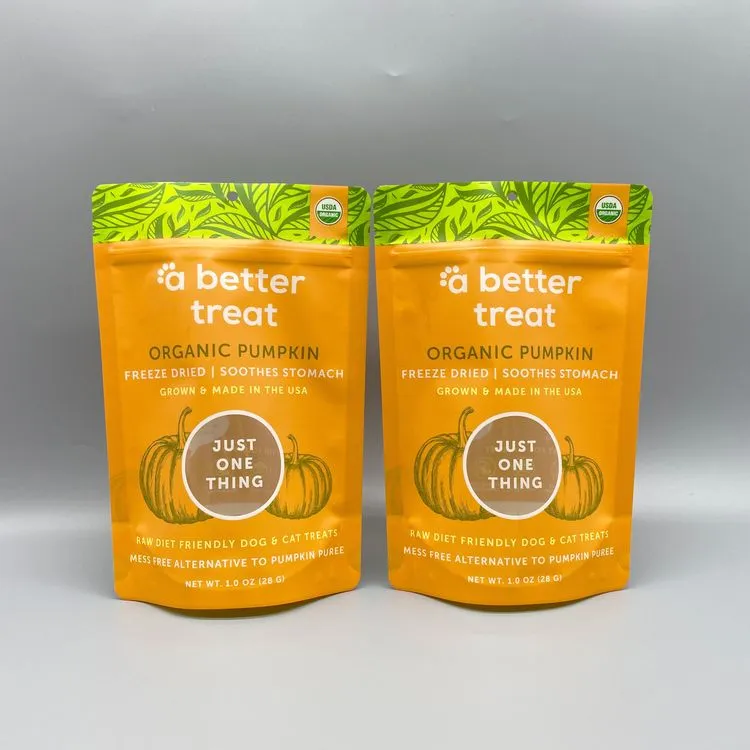
Testing, data, and compliance at a glance
- Seal strength (ASTM F88): ≈ 4–8 N/15mm typical for consumer pouches
- OTR (ASTM D3985) and MVTR (ASTM F1249): match product sensitivity; coffee wants low OTR, powders worry more about MVTR
- Impact (ASTM D1709) and drop: choose thickness + gusset style based on ship testing
- Certifications: ISO 9001; BRCGS Packaging typically required by global retailers
- Food-contact: select resins compliant with FDA 21 CFR and relevant EU regulations
Bottom line? If you need a practical, brandable, and cert-backed flexible pack, a well-built Zipper Packaging Bag from a shop in Xiongxian—where the process discipline is mature—will check more boxes than most alternatives, and usually at a friendlier landed cost.
References
- ASTM D3985 – Oxygen Transmission Rate
- ASTM F1249 – Water Vapor Transmission Rate
- ASTM F88 – Seal Strength of Flexible Barrier Materials
- FDA 21 CFR 177 – Indirect Food Additives: Polymers
- BRCGS Packaging Materials Standard

