Introduction to Advanced Aluminum Foil Packaging Solutions
In the dynamic landscape of industrial and consumer goods, the demand for high-performance packaging solutions is paramount. Leading this innovation, the aluminum foil packaging bag stands out as a critical component for preserving product integrity, extending shelf life, and ensuring safe transport. Engineered with precision, these bags offer superior barrier properties against moisture, oxygen, light, and contaminants, making them indispensable across a multitude of sectors. This article delves into the technical intricacies, market trends, and application versatility of modern aluminum foil packaging.
From sophisticated multi-layer laminates to custom-tailored designs, understanding the full scope of these packaging solutions is essential for B2B decision-makers seeking to optimize their product delivery and customer satisfaction. We will explore the manufacturing excellence, rigorous testing standards, and diverse applications that underscore the value of high-quality aluminium foil pouches.
Industry Trends and Market Outlook for Aluminum Foil Packaging
The global market for aluminum foil packaging bag solutions is experiencing robust growth, driven by several key macro and microeconomic factors. According to a report by Grand View Research, the global flexible packaging market size was valued at USD 248.0 billion in 2022 and is expected to grow at a compound annual growth rate (CAGR) of 4.8% from 2023 to 2030, with a significant portion attributed to barrier packaging. Key trends include:
-
Sustainability Initiatives: Increasing demand for lighter-weight, recyclable, and resource-efficient packaging materials. While aluminum foil offers excellent barrier properties, manufacturers are innovating with thinner gauges and improved recycling infrastructure.
-
E-commerce Boom: The surge in online retail necessitates packaging that can withstand the rigors of shipping, providing enhanced product protection against physical damage, temperature fluctuations, and contamination.
-
Extended Shelf Life: Consumers and businesses alike demand products with longer shelf lives to reduce waste and optimize logistics. High-barrier aluminium foil pouches are critical for achieving this, especially for perishable goods.
-
Customization and Branding: The need for bespoke packaging designs, high-quality graphics, and specialized features (e.g., resealable zippers, spouts, ergonomic handles) continues to grow, allowing brands to differentiate their products.
-
Food Safety and Regulatory Compliance: Strict global regulations for food contact materials and pharmaceutical packaging drive innovation in material science and manufacturing processes, ensuring compliance and consumer safety.
These trends underscore the enduring relevance and continuous evolution of the aluminum foil bag for food packaging and other sensitive products, positioning it as a cornerstone of modern packaging strategies.
The Manufacturing Process of Aluminum Foil Packaging Bag
The creation of a high-performance aluminum foil packaging bag involves a sophisticated multi-stage manufacturing process, emphasizing precision engineering and quality control at every step. This ensures the final product meets stringent barrier, strength, and aesthetic requirements.
Process Flow Diagram:
1. Material Sourcing & Preparation
(Aluminum Foil, PET, Nylon, PE films)
→
2. Printing
(Gravure/Flexographic on outer layer)
→
3. Lamination
(Multi-layer bonding, adhesive curing)
→
4. Slitting
(Converting master rolls to desired widths)
→
5. Bag Forming & Sealing
(Heat sealing side seams, bottom, cutting)
→
6. Quality Control & Testing
(Leak test, seal strength, barrier integrity)
→
7. Packaging & Shipment
(Ready for delivery)
Key Stages and Specifications:
-
Product Materials: Typical constructions for aluminium foil pouches include PET/AL/PE, NY/AL/PE, or even more complex structures like PET/AL/CPP for specific thermal resistance needs. The aluminum foil layer typically ranges from 6.35 microns (0.25 mil) to 9 microns (0.35 mil), providing the core barrier.
-
Manufacturing Processes:
-
Gravure Printing: Utilized for high-definition graphics and precise color reproduction, critical for brand visibility.
-
Dry Lamination: Adhesives are applied and cured, bonding multiple film layers together under controlled temperature and pressure, creating a robust composite structure.
-
Precision Slitting: Computer-controlled slitting machines ensure accurate width and tension control, minimizing material waste.
-
Bag Forming and Heat Sealing: Automated machinery forms the rollstock into individual bags or pouches, employing precise temperature and pressure to create strong, hermetic seals (e.g., fin seal, lap seal, gusseted).
-
Testing Standards: Adherence to international standards is crucial.
-
ASTM F1249: Water Vapor Transmission Rate (WVTR)
-
ASTM D3985: Oxygen Transmission Rate (OTR)
-
ASTM F88/F88M: Seal Strength (Peel and Burst Testing)
-
ISO 9001: Quality Management Systems (Ensuring consistent product quality).
-
FDA/EU Regulations: Compliance for food contact and pharmaceutical applications.
-
Service Life: Properly manufactured and stored, these bags can maintain their barrier integrity for several years (e.g., 3-5 years under ambient conditions), directly contributing to extended product shelf life, which can range from months to years depending on the packaged contents.
-
Demonstrated Advantages: Beyond barrier properties, the multi-layer construction offers resistance to punctures, tears, and abrasion, crucial for product protection during transit and handling. The light barrier capability prevents UV degradation, vital for photosensitive products.
Technical Specifications and Material Science
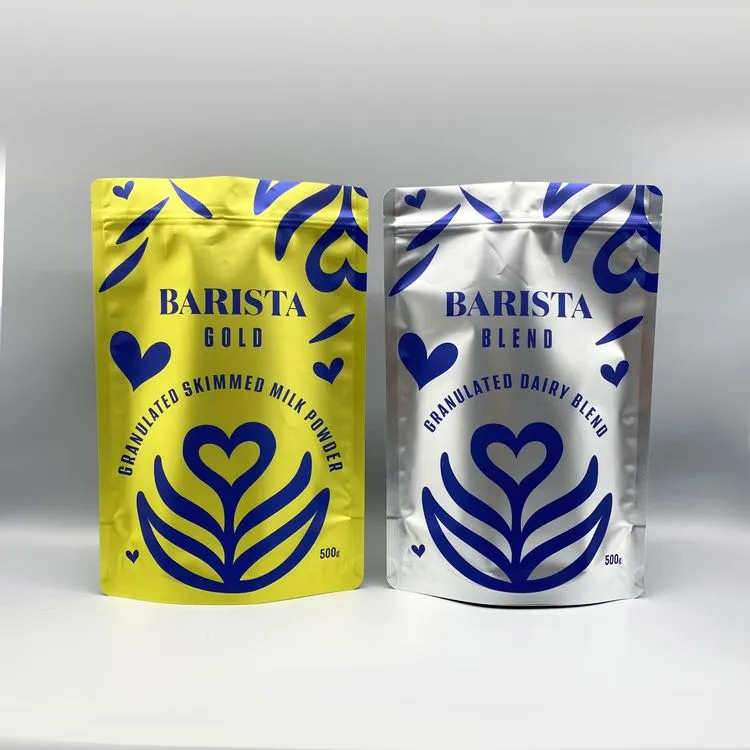
The performance of an aluminum foil bag is fundamentally determined by its multi-layered structure, meticulously designed to achieve specific barrier and mechanical properties. Understanding these technical specifications is crucial for selecting the optimal packaging solution.
Typical Material Laminate Structures:
| Laminate Structure |
Layers |
Typical Thickness (microns) |
Primary Application |
| PET/AL/PE |
Outer Polyester, Aluminum Foil, Inner Polyethylene |
12 PET / 7 AL / 60 PE (Total ~79) |
Food & Beverage, Pharma, Moisture-sensitive products |
| NY/AL/PE |
Outer Nylon, Aluminum Foil, Inner Polyethylene |
15 NY / 7 AL / 70 PE (Total ~92) |
Vacuum packaging, Heavy-duty, Puncture resistance |
| PET/AL/CPP |
Outer Polyester, Aluminum Foil, Inner Cast Polypropylene |
12 PET / 9 AL / 40 CPP (Total ~61) |
Retort, High-temperature sterilization |
| Kraft/AL/PE |
Outer Kraft Paper, Aluminum Foil, Inner Polyethylene |
70 GSM Kraft / 7 AL / 60 PE (Total ~137) |
Premium branding, Eco-conscious options |
Barrier Properties Comparison (Typical Values):
| Material Structure |
OTR (Oxygen Transmission Rate) - cc/m²/24hr |
WVTR (Water Vapor Transmission Rate) - g/m²/24hr |
Light Transmission (%) |
| Single Layer PE |
500 - 5000 |
5 - 20 |
>80 |
| Metallized PET |
1 - 10 |
0.5 - 5 |
~5-15 (UV Block) |
| EVOH (High Barrier Polymer) |
0.5 - 5 |
5 - 10 |
>80 |
| Aluminum Foil (e.g., PET/AL/PE) |
<0.005 |
<0.005 |
0 (100% block) |
Note: OTR and WVTR values are typical and can vary based on film thickness, specific polymers, and environmental conditions (e.g., 23°C, 0% RH for OTR; 38°C, 90% RH for WVTR).
The data clearly illustrates the superior barrier performance of true aluminum foil packaging compared to other common flexible packaging materials. This makes it the preferred choice for products requiring maximum protection against external elements.
Technical Advantages of Aluminum Foil Packaging Bag
The adoption of aluminum foil packaging bag solutions confers a multitude of technical advantages that directly translate into enhanced product integrity, operational efficiency, and cost savings for businesses. These advantages position aluminum foil as a premium choice for critical packaging applications.
-
Unparalleled Barrier Properties: Aluminum foil provides an absolute barrier to gases (oxygen, nitrogen, carbon dioxide), moisture vapor, light (UV and visible spectrum), and aroma. This hermetic seal preserves freshness, prevents oxidation, and maintains product efficacy.
-
Extended Shelf Life: By eliminating exposure to degrading environmental factors, aluminum foil bag for food packaging significantly extends the shelf life of perishable goods, pharmaceuticals, and sensitive electronics. This reduces spoilage, waste, and logistical costs.
-
Corrosion Resistance: The multi-layer structure, with the inner polymer layers, protects the aluminum foil itself and, more importantly, the packaged product from external corrosive agents, making it ideal for chemicals, industrial components, and acidic food items.
-
Temperature Stability: Aluminium foil pouches can withstand a wide range of temperatures, from freezing to high-heat sterilization processes (e.g., retort packaging). This ensures product stability across diverse supply chain conditions.
-
Puncture and Tear Resistance: When combined with layers like nylon (NY) or robust polyethylene (PE), aluminum foil packaging offers excellent mechanical strength, protecting contents from physical damage during handling and transport.
-
Lightweight and Space-Efficient: Despite their robust protection, aluminum foil bags are lightweight and flexible, minimizing shipping costs and maximizing storage efficiency compared to rigid packaging alternatives.
-
Printability and Aesthetic Appeal: The outer layers (e.g., PET, OPP) provide an excellent surface for high-quality gravure or flexographic printing, allowing for vibrant graphics and effective brand communication.
-
Tamper Evidence: Heat-sealed closures offer clear tamper evidence, enhancing consumer trust and product security.
Application Scenarios and Target Industries
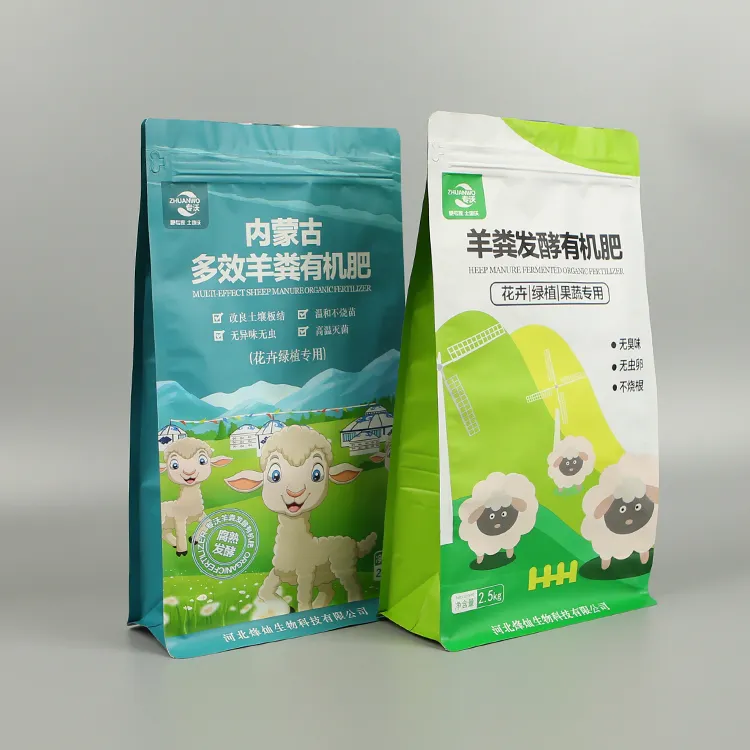
The versatile properties of aluminum foil packaging make it an ideal choice for a wide array of products across diverse industries, where product preservation, safety, and shelf life are critical.
Key Target Industries:
-
Food & Beverage: Essential for products requiring long shelf life and protection from environmental degradation.
- Coffee, Tea, Spices (protects aroma and flavor)
- Snack Foods, Dried Fruits, Nuts (prevents staleness, oxidation)
- Sauces, Soups, Ready-to-Eat Meals (retort pouches for sterilization)
- Pet Food (preserves nutritional value and palatability)
-
Pharmaceuticals & Medical Devices: Critical for maintaining sterility and efficacy of sensitive health products.
- Pills, Powders, Granules (moisture and light protection)
- Medical Device Sterilization Pouches (ensures aseptic conditions)
- Diagnostic Kits (protects reagents from degradation)
-
Cosmetics & Personal Care: Preserves active ingredients and product freshness.
- Creams, Lotions, Masks (prevents oxidation of active compounds)
- Wet Wipes, Samples (maintains moisture content)
-
Electronics & Industrial Components: Essential for protecting sensitive electronics from moisture and static.
- Static Shielding Bags for PCBs, ICs (prevents electrostatic discharge)
- Corrosion Inhibitor Packaging for Metal Parts (rust prevention)
-
Specialty Chemicals & Agriculture: Protection for granular products, seeds, and active compounds.
- Chemical Powders, Additives (prevents moisture ingress)
- Seeds, Fertilizers (maintains viability and efficacy)
Customized Solutions and Design Flexibility
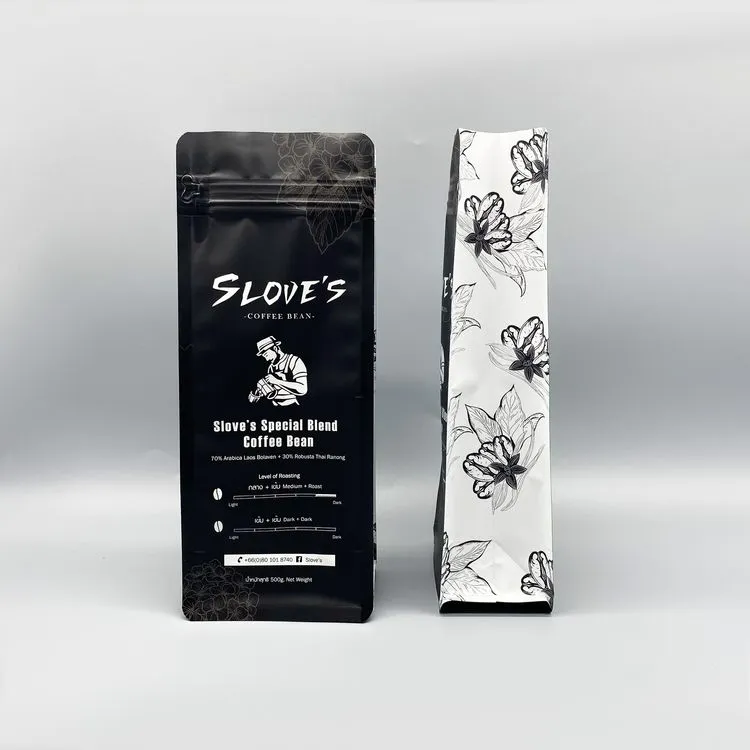
Modern aluminum foil packaging is not a one-size-fits-all product. Leading manufacturers offer extensive customization options to meet the unique requirements of various products and branding strategies. This flexibility is crucial for achieving optimal packaging performance and market appeal.
Key Customization Aspects:
-
Size and Shape: From small sachets for single servings to large bulk bags, and various pouch formats such as stand-up pouches, flat pouches, 3-side seal bags, and gusseted bags.
-
Material Composition: Tailoring the specific laminate structure (e.g., PET/AL/PE, NY/AL/CPP) and individual layer thicknesses to achieve desired barrier properties, puncture resistance, and heat sealing characteristics.
-
Printing and Graphics: High-definition gravure or flexographic printing with up to 10 colors, matte or gloss finishes, and metallic inks to enhance brand visibility and shelf appeal.
-
Functional Features: Integration of specialized features for convenience and utility:
- Re-sealable Zippers (press-to-close, slider zippers)
- Spouts and Fitments (for liquid or viscous products)
- Tear Notches (easy opening)
- Hang Holes (for retail display)
- Degassing Valves (for coffee, fermented products)
-
Sustainability Options: Development of solutions leveraging post-consumer recycled (PCR) content in non-contact layers, or designs aimed at improved recyclability where feasible, balancing barrier needs with environmental goals.
This bespoke approach ensures that each aluminum foil packaging bag is perfectly matched to its intended product and market, maximizing both protection and consumer engagement.
Vendor Comparison and Selection Criteria
Choosing the right supplier for aluminum foil packaging is a strategic decision that impacts product quality, supply chain reliability, and ultimately, market success. A thorough vendor comparison is essential.
Key Selection Criteria:
-
Technical Expertise: Does the vendor possess deep knowledge of material science, lamination techniques, and barrier properties specific to your product needs? Can they advise on optimal structures?
-
Quality Certifications: Look for ISO 9001, BRCGS, FDA compliance, or other relevant food safety and quality management certifications.
-
Customization Capabilities: Assess their ability to offer bespoke sizes, shapes, print quality, and integrated features.
-
Lead Times & Reliability: Evaluate their production capacity, average lead times, and track record for on-time delivery.
-
Cost-Effectiveness: While price is a factor, consider the total cost of ownership, including quality, potential for spoilage reduction, and supply chain stability.
-
Customer Support & R&D: Look for vendors offering robust after-sales support, technical assistance, and continuous innovation in packaging solutions.
Example Vendor Comparison (Illustrative):
| Criterion |
Vendor A (Example) |
Vendor B (Example) |
Vendor C (Example - Junlanpack) |
| Certifications |
ISO 9001 |
ISO 9001, BRCGS |
ISO 9001, FDA-compliant materials, SGS audited |
| Customization Scope |
Basic (Size, 4-color print) |
Moderate (Shape, 6-color print, Zippers) |
Extensive (Any shape/size, 10-color print, Spouts, Valves, Material R&D) |
| Typical Lead Time (Custom Order) |
4-6 weeks |
3-5 weeks |
2-4 weeks (expedited options available) |
| Minimum Order Quantity (MOQ) |
10,000 units |
5,000 units |
Negotiable, often lower for initial runs |
| R&D and Technical Support |
Limited |
Standard |
Dedicated engineering team, material innovation |
Application Case Studies: Real-World Impact
The practical benefits of advanced aluminum foil packaging bag solutions are best illustrated through real-world applications and customer success stories.
Case Study 1: Premium Coffee Roaster
-
Challenge: A specialty coffee roaster faced issues with coffee beans losing their aromatic profile and freshness rapidly due to oxygen exposure, impacting customer experience and brand reputation.
-
Solution: Implementation of a custom-designed aluminum foil bag featuring a PET/AL/PE laminate for superior oxygen and moisture barrier, coupled with a one-way degassing valve.
-
Result: Post-implementation, the coffee's shelf life was extended by 50%, with sensory evaluations confirming preserved aroma and freshness. Customer feedback showed a significant increase in satisfaction, leading to a 20% rise in repeat purchases within six months.
Case Study 2: Pharmaceutical Manufacturer
-
Challenge: A manufacturer of a hygroscopic pharmaceutical powder required packaging that offered absolute protection against moisture ingress to maintain drug stability and efficacy, especially in humid climates.
-
Solution: A robust NY/AL/PE aluminium foil pouch was developed with stringent WVTR specifications (<0.001 g/m²/24hr). Each batch underwent rigorous moisture barrier testing according to ASTM F1249.
-
Result: The packaged powder demonstrated stability well beyond the required regulatory period, ensuring product quality and minimizing costly recalls. The company received FDA approval for the packaging solution, reinforcing its commitment to patient safety.
Case Study 3: Industrial Electronics Supplier
-
Challenge: An electronics firm needed to protect sensitive integrated circuits (ICs) from electrostatic discharge (ESD) and moisture during international transit and long-term storage.
-
Solution: Custom static-shielding aluminum foil packaging bags were designed, incorporating a metallized layer for static dissipation and a high-barrier foil layer for moisture protection. These bags complied with MIL-STD-3010 (Test Method 1004) for puncture resistance and IPC/JEDEC J-STD-033 for moisture barrier.
-
Result: ESD damage claims dropped by 95%, and moisture-related failures were virtually eliminated. The enhanced protection allowed for safer, more cost-effective global distribution and extended the allowable storage period for components before assembly.
Trustworthiness: FAQs, Lead Time, Warranty & Support
Frequently Asked Questions (FAQs):
- Q: What is the primary advantage of aluminum foil packaging over metallized film?
- A: Aluminum foil provides an absolute barrier to light, oxygen, and moisture, achieving OTR and WVTR levels near zero. Metallized films, while offering good barrier, are not absolute barriers due to the microscopic gaps in their metal coating.
- Q: Are your aluminum foil bags FDA approved for food contact?
- A: Yes, our materials and manufacturing processes are compliant with FDA regulations for direct food contact. We provide compliance certificates upon request for all relevant layers in our aluminum foil bag for food packaging solutions.
- Q: What is the typical lead time for custom orders?
- A: For custom-printed aluminum foil packaging bag orders, our standard lead time ranges from 2-4 weeks after final artwork and material specifications are approved. Expedited options are available for urgent requirements.
- Q: Can these bags withstand high-temperature sterilization?
- A: Yes, for applications requiring retort or high-temperature sterilization, we offer specialized laminate structures (e.g., PET/AL/CPP) that are specifically designed for thermal stability and integrity under such conditions.
- Q: Do you offer sustainable or recyclable aluminum foil packaging options?
- A: We are actively developing and offering more sustainable options, including those incorporating post-consumer recycled (PCR) content in certain layers, and mono-material solutions that simplify recycling where barrier requirements permit.
Lead Time and Fulfillment:
At Junlanpack, we prioritize efficient production and reliable delivery. Standard lead times for custom orders are typically 15-25 business days from final design approval and deposit. For urgent requirements, we offer expedited manufacturing and shipping options. Our production capabilities allow for significant volume, ensuring consistent supply for both small and large-scale enterprises.
Warranty and Quality Assurance:
We stand behind the quality of every aluminum foil packaging bag we produce. All products are manufactured under strict ISO 9001 quality management systems and undergo rigorous internal testing. We provide a comprehensive warranty against manufacturing defects and non-conformance to agreed-upon specifications. Our commitment to quality ensures that your products are protected with packaging designed for excellence.
Customer Support and Technical Assistance:
Our dedicated customer support team and technical specialists are available to assist you at every stage, from initial consultation and design to post-delivery support. We offer expert guidance on material selection, design optimization, and troubleshooting to ensure seamless integration into your packaging operations. Contact us via phone, email, or through our website for prompt and professional assistance.
Conclusion
The advanced aluminum foil packaging bag is an indispensable solution for industries demanding superior product protection, extended shelf life, and robust performance. Its exceptional barrier properties against moisture, oxygen, and light, coupled with the flexibility for customization, make it a cornerstone of modern packaging strategies. As market trends continue to emphasize sustainability and functional innovation, the evolution of aluminum foil packaging will remain at the forefront, ensuring the integrity and market appeal of a vast array of products.
By partnering with experienced manufacturers who prioritize quality, technical expertise, and customer-centric solutions, businesses can unlock the full potential of these sophisticated packaging materials, driving efficiency, reducing waste, and enhancing brand value.
References:
- Grand View Research. (2023). Flexible Packaging Market Size, Share & Trends Analysis Report. Retrieved from https://www.grandviewresearch.com/industry-analysis/flexible-packaging-market
- ASTM International. (2023). Standards for Packaging. Retrieved from https://www.astm.org/products-services/standards-and-publications/standards/search/keywords:packaging.html
- ISO. (2023). ISO 9001: Quality management systems. Retrieved from https://www.iso.org/iso-9001-quality-management.html
- Food and Drug Administration (FDA). (2023). Food Packaging and Contact Materials. Retrieved from https://www.fda.gov/food/ingredients-additives-grasa/food-packaging-and-contact-materials
- European Food Safety Authority (EFSA). (2023). Food packaging. Retrieved from https://www.efsa.europa.eu/en/topics/topic/food-packaging

