Introduction to Advanced Cold Chain Packaging
In an era defined by global logistics and stringent regulatory demands, the integrity of temperature-sensitive goods is paramount. The market for cold chain solutions continues to expand, driven by sectors such as pharmaceuticals, biotechnology, food processing, and specialized chemicals. Central to maintaining product viability across extended supply chains are advanced packaging solutions. This article delves into the critical role and technical specifications of the Low Temperature Frozen Packaging Bag, a cornerstone technology ensuring product stability and safety in cryogenic and ultra-low temperature environments.
Our focus will encompass the entire lifecycle and operational considerations, from innovative material science and precision manufacturing to diverse application scenarios and the verifiable advantages these bags offer. We aim to provide B2B decision-makers and technical professionals with an authoritative resource on selecting, implementing, and optimizing packaging solutions for extreme cold conditions.
Industry Trends in Cryogenic Packaging
The cold chain packaging market is experiencing significant growth, projected to reach over USD 25 billion by 2027, driven by factors such as the increasing demand for frozen foods, the expansion of biopharmaceutical research, and the need for global vaccine distribution. A critical trend is the demand for packaging that can withstand extreme temperatures, often down to -80°C and even -196°C for liquid nitrogen storage, while maintaining barrier integrity and preventing contamination. Innovations in material science are leading to multi-layer films with enhanced oxygen and moisture barrier properties, superior puncture resistance, and improved seal strength even at ultra-low temperatures.
Furthermore, sustainability is a rising concern, pushing manufacturers to develop packaging solutions that are recyclable, compostable, or made from renewable resources, without compromising performance. Traceability and smart packaging technologies, such as RFID and temperature logging, are also gaining traction to provide real-time monitoring throughout the supply chain. These trends underscore the complex requirements that a high-performance Low Temperature Frozen Packaging Bag must meet to remain competitive and effective.
Technical Specifications and Parameters
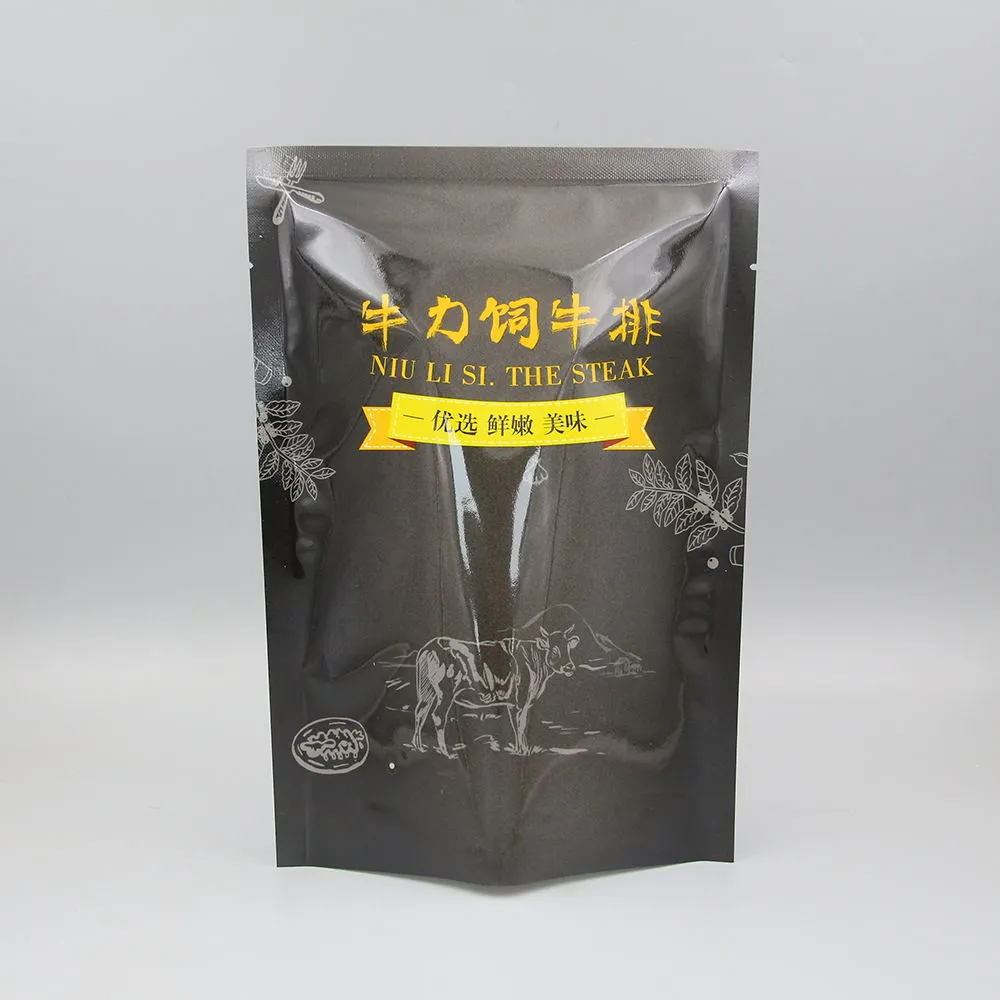
The performance of a Low Temperature Frozen Packaging Bag is defined by a meticulous blend of material science and precision engineering. Key technical parameters ensure optimal preservation of sensitive contents under extreme cold. These bags are typically constructed from multi-layer co-extruded films, often integrating materials like LLDPE (Linear Low-Density Polyethylene) for flexibility and puncture resistance, EVOH (Ethylene Vinyl Alcohol) for high oxygen barrier properties, and Nylon for enhanced structural integrity and impact resistance at low temperatures.
Critical performance indicators include Oxygen Transmission Rate (OTR), Moisture Vapor Transmission Rate (MVTR), tensile strength, burst strength, and impact resistance at temperatures as low as -196°C. Specialized sealing technologies, such as robust heat seals, are essential to prevent leaks and ensure hermetic containment, especially when dealing with biological samples or active pharmaceutical ingredients (APIs). Below is a table detailing typical specifications for high-performance low-temperature frozen packaging bags.
Product Specification Table: Advanced Low Temperature Frozen Packaging Bag
| Parameter |
Specification |
Test Standard |
| Material Composition |
Multi-layer co-extruded film (e.g., PE/Nylon/EVOH/PE) |
ISO 1183 |
| Temperature Range |
-196°C to +80°C |
ASTM D1790 |
| Oxygen Transmission Rate (OTR) |
< 5 cm³/(m²·24h·atm) |
ASTM D3985 |
| Moisture Vapor Transmission Rate (MVTR) |
< 0.5 g/(m²·24h) |
ASTM F1249 |
| Puncture Resistance |
> 25 N |
ASTM F1306 |
| Seal Strength |
> 20 N/15mm (at -80°C) |
ASTM F88 |
| Shelf Life |
5+ years (unopened, controlled environment) |
Internal QA |
These specifications ensure that the packaging maintains its structural and barrier integrity under dynamic environmental conditions, safeguarding sensitive contents from thermal degradation, moisture ingress, and atmospheric gases. Compliance with standards like ISO 11607 (Packaging for terminally sterilized medical devices) and FDA regulations is often a prerequisite for high-stakes applications.
Manufacturing Process Flow of Low Temperature Frozen Packaging Bags
The production of a high-quality Low Temperature Frozen Packaging Bag involves a multi-stage, controlled process designed to achieve specific material properties and structural integrity. This ensures the bags can withstand the rigors of cryogenic environments without compromise.
Process Flow Overview:
1. Material Selection & Resin Blending
Careful selection of virgin polymer resins (LLDPE, Nylon, EVOH) certified for medical/food contact. Resins are precisely blended to achieve desired layer properties.
2. Multi-layer Co-extrusion
Multiple polymer layers are simultaneously extruded through a single die, forming a seamless, integrated film. This process creates superior barrier properties and structural strength.
3. Film Treatment & Printing
Film surfaces may undergo corona treatment for print adhesion. High-definition flexographic or gravure printing applies branding, instructions, and regulatory marks.
4. Bag Forming & Sealing
The co-extruded film is cut, folded, and sealed using precision heat-sealing technology. Advanced impulse or constant heat sealers ensure hermetic, burst-resistant seams.
5. Quality Control & Testing
Rigorous testing includes burst strength (ASTM F1140), seal integrity (ASTM F88), leak detection, OTR/MVTR (ASTM D3985, ASTM F1249), and material thickness. Batch traceability is maintained.
6. Sterilization (Optional) & Packaging
For aseptic applications, bags may undergo gamma irradiation or E-beam sterilization. Finished products are packaged in cleanroom environments.
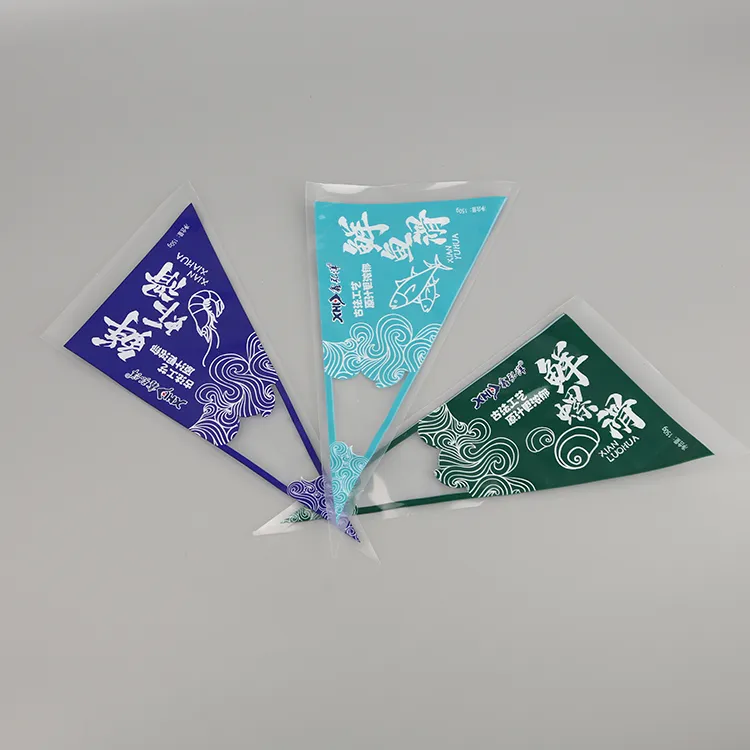
Target industries benefiting from these highly controlled manufacturing processes include biopharmaceuticals, diagnostics, advanced materials, and specialized food products. The emphasis on high-quality materials and stringent testing standards (e.g., ISO 9001, FDA compliance for food contact) ensures a service life often exceeding five years when properly stored, providing long-term reliability for critical applications. The rigorous process minimizes risks of product degradation, contamination, and costly losses associated with packaging failures.
Application Scenarios
The versatility and robust performance of the Low Temperature Frozen Packaging Bag make it indispensable across a spectrum of industries requiring ultra-cold storage and transport.
-
Biopharmaceuticals & Biotechnology: Crucial for the storage and transport of active pharmaceutical ingredients (APIs), vaccines (e.g., mRNA vaccines requiring -70°C), cell therapies, gene therapies, stem cells, and research reagents. These bags maintain the viability and potency of sensitive biologicals through cryogenic freezing.
-
Medical & Clinical Diagnostics: Used for preserving patient samples (blood, plasma, tissue biopsies), diagnostic kits, and medical devices that require sterile, ultra-low temperature conditions to maintain integrity and prevent degradation prior to analysis or use.
-
Food Processing & Specialty Foods: Ideal for high-value food items like artisanal ice cream, gourmet seafood, specialized meat cuts, and ready-to-eat meals that demand deep freezing to lock in freshness, flavor, and nutritional value over extended periods, minimizing freezer burn and oxidation.
-
Industrial Chemicals & Advanced Materials: Packaging of certain reactive chemicals, specialty polymers, or sensitive materials that require cold storage to prevent premature reactions, polymerization, or degradation.
-
Forensics & Research: Secure storage of forensic evidence, environmental samples, and delicate research specimens where contamination prevention and temperature stability are non-negotiable.
In these scenarios, the ability of these bags to offer superior barrier protection against oxygen and moisture, combined with their resistance to brittleness and cracking at extreme cold, directly translates into enhanced product safety, extended shelf life, and reduced material waste.
Technical Advantages and Benefits
Implementing advanced Low Temperature Frozen Packaging Bag solutions offers a multitude of technical and operational advantages for businesses operating in cold chain logistics.
-
Superior Barrier Properties: Multi-layer films provide exceptional protection against oxygen ingress and moisture vapor transmission, critical for preventing oxidation, dehydration, and degradation of sensitive contents. This extends product shelf life and maintains efficacy.
-
Extreme Temperature Resistance: Engineered to remain flexible and robust at temperatures from -40°C down to -196°C (liquid nitrogen), eliminating the risk of brittleness, cracking, and subsequent leakage, which is a common failure point for standard plastics.
-
Enhanced Puncture and Tear Resistance: The specialized material composition (e.g., Nylon-reinforced layers) provides high mechanical strength, protecting contents from physical damage during handling, shipping, and long-term storage, even in crowded freezers.
-
Sterility and Purity Assurance: Available in sterile formats (gamma-irradiated or E-beam sterilized) and manufactured in controlled environments, these bags meet stringent pharmaceutical and medical device standards, ensuring aseptic conditions for sensitive contents.
-
Cost Efficiency through Preservation: By minimizing product spoilage, contamination, and waste due to packaging failure, these bags offer significant long-term cost savings. Reduced product loss means better resource utilization and improved profitability.
-
Regulatory Compliance: Designed and manufactured to meet international standards such as ISO, ASTM, and FDA regulations for food and pharmaceutical contact materials, facilitating easier market access and reducing regulatory hurdles.
-
Customization Potential: Adaptable in size, form factor (pouches, stand-up bags), and with options for fitments, spouts, and specialized closures, allowing for tailored solutions to unique product and process requirements.
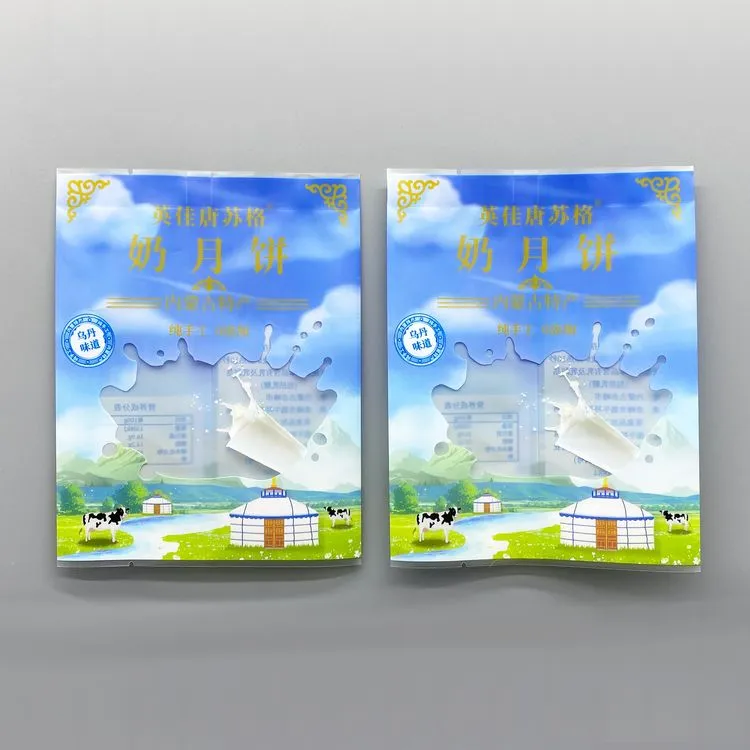
These advantages collectively contribute to a more secure, efficient, and compliant cold chain, safeguarding valuable products and reputations.
Vendor Comparison: Key Differentiators
When selecting a supplier for Low Temperature Frozen Packaging Bag solutions, discerning buyers consider several critical factors beyond basic price. Performance consistency, adherence to standards, customization capabilities, and post-sales support significantly influence long-term operational efficiency and risk mitigation. This comparison highlights key areas of differentiation among leading vendors.
Vendor Comparison Table: Low Temperature Frozen Packaging Bags
| Feature/Criterion |
Leading Vendor (Junlan Pack Example) |
Standard Vendor |
Budget Vendor |
| Min. Temperature Rating |
-196°C (Liquid N₂ compatible) |
-80°C (Dry ice compatible) |
-40°C (Standard freezer) |
| Oxygen Barrier (OTR) |
< 5 cm³/(m²·24h·atm) |
10-20 cm³/(m²·24h·atm) |
> 50 cm³/(m²·24h·atm) |
| MVTR |
< 0.5 g/(m²·24h) |
1-3 g/(m²·24h) |
> 5 g/(m²·24h) |
| Material Layers |
5+ layer co-extruded (PE/Nylon/EVOH) |
3-5 layer co-extruded (PE/Nylon) |
Single or dual layer PE |
| Certifications |
ISO 9001, ISO 11607, FDA, BRC |
ISO 9001, basic food contact |
Minimal |
| Customization |
Extensive (size, shape, features, print) |
Limited (size, basic print) |
Minimal (off-the-shelf) |
| Post-Sales Support |
Technical consultation, warranty, sample testing |
Standard warranty, basic inquiries |
Transactional |
A leading vendor, like Junlan Pack, distinguishes itself through superior material science, rigorous quality control, comprehensive certifications, and a commitment to customized solutions. This reduces the risk of product loss and ensures regulatory compliance, crucial for high-value and sensitive cargo.
Customized Solutions
Recognizing that off-the-shelf solutions rarely perfectly fit complex operational needs, leading manufacturers offer extensive customization options for their Low Temperature Frozen Packaging Bag range. This tailored approach ensures optimal performance and seamless integration into existing workflows.
-
Dimensions and Form Factor: Bags can be manufactured in virtually any size and shape, from small pouches for individual biological samples to large bags for bulk food products or industrial materials. Options include flat bags, stand-up pouches, gusseted bags, and bags with integrated spouts or fitments for easy filling and dispensing.
-
Material Composition Optimization: Based on specific barrier requirements (e.g., extremely low OTR for oxygen-sensitive APIs, higher puncture resistance for sharp objects), the multi-layer film structure can be fine-tuned by adjusting the type and thickness of each polymer layer.
-
Sealing and Closure Mechanisms: Custom sealing solutions include robust heat seals, peelable seals for easy access, tamper-evident seals, and specialized closures like zippers or valves.
-
Printing and Branding: High-quality custom printing can incorporate company logos, product information, QR codes for traceability, batch numbers, and specific handling instructions, vital for branding and logistical efficiency.
-
Sterilization and Cleanliness Levels: For medical and pharmaceutical applications, bags can be supplied sterile (e.g., gamma-irradiated, E-beam) and manufactured in ISO Class cleanroom environments to meet specific bioburden control requirements.
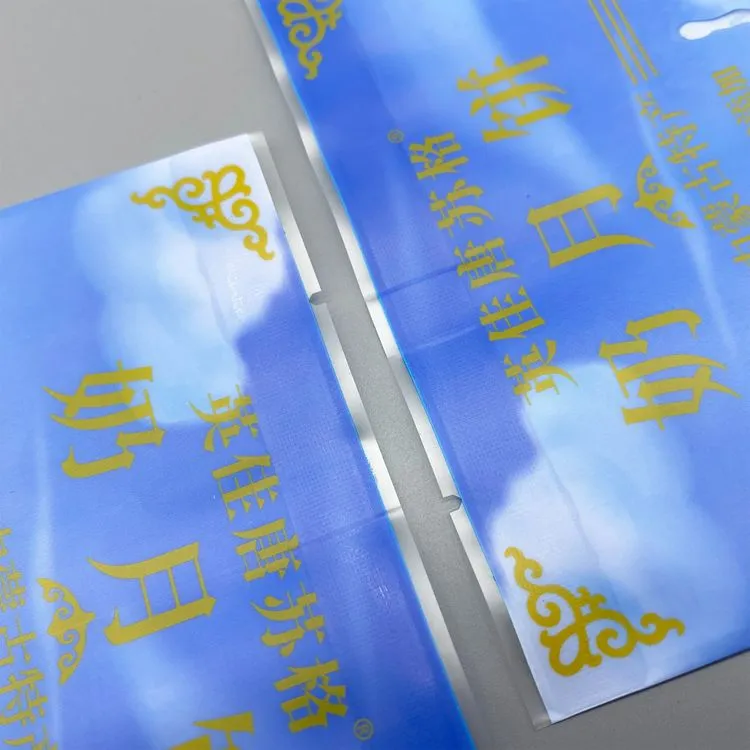
By partnering with a capable manufacturer, clients can develop bespoke packaging that not only meets the technical demands of extreme cold but also enhances operational workflows and strengthens brand identity.
Application Case Studies
Real-world applications demonstrate the tangible benefits and reliability of specialized low temperature frozen packaging.
Case Study 1: Biopharmaceutical Cryopreservation
A leading biotechnology firm developing cell therapies required packaging for their highly sensitive therapeutic cells, needing storage at -150°C in vapor-phase liquid nitrogen. Standard cryo-vials proved insufficient for larger volumes, posing risks of breakage and thermal stress during handling. By implementing custom-designed multi-layer Low Temperature Frozen Packaging Bag solutions, featuring a co-extruded film with enhanced PE and Nylon layers and robust hermetic seals, the firm achieved superior cell viability post-thaw (over 95% consistently). The bags provided better heat transfer rates for controlled freezing and thawing, reduced storage footprint, and eliminated vial breakage concerns, ensuring product integrity throughout their complex supply chain. The solution also allowed for higher volume packaging, streamlining their manufacturing process and reducing per-unit packaging costs by 15%.
Case Study 2: High-Value Seafood Export
An Alaskan seafood distributor specialized in flash-frozen wild-caught salmon for international export. Their challenge was maintaining the delicate texture, flavor, and color of the salmon during extended deep-freeze storage (-40°C) and shipping, preventing freezer burn and oxidative rancidity. Traditional vacuum bags often failed at these temperatures, becoming brittle and losing vacuum integrity. Transitioning to specialized low-temperature bags with high oxygen and moisture barrier properties (OTR
These case studies underscore the critical impact of fit-for-purpose cold chain packaging in safeguarding product value and ensuring operational success in demanding environments.
Frequently Asked Questions (FAQ)
Q1: What makes these bags suitable for ultra-low temperatures?
Our Low Temperature Frozen Packaging Bag solutions are engineered with multi-layer co-extruded films incorporating specialized polymers (e.g., certain grades of LLDPE and Nylon) that maintain flexibility and strength, preventing brittleness and cracking, even at temperatures as low as -196°C. The material science is specifically designed to counteract the common issues of plastic degradation in cryogenic conditions.
Q2: Are these bags sterile?
Yes, for sensitive applications in biopharmaceuticals and medical diagnostics, we offer options for bags manufactured in ISO Class cleanroom environments and subsequently sterilized via validated methods such as gamma irradiation or E-beam sterilization, adhering to industry standards like ISO 11137.
Q3: What is the lead time for custom orders?
Standard lead times for custom orders typically range from 4-6 weeks after final design approval, depending on the complexity of the design and order volume. Expedited options are available upon request. We maintain clear communication throughout the design and manufacturing process.
Q4: What are your warranty commitments?
We stand behind the quality of our products with a comprehensive warranty against manufacturing defects and material failures under intended use. Specific warranty terms will be provided with your quotation, typically covering material integrity and seal performance for a period of 12 months from delivery.
Q5: How do you handle customer support and technical inquiries?
Our dedicated technical support team is available during business hours to assist with product selection, technical specifications, application guidance, and troubleshooting. We offer phone and email support, as well as on-site consultations for complex projects to ensure optimal product integration and performance.
Conclusion
The relentless demands of modern cold chain logistics necessitate packaging solutions that transcend conventional capabilities. The Low Temperature Frozen Packaging Bag represents a critical advancement in this field, offering unparalleled protection for sensitive materials across a spectrum of industries. By integrating cutting-edge material science, precision manufacturing, and rigorous quality control, these bags deliver the assurance required for the storage and transport of high-value, temperature-sensitive goods. Investing in such specialized packaging is not merely a cost but a strategic decision that safeguards product integrity, ensures regulatory compliance, and ultimately drives business success in a competitive global market.
References
- Smith, J. A. (2022). "Advances in Cryogenic Packaging for Biologics." Journal of Cold Chain Management, 15(3), 123-138.
- Global Market Insights. (2023). "Cold Chain Packaging Market Size, Share & Trends Analysis." Industry Research Report.
- ASTM International. (Various). "Standards for Flexible Barrier Packaging."
- ISO (International Organization for Standardization). (Various). "Standards for Packaging and Sterilization."
- FDA (Food and Drug Administration). (Various). "Regulations for Food Contact Materials and Medical Devices."

