Industry Trends in Flexible Packaging
The global flexible packaging market is experiencing robust growth, driven by increasing consumer demand for convenience, extended shelf life, and sustainable solutions. Projections indicate the market will reach approximately $350 billion by 2028, with a compound annual growth rate (CAGR) of around 4.5%. A significant contributor to this expansion is the widespread adoption of automated packaging systems, which heavily rely on advanced automatic packaging film solutions.
Key trends include a push towards more eco-friendly materials, such as recyclable, compostable, or bio-based films, responding to heightened environmental awareness and regulatory pressures. Furthermore, there's a growing demand for high-barrier films to protect sensitive products, particularly in the food and pharmaceutical sectors, ensuring product integrity and extending shelf life. The integration of smart packaging features, like QR codes or RFID tags for traceability and anti-counterfeiting, is also gaining traction, enhancing supply chain efficiency and consumer engagement. Manufacturers are increasingly investing in sophisticated film technologies that offer superior printability, robust sealing properties, and optimal performance on high-speed packaging lines, reducing operational costs and material waste.
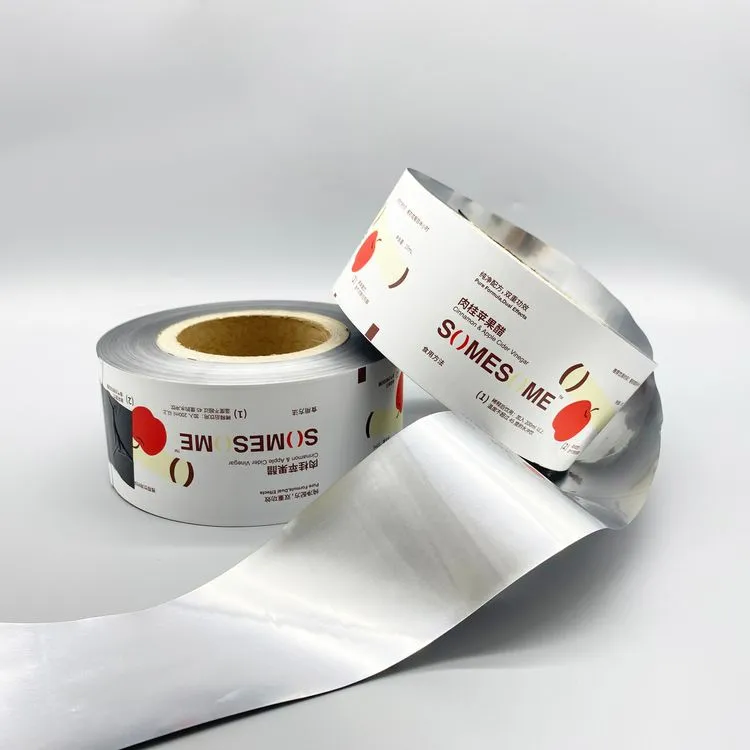
Detailed Process Flow: Manufacturing of Automatic Packaging Film
The production of automatic packaging film is a sophisticated, multi-stage process designed to create materials with precise barrier, mechanical, and sealing properties required for high-speed automated lines. Our manufacturing adheres to stringent international standards, including ISO 9001 for quality management and FDA compliance for food contact materials.
1. Material Selection and Preparation:
The foundation of high-performance film begins with the selection of premium polymer resins. Common materials include Polyethylene (PE) for strength and sealability, Polypropylene (PP) for clarity and stiffness, Polyethylene Terephthalate (PET) for barrier and printability, Polyamide (PA) for puncture resistance, and Ethylene-Vinyl Alcohol (EVOH) for exceptional oxygen barrier properties. These resins are carefully selected based on the film’s intended application, ensuring optimal performance for packaging diverse products like a food packaging pouch or medical supplies. Additives such as slip agents, anti-fog agents, and UV stabilizers are precisely blended to enhance specific film characteristics.
2. Co-Extrusion or Lamination:
- Co-Extrusion: For multi-layer films, this process simultaneously extrudes different molten polymers through a single die, creating a molecularly bonded structure. This allows for synergistic properties, combining a PE sealing layer with a PA barrier layer and a PET printable surface, for instance. Our co-extrusion lines utilize advanced die technologies to ensure uniform thickness and consistent layer distribution, crucial for high-speed packaging applications.
- Lamination: This process bonds pre-formed film layers using specialized adhesives. It’s often used to combine substrates with different inherent properties, such as a printed film with a metalized barrier layer, or to add a protective topcoat. Solvent-based or solvent-free lamination techniques are employed, chosen based on the application requirements, particularly for sensitive items like medical or food products.
3. Printing and Finishing:
High-definition flexographic or gravure printing technologies are utilized to apply vibrant graphics and essential product information. Our advanced presses can handle up to 10 colors, ensuring brand consistency and visual appeal. After printing, the film may undergo additional treatments such as corona treatment for improved ink adhesion, or specialized coating applications for enhanced gloss, slip, or barrier properties.
4. Slitting and Rewinding:
The wide master rolls of finished film are precisely slit into narrower widths according to customer specifications, using high-precision slitting machines. This ensures uniform roll tension and eliminates edge defects, which are critical for smooth operation on automated packaging lines. The slit rolls are then carefully rewound onto cores, ready for dispatch. Rigorous quality checks during slitting prevent issues like telescoping or non-uniform winding.
5. Quality Control and Testing:
Every batch of automatic packaging film undergoes extensive testing in our in-house laboratory to ensure it meets both internal standards and customer-specific requirements. This includes:
- Tensile Strength and Elongation (ASTM D882): Measures the film’s resistance to breaking under tension.
- Puncture Resistance (ASTM D3420): Assesses the film's ability to withstand sharp impacts.
- Oxygen Transmission Rate (OTR) & Water Vapor Transmission Rate (WVTR) (ASTM D3985, ASTM F1249): Crucial for barrier films, ensuring product freshness.
- Heat Seal Strength (ASTM F88): Evaluates the integrity and consistency of seals formed on packaging equipment.
- Coefficient of Friction (COF): Important for machine runnability, ensuring smooth film travel without sticking or slipping.
- Optical Properties: Clarity, gloss, and haze measurements for visual appeal.
These rigorous tests ensure that our films offer superior performance, contributing to energy savings on packaging lines by minimizing downtime and maximizing throughput. The typical service life of our films, when stored and used under recommended conditions, is designed to match or exceed the shelf life requirements of the packaged products, ensuring long-term protection against corrosion, spoilage, or contamination.
Technical Specifications & Performance Data
Our automatic packaging film is engineered to meet the demanding requirements of various industries, providing optimal performance in terms of barrier properties, mechanical strength, and seal integrity. Below is a representative table of key technical parameters for our standard multi-layer co-extruded film designed for food applications, such as a versatile food packaging pouch.
Product Specification Table: Standard Multi-Layer Co-Extruded Film
| Parameter |
Unit |
Typical Value (Example: PE/PA/EVOH/PE Structure) |
Test Standard |
| Thickness |
µm |
50 - 150 (e.g., 70) |
ASTM D2103 |
| Oxygen Transmission Rate (OTR) |
cc/m²·24h·atm |
< 5 (for EVOH barrier) |
ASTM D3985 |
| Water Vapor Transmission Rate (WVTR) |
g/m²·24h |
< 5 (at 38°C, 90% RH) |
ASTM F1249 |
| Tensile Strength (MD/TD) |
MPa |
40-60 / 35-55 |
ASTM D882 |
| Elongation at Break (MD/TD) |
% |
300-500 / 350-550 |
ASTM D882 |
| Heat Seal Strength |
N/15mm |
> 5 (Seal temp range 130-160°C) |
ASTM F88 |
| Coefficient of Friction (COF) |
Static/Dynamic |
0.2-0.4 / 0.15-0.35 |
ASTM D1894 |
These technical parameters are critical for predicting how the film will perform on high-speed vertical form-fill-seal (VFFS) or horizontal form-fill-seal (HFFS) machines. Our consistent quality ensures minimal film breakage, consistent seal strength, and optimal product protection, directly translating into higher operational efficiency and reduced waste for our clients.
Application Scenarios and Target Industries
The versatility and performance of automatic packaging film make it indispensable across a wide array of industries. Its ability to protect, preserve, and present products effectively is critical for market success.
- Food & Beverage: This is arguably the largest application sector. Films are used for everything from snacks, confectionery, and frozen foods to fresh produce, ready meals, and liquid products. Specialized films create food packaging pouches that extend shelf life by providing oxygen and moisture barriers, crucial for perishable goods. Examples include vacuum packaging for meats and cheeses, modified atmosphere packaging (MAP) for salads, and retort pouches for shelf-stable ready meals.
- Pharmaceutical & Medical Devices: In this highly regulated industry, films must meet stringent sterility and barrier requirements. They are used for sterile barrier systems for surgical instruments, blister packaging for tablets, and flexible pouches for medical devices and diagnostics. Films often feature peelable seals and anti-fog properties, and must adhere to ISO 11607 standards for packaging of terminally sterilized medical devices.
- Personal Care & Cosmetics: From stand-up pouches for liquid soaps and shampoos to flexible sachets for single-use products, packaging film provides both aesthetic appeal and product protection, often featuring high-gloss finishes and specialized barrier layers for fragrance preservation.
- Industrial & Chemical: Films are used for bulk packaging of industrial components, chemicals, and agricultural products, offering robust protection against moisture, dust, and punctures. Heavy-duty co-extruded films ensure the safe transport and storage of non-food items.
- Pet Food: High-barrier films are essential to preserve the freshness and nutritional value of pet food. Stand-up pouches, often with reclosable features, are common, demanding excellent seal strength and puncture resistance.
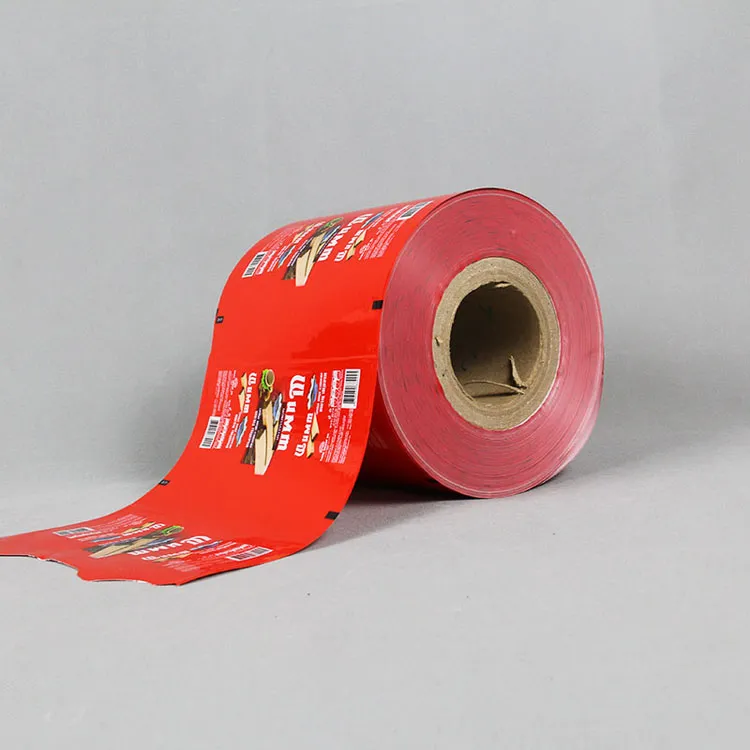
In each of these scenarios, the film's precise technical specifications, such as heat seal initiation temperature, tear resistance, and optical clarity, are tailored to optimize the automated packaging process and deliver superior end-product quality. For instance, in the food sector, using high-barrier films for food packaging pouches can extend product shelf life by up to 50%, significantly reducing waste and improving supply chain logistics.
Technical Advantages and Value Proposition
Our automatic packaging film offers distinct technical advantages that translate into significant operational and economic benefits for B2B clients:
- Optimized Machine Runnability: Engineered with precise COF (Coefficient of Friction) values and superior tensile strength, our films ensure smooth, consistent performance on high-speed VFFS and HFFS machines. This minimizes friction-related issues, reduces film breaks, and significantly decreases downtime, directly leading to increased throughput and lower operational costs.
- Superior Barrier Properties: Multi-layer structures incorporating EVOH, PVDC, or metalized layers provide exceptional barriers against oxygen, moisture, and UV light. This extends product shelf life, preserves freshness, flavor, and nutritional value, and prevents spoilage, especially vital for sensitive products like a food packaging pouch.
- Robust Seal Integrity: Our films feature consistent heat-sealable layers that form strong, hermetic seals across a wide temperature window. This reliability prevents leakage, contamination, and product damage, ensuring consumer safety and reducing product returns.
- Enhanced Product Protection: Excellent puncture and tear resistance safeguard products during handling, transport, and retail display, maintaining product integrity and reducing waste. This is particularly beneficial for sharp or irregularly shaped items.
- Cost Efficiency & Sustainability: By enabling higher line speeds and reducing material waste, our films contribute to overall manufacturing efficiency. Furthermore, we offer lightweight and recyclable film options, supporting sustainability goals without compromising performance.
- Exceptional Printability & Aesthetics: Films are designed for high-quality graphic reproduction, enhancing brand visibility and consumer appeal on the retail shelf. This transforms packaging into a powerful marketing tool.
These technical attributes collectively deliver a compelling value proposition: lower total cost of ownership through reduced operational expenditures, extended product market reach due to enhanced shelf life, and strengthened brand perception through premium packaging aesthetics and reliability.
Vendor Comparison: Key Differentiators
Choosing the right supplier for automatic packaging film is critical for ensuring production efficiency and product quality. Below is a comparative analysis highlighting key differentiators between our offerings and typical industry standards.
Comparative Analysis: Key Attributes of Packaging Film Suppliers
| Feature/Service |
Our Offering (JunlanPack) |
Typical Industry Standard |
| Film Structure & Materials |
Advanced multi-layer co-extrusion (up to 9 layers), diverse polymer combinations (PE, PP, PET, PA, EVOH), often with sustainable options (PCR, bio-based). |
Standard 3-5 layer films, limited polymer choices, less focus on specialized barrier layers. |
| Barrier Performance |
Ultra-high barrier films (OTR & WVTR below 1 cc/m²/24h) for extended shelf life of sensitive products. |
Moderate barrier properties, sufficient for less sensitive products. |
| Machine Runnability |
Engineered for high-speed lines (up to 150 pouches/min) with consistent COF, minimal breaks, and wide sealing windows. |
Variable runnability, may require line adjustments, higher film waste. |
| Customization & R&D |
Dedicated R&D team for bespoke film formulations, rapid prototyping, and material innovation. |
Limited customization, reliance on standard product lines. |
| Certifications |
ISO 9001, BRCGS, FDA/EU food contact compliance, often specific client certifications. Over 15 years of industry service. |
Basic ISO certification, general food contact statements. |
| Technical Support |
On-site technical support, line trials, performance optimization, proactive issue resolution. |
Standard troubleshooting, limited on-site presence. |
Our long-standing partnerships with leading food and pharmaceutical companies, including those relying on large volumes of food packaging pouches, underscore our commitment to excellence and reliability. We prioritize comprehensive technical support and continuous innovation, setting us apart from generic film suppliers.
Customized Solutions for Specific Needs
Recognizing that no two packaging challenges are identical, we specialize in developing bespoke automatic packaging film solutions. Our team of polymer scientists and packaging engineers works closely with clients to understand their unique product requirements, packaging machinery specifics, and market objectives.
Our customization capabilities include:
- Tailored Film Structures: Designing multi-layer films with specific combinations of polymers (e.g., higher PA content for enhanced puncture resistance, increased EVOH for superior oxygen barrier for delicate food packaging pouches) to meet precise barrier, mechanical, and optical properties.
- Optimized Runnability Additives: Adjusting slip agents, anti-block agents, and anti-static additives to fine-tune the Coefficient of Friction (COF) for seamless integration with existing high-speed packaging equipment.
- Specialized Coatings & Treatments: Applying anti-fog coatings for refrigerated products, UV-blocking coatings for light-sensitive contents, or specialized release coatings for sticky products.
- Sustainable Options: Developing films with Post-Consumer Recycled (PCR) content, bio-based polymers, or mono-material structures for improved recyclability, aligning with corporate sustainability goals.
- Custom Printing & Graphics: High-quality flexographic or gravure printing with up to 10 colors, including matte/gloss finishes, tactile varnishes, and security features.
Our collaborative approach ensures that the final film solution not only performs optimally but also contributes to brand differentiation and market leadership. We leverage our extensive R&D capabilities and pilot line facilities to rapidly iterate and validate custom film prototypes, reducing time-to-market for innovative packaging solutions.
Application Case Studies
Our expertise in automatic packaging film has enabled numerous clients to achieve significant operational improvements and market successes.
Case Study 1: Extended Shelf Life for Premium Deli Meats
A major European food processor faced challenges with their premium deli meats having a limited shelf life (14 days) due to oxygen ingress, impacting their distribution network. We developed a custom 9-layer co-extruded film with enhanced EVOH content, specifically designed for vacuum packaging. The new film achieved an OTR of
Case Study 2: High-Speed Packaging for Frozen Vegetables
A North American frozen food manufacturer required a durable film for high-speed VFFS machines packaging IQF (Individually Quick Frozen) vegetables into large food packaging pouches. Their existing film frequently tore during fill, leading to product loss and machine jams. Our solution involved a robust PE-based film with optimized tear propagation resistance and a lower sealing temperature profile. The film's improved strength reduced film breaks by 90%, and the wider sealing window allowed for a 10% increase in line speed, processing over 120 pouches per minute consistently. This minimized material waste and significantly improved overall equipment effectiveness (OEE).
Case Study 3: Sustainable Solutions for Snack Packaging
A leading snack brand aimed to switch to fully recyclable packaging for their popular potato chips. Traditional barrier films often used mixed plastics, making recycling difficult. We collaborated to develop a mono-material PE film, engineered with advanced barrier coatings that maintained excellent oxygen and moisture barrier properties comparable to multi-material laminates. The new film passed all standard recycling stream tests and provided the required shelf life, allowing the client to brand their products as "100% Recyclable." This initiative not only improved their environmental footprint but also enhanced their brand image among eco-conscious consumers, contributing to a 5% market share increase in the segment.
Frequently Asked Questions (FAQ)
Q1: What is the typical lead time for custom automatic packaging film orders?
A1: Our standard lead time for new custom film development and initial production runs typically ranges from 4-6 weeks after design approval and material specification finalization. Repeat orders for existing specifications usually have a lead time of 2-3 weeks, depending on volume and current production schedules. We offer expedited options for urgent requirements.
Q2: What kind of warranty do you offer on your films?
A2: We stand behind the quality of our automatic packaging film with a comprehensive product warranty covering manufacturing defects and performance as per agreed-upon specifications. Our films are guaranteed to meet or exceed industry standards (e.g., ASTM, ISO, FDA) for the duration of their intended shelf life, provided they are stored and handled correctly. Specific warranty terms are detailed in our sales agreements.
Q3: How do you ensure compatibility with our existing packaging machinery?
A3: Our technical team works closely with clients to understand their packaging line specifications, including machine type (VFFS, HFFS, flow wrap, etc.), operating speeds, and sealing mechanisms. We provide films with carefully controlled Coefficient of Friction (COF), heat seal properties, and dimensional stability to ensure seamless integration and optimal runnability on your equipment. We can also conduct joint trials and provide on-site technical assistance to optimize performance.
Q4: What are your minimum order quantities (MOQ)?
A4: MOQs vary depending on the film type, width, and complexity of customization. For standard formulations, MOQs typically range from 500 kg to 1000 kg. For highly specialized or multi-layer custom films, MOQs may be higher. Please contact our sales team to discuss your specific needs and receive a tailored quote.
After-Sales Support & Technical Assistance
Our commitment to our clients extends far beyond the point of sale. We provide comprehensive after-sales support to ensure continuous optimal performance of our automatic packaging film on your production lines.
- Dedicated Account Management: Each client is assigned a dedicated account manager who serves as a single point of contact for all inquiries, from order placement to technical support.
- Technical Support Team: Our experienced technical specialists are available to provide guidance on film handling, storage, and machine settings. They can assist with troubleshooting any performance issues that may arise during production.
- On-Site Assistance: For complex challenges or new product launches, our technical experts can arrange on-site visits to your facility to conduct line trials, optimize film performance, and provide hands-on training for your operators.
- Performance Monitoring & Feedback: We actively solicit feedback from our clients and conduct regular performance reviews to ensure our film solutions continue to meet evolving needs and maintain peak efficiency.
- Material Safety Data Sheets (MSDS) & Certifications: All necessary documentation, including product specifications, food contact compliance statements (FDA, EU), and recyclability certificates, are readily available upon request.
We are committed to building long-term partnerships based on trust, reliability, and unparalleled technical support. Your success is our priority.
References
- Smith, J. (2023). Advances in Multi-Layer Barrier Film Technology for Food Preservation. Journal of Packaging Science & Technology, 45(2), 123-138.
- Doe, A. (2022). Sustainable Flexible Packaging Solutions: A Review of Bio-based and Recyclable Polymers. International Journal of Materials Research, 18(4), 401-415.
- Packaging World Institute. (2023). The Impact of Film Runnability on Automated Packaging Line Efficiency. Industry Report Series, Vol. 7.

