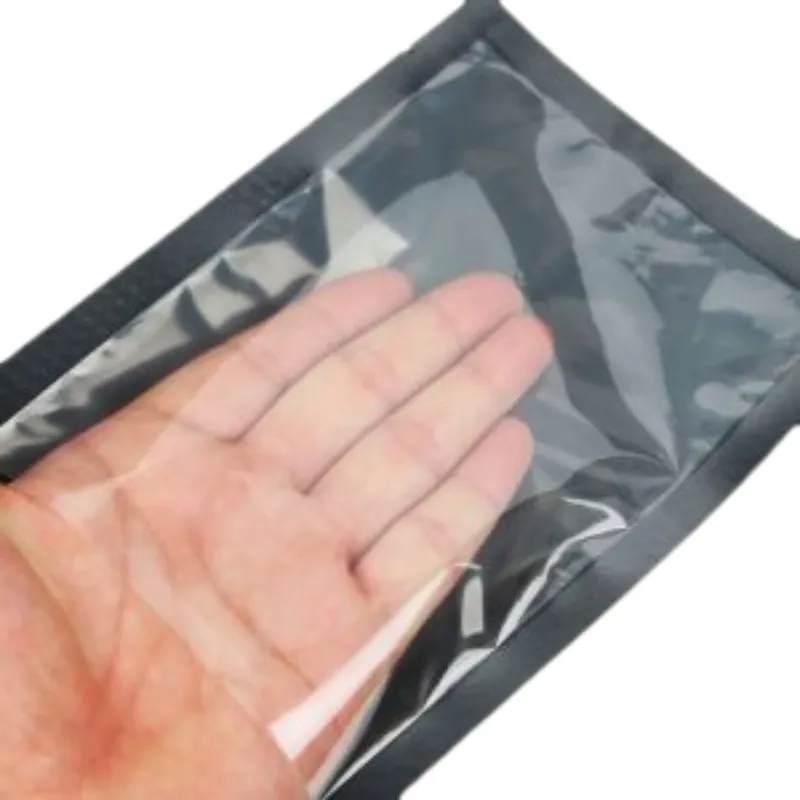
Meat Packaging Plastic Bags is a key solution in the packaging industry industry, specifically within packaging material and Plastic flexible packaging. This article explores how Hebei Junlan Packaging Technology Co., LTD. supports professionals with durable, high-performance products, and explains why this product is an ideal choice for businesses in these sectors.

Table of Contents
For protein processors and private-label brands, meat packaging must protect flavor, extend shelf life, and move smoothly on high-speed lines. Meat Packaging Plastic Bags are engineered flexible pouches and films—vacuum pouches, shrink bags, thermoforming webs, retort/sous-vide pouches—designed to provide oxygen and moisture barriers, excellent seal integrity, and puncture resistance against bone or sharp cuts. Typical structures include PA/PE and PET/PE for vacuum applications; EVOH-barrier laminates for extended shelf life; and high-temperature retort films for cooked meats. Common thickness ranges from 60–200 microns, with target OTR and WVTR values designed to support fresh, frozen, and cooked formats (e.g., low-OTR barrier for cured or cooked meats). Heat resistance can span from deep-freeze performance to sous-vide or retort processing, depending on film selection.
- Relevance: These bags safeguard product quality, reduce drip loss, preserve color, and help brands meet consumer expectations for freshness and convenience across the packaging industry, packaging material, and Plastic flexible packaging segments.
- Technical note: Options include anti-fog clarity for display, bone-guard layers, easy-open notches, and printing up to 10 colors for brand impact. Compatibility extends to VFFS/HFFS, chamber vacuum, and thermoform-fill-seal lines.
- Manufacturer: Hebei Junlan Packaging Technology Co., LTD. provides consistent, high-barrier constructions and tailored pouch formats, supported by strict quality control and application engineering. Explore details here: Cooked Meat Packaging Bag.
From fresh-cut beef and pork to cured, cooked, and frozen SKUs, flexible bags protect proteins through distribution while enhancing shelf appeal. Use cases include vacuum-packed fresh cuts, marinated portions, chubs, and IQF poultry. Specialized formats support sous-vide cuisine—think a robust sous vide steak plastic bag or turkey sous vide bags that withstand elevated temperatures—while low-OTR barrier laminates are ideal for beef jerky packaging bags. For cold-chain logistics, rugged bags for frozen food packaging maintain seal integrity and resist brittleness at sub-zero temperatures.
- Features: High oxygen/moisture barrier, strong puncture resistance, reliable hot-tack seals, anti-fog clarity, and options like zippers, tear notches, or hang holes to improve retail readiness and consumer convenience.
- Competitive advantages: Consistent COF for stable machine performance, custom print and sizing, and tailored barrier levels to match product water activity and distribution conditions.
- Partner capability: Hebei Junlan Packaging Technology Co., LTD. brings formulation flexibility and application support—line trials, material recommendations, and rapid sampling—to help meat processors scale efficiently.
Cost, Maintenance & User Experience
Total cost of ownership extends beyond film price per kilo. With the right Meat Packaging Plastic Bags, processors cut product waste, improve yield via reduced purge, and minimize rework from leakers. Barrier optimization helps extend shelf life, supporting fewer markdowns and better case fill. Downgauged yet durable films can reduce material consumption, freight weight, and storage footprint—advantages that add up across high-volume SKUs. On the line, stable COF and robust hot-tack minimize jams and seal failures, lifting OEE and labor productivity.
- Durability & ROI: Puncture-resistant, bone-guarded structures lower the risk of returns and waste. Many customers in the packaging material sector report smoother runs after dialing in seal temperature/pressure settings with Junlan’s technical guidance.
- User experience: Clear print, anti-fog optics, and easy-open features improve brand perception and consumer satisfaction. Recommended practices include storing rolls/pouches in controlled humidity, verifying seal integrity with routine burst/dye tests, and validating retort/sous-vide parameters per product spec.
Sustainability & Market Trends in packaging industry
Sustainability in protein packaging is accelerating through design-for-recycling, downgauging, and smarter barrier selection. As EPR legislation, extended recyclability guidelines, and packaging taxes evolve, brands seek mono-material PE- or PP-based structures where feasible, increased PCR content, and solvent-minimized converting. At the same time, growth in ready-to-cook and sous-vide categories raises the bar for high-temperature capable materials that still reduce environmental impact. Digital and high-impact printing help right-size inventories and reduce obsolescence as SKU counts proliferate.
- Eco-forward approach: Hebei Junlan Packaging Technology Co., LTD. collaborates on recyclable and downgauged options, PCR-enabled structures where appropriate, and inks/adhesives aligned with food-contact standards. The goal is to balance barrier, machinability, and sustainability.
- Future-ready: With ongoing R&D and application support, Junlan helps B2B decision makers navigate regulatory change, optimize pack weight, and validate new materials without compromising performance in cold chain, sous-vide, or retort environments.
Conclusion on Meat Packaging Plastic Bags from Hebei Junlan Packaging Technology Co., LTD.
In the packaging industry’s Plastic flexible packaging segment, Meat Packaging Plastic Bags protect product quality, extend shelf life, and deliver line efficiency—across fresh, cooked, frozen, and dehydrated meat applications. Hebei Junlan Packaging Technology Co., LTD. stands out for dependable barrier films, precise converting, and practical support that accelerates commercialization. Ready to optimize your meat packaging portfolio?