A Practical Insider’s Take on the Packaging Bag of Pickled Seasoning
If you work with fermented flavors or dry brine blends, you’ve likely noticed the quiet revolution in flexible packaging. The
Packaging Bag Of Pickled Vegetables Seasoning taps right into that shift—better barrier, faster filling, fewer headaches on the line. Origin-wise, it’s built where a lot of China’s modern packaging tech is consolidating: Xiongxian Economic Development Zone (East Zone), Xiongan New Area, Hebei Province.
To be honest, the location matters; supply chains there are surprisingly tight.
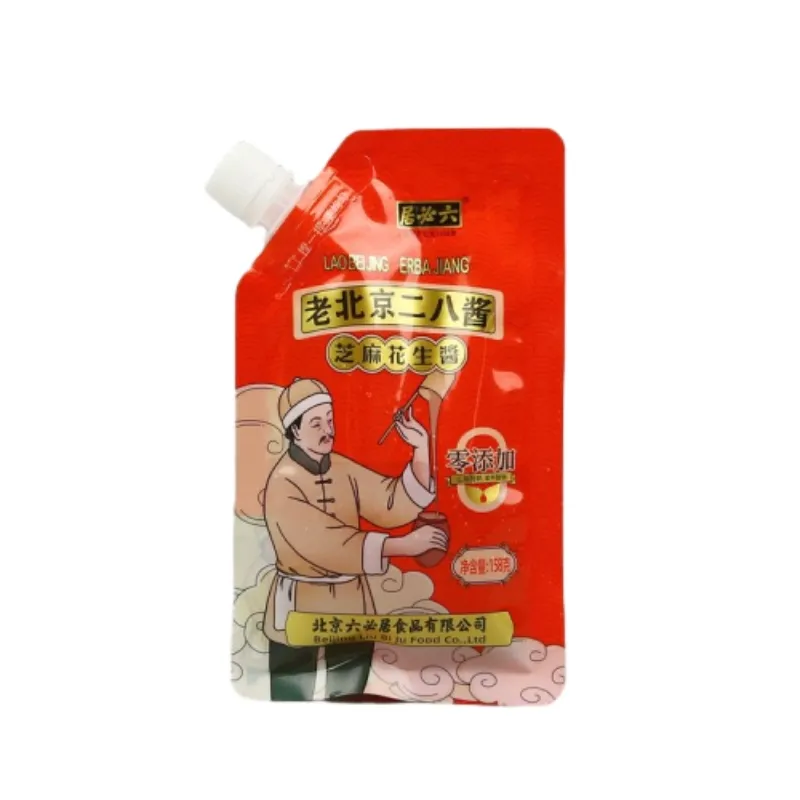
What’s trending (and why it matters)
Short runs, bold flavors, clean labels—that’s the mood. Brands want printable surfaces for storytelling, plus barrier performance that keeps acids, oils, and volatile aromatics in check. There’s also a nudge toward recyclable mono-material films and lower-sodium spice blends. I guess the short version: performance first, planet close second, costs under the microscope.
Key specs at a glance
| Structure |
PET/AL/LLDPE or PET/NY/PE; mono-PE option ≈ 90–120 μm |
| OTR (23°C, 0% RH) |
≈ ≤2 cc/m²·day (ASTM D3985), real-world use may vary |
| WVTR (38°C, 90% RH) |
≈ ≤1.0 g/m²·day (ASTM F1249) |
| Sealing |
Heat-seal 120–160°C; zipper/tear-notch optional; burst ≥ 0.8 MPa (ASTM F88) |
| Printing |
Rotogravure up to 10 colors; low-solvent or solventless lamination |
| Shelf life |
Up to 18–24 months sealed; 5–35°C; RH ≤65% (typical) |
| Compliance |
GB 4806, FDA 21 CFR 177.1520 (PE), BRCGS Packaging, ISO 22000-ready |
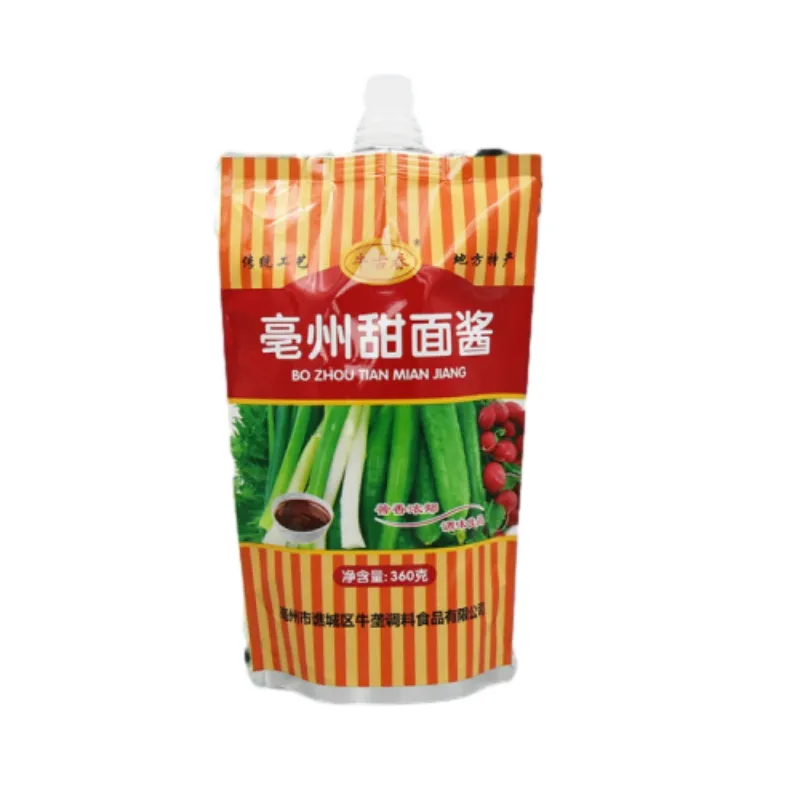
Process flow (how it’s made)
Materials: food-contact PET/NY/AL/LLDPE or mono-PE films. Methods: gravure printing → aging → solventless lamination → curing → slitting → pouch making (stand-up/3-side/quad-seal) → QC. Testing: OTR/WVTR (ASTM D3985/F1249), seal strength (ASTM F88), migration (GB 4806), drop/stack tests for logistics. Industries: condiments, pickled veg kits, meal kits, HORECA bulk.
Where it’s used (and why customers stick with it)
- Dry pickling blends (salt + spices + acids) for retail sachets or stand-up pouches.
- Restaurant prep packs—portion control reduces waste; chefs like the easy tear.
- Cross-border e‑commerce: lighter parcels, fewer breakages than glass.
Many customers say aroma retention is the clincher. For spicy sour mixes, that’s everything. Also, the Packaging Bag Of Pickled Vegetables Seasoning format tends to run cleanly on most vertical form-fill-seal (VFFS) lines.
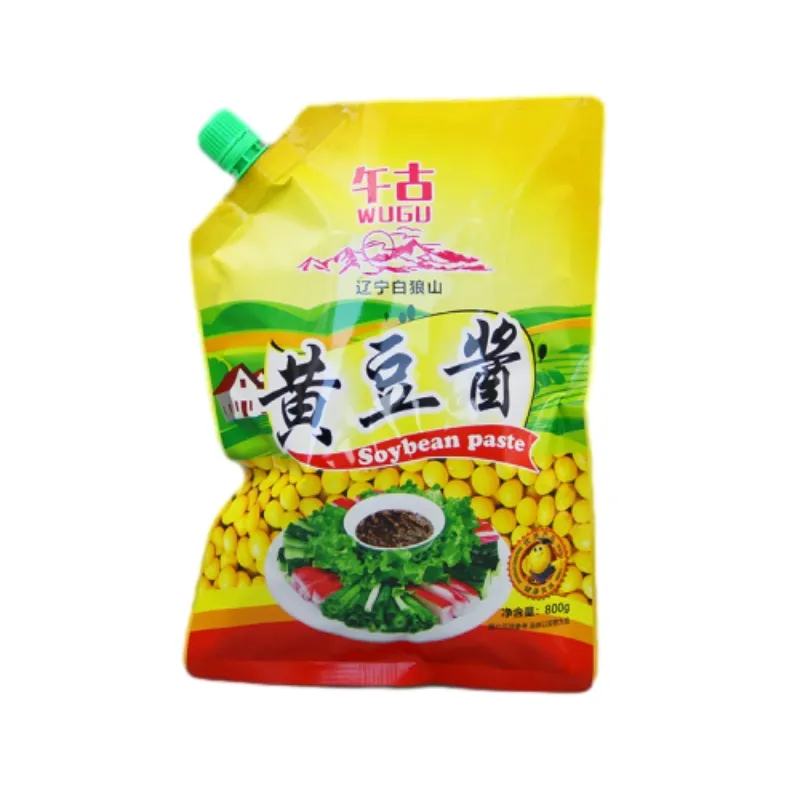
Vendor comparison (quick reality check)
| Vendor |
Certs |
Lead Time |
MOQ |
Notes |
| Junlan (Xiongan) |
BRCGS, ISO 9001/22000 (as applicable) |
≈ 12–20 days |
≈ 10,000–30,000 |
Stable barrier data; responsive prepress |
| Generic Factory A |
ISO 9001 |
≈ 20–30 days |
≥ 30,000 |
Limited mono-PE options |
| Trading Vendor B |
Varies |
≈ 25–40 days |
Varies |
Good sourcing, less line control |
Customization and real-world cases
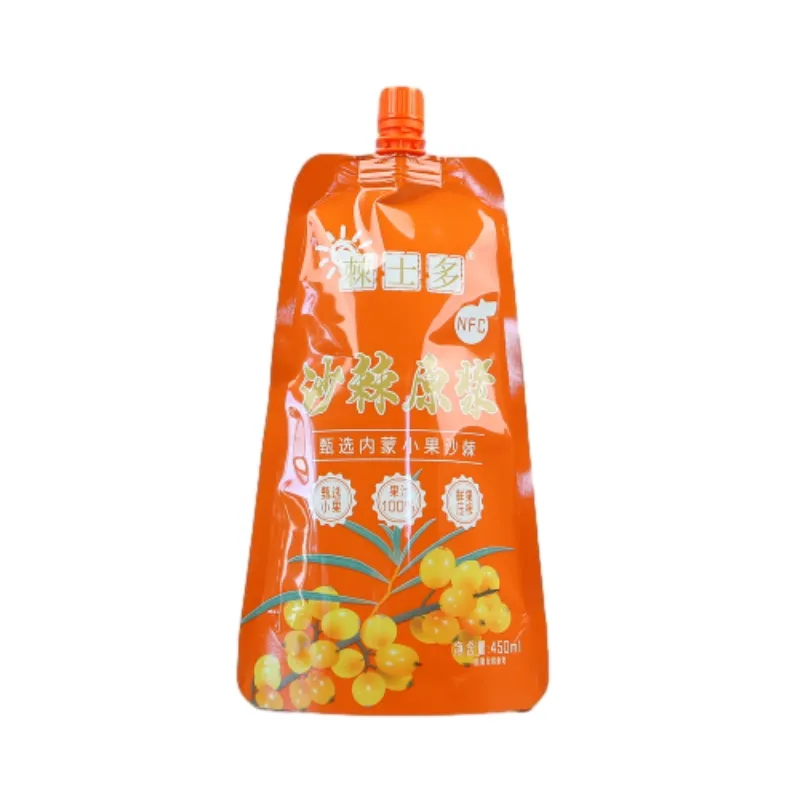
Shapes: stand-up with zipper, 3-side sachets, spouts for liquid brines. Finishes: matte/gloss, window, anti-static for fine powders. A spice brand in Southeast Asia switched to the Packaging Bag Of Pickled Vegetables Seasoning format and reported ≈22% fewer moisture complaints. Another EU co-packer shaved 8% freight by moving from jars to quad-seal pouches—small change, big volumes.
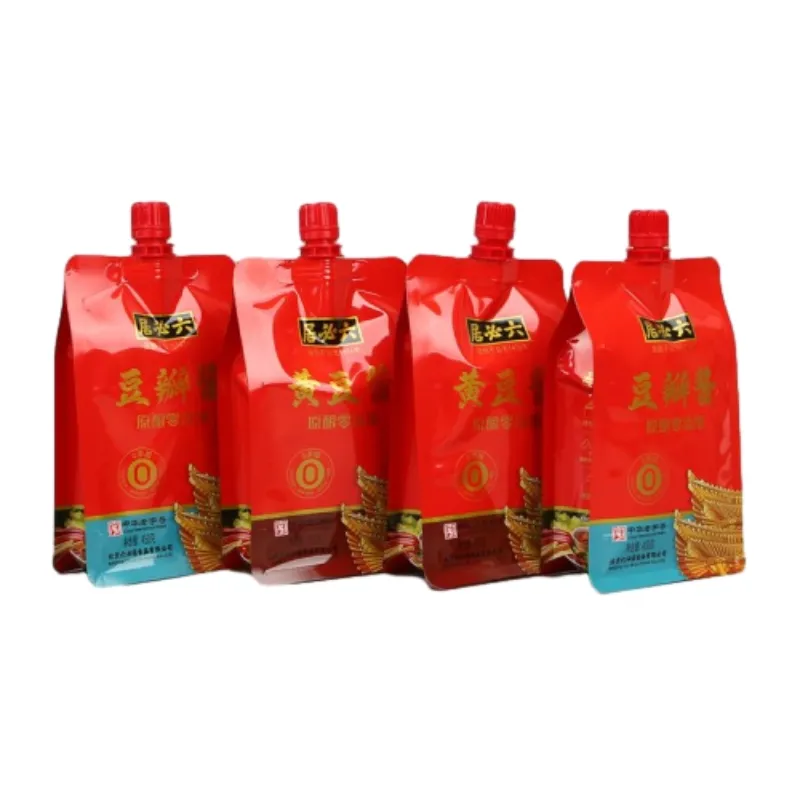
Compliance, testing, and data points
Typical lots are checked for OTR/WVTR, seal integrity, and specific migration per GB 4806. Printing solvents are monitored; low-odor specs are available. For North America, PE resins align with FDA 21 CFR 177.1520; for EU, migration testing references overall and specific limits (ask for CoC). Store cool and dry; avoid UV to maintain shelf performance.
Sources and standards:
- ASTM F1249 – Water Vapor Transmission Rate of Plastic Films.
- ASTM D3985 – Oxygen Gas Transmission Rate Through Plastic Film.
- ASTM F88 – Seal Strength of Flexible Barrier Materials.
- FDA 21 CFR 177.1520 – Olefin polymers (PE) for food contact.
- GB 4806 (China) – Food contact materials and articles.
- BRCGS Global Standard for Packaging Materials; ISO 22000 Food Safety Management.

